
- Understanding What Drives Pool Cost
- Deconstructing the Initial Pool Cost
- Understanding Ongoing Pool Cost
- Strategies for Managing Pool Cost
- The Unquantifiable Value of Pool Ownership
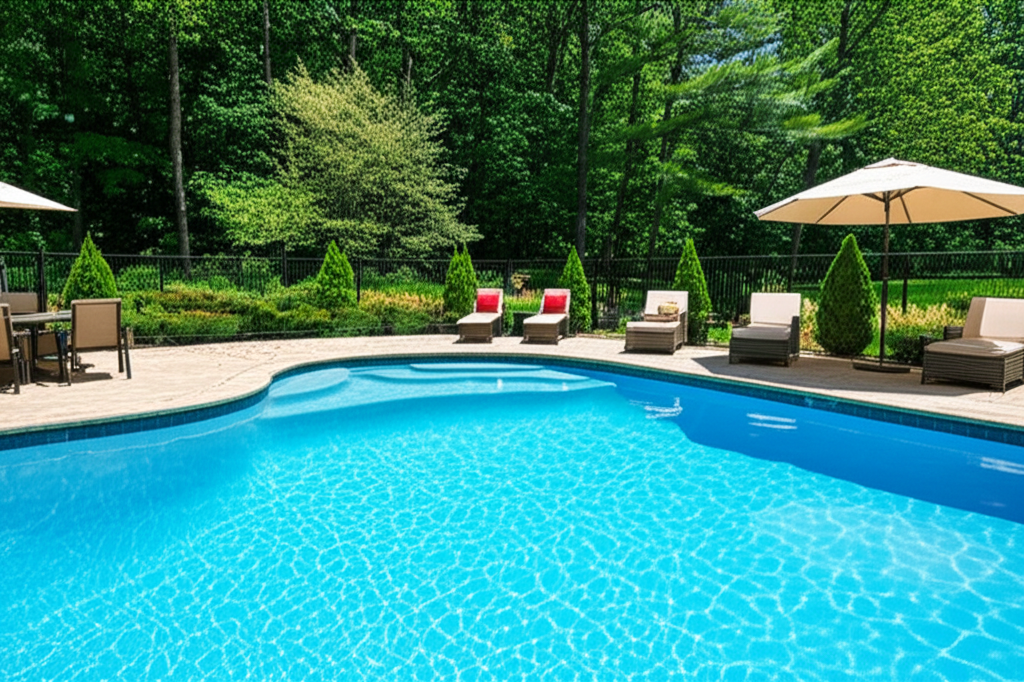
Pool cost can feel like a daunting prospect for many homeowners, conjuring images of exorbitant expenses and endless upkeep. However, the dream of having a private oasis, a refreshing escape just steps from your back door, is often far more accessible and achievable than you might imagine. With careful planning, smart choices, and a clear understanding of the various factors involved, the luxury of pool ownership truly can become an affordable reality.
Understanding What Drives Pool Cost
To truly gauge the affordability of a pool, it’s essential to understand the multifaceted components that contribute to its overall expense. Several primary factors dictate the initial investment and subsequent running costs:
1. Type of Pool: This is perhaps the most significant determinant.
Above-Ground Pools: These are the most budget-friendly, ranging from a few thousand dollars up to $10,000 or more for larger, more robust models.
In-Ground Pools: These offer greater durability and aesthetic appeal but come with a higher price tag. Within this category, there are further distinctions:
Vinyl Liner Pools: Generally the least expensive in-ground option, with costs typically ranging from $25,000 to $45,000.
Fiberglass Pools: Pre-manufactured shells that are delivered and installed, often falling into the $30,000 to $60,000 bracket.
Concrete/Gunite Pools: The most customizable and durable, often starting at $50,000 and easily exceeding $100,000 for elaborate designs.
2. Size and Depth: Naturally, a larger and deeper pool requires more materials, excavation, and water, directly increasing the cost.
3. Materials and Finishes: For in-ground pools, choices like custom tiling, stone coping, or specialized interior finishes can significantly impact the final price.
4. Location and Site Preparation: Accessibility for excavation equipment, soil conditions, and the need for grading or retaining walls can add unexpected expenses. Local permit fees also vary widely.
5. Features and Enhancements: Water features (waterfalls, jets), lighting (LED, fiber optic), heating systems (solar, electric, gas), automatic covers, sanitation systems (saltwater chlorinators), integrated spas, and high-end decking materials all contribute to the overall expenditure.
Deconstructing the Initial Pool Cost
The initial outlay for a new pool encompasses more than just the purchase of the pool structure itself. When calculating your upfront pool cost, consider these elements:
Permits and Inspections: Local regulations require permits, and inspections ensure safety and compliance. These fees are mandatory.
Excavation and Site Work: For in-ground pools, this involves digging out the area for the pool and potentially moving significant amounts of soil.
Plumbing and Electrical Work: Installing the necessary circulation, filtration, and heating systems, as well as providing power for pumps, lights, and any automated features.
Decking and Landscaping: The area around your pool is crucial for aesthetics and functionality. Options range from basic concrete to elaborate pavers, natural stone, or composite decking.
Equipment Package: This includes the pump, filter, and often basic cleaning tools and covers. Higher-end, more energy-efficient equipment will cost more upfront but can save money on utilities long term.
Fill Water: Depending on your source, filling a new pool can be a notable expense.
For instance, a simple 18-foot round above-ground pool might have an initial total cost (pool, installation, basic equipment) from $3,000 to $8,000. A standard 15×30-foot vinyl liner in-ground pool could range from $35,000 to $50,000 fully installed with basic decking. Concrete pools, due to their customization and labor intensity, are typically at the higher end, often starting around $60,000 and easily reaching $100,000+ for complex designs.
Understanding Ongoing Pool Cost
Beyond the initial investment, an often-overlooked aspect is the recurring pool cost associated with ownership. These operational expenses are vital to factor into your budget:
Maintenance: This includes chemicals (chlorine, pH adjusters, algaecides), testing supplies, and cleaning tools. If you opt for professional pool service, expect to pay anywhere from $100 to $200 per month, depending on your location and pool size.
Utilities:
Electricity: Powering the pump, filter, and potentially a heater or lights. Variable-speed pumps can significantly reduce energy consumption compared to single-speed models.
Water: Evaporation, splash-out, and backwashing the filter mean your pool will require regular refilling.
Heating Fuel: If you have a gas or electric heater, this can be a substantial monthly expense, particularly in cooler climates or for extended swimming seasons. Solar heaters offer a more eco-friendly, lower-cost alternative.
Repairs and Replacements: Like any major appliance, pool equipment has a lifespan. Pumps, filters, and heaters will eventually need repair or replacement. Vinyl liners typically last 7-15 years, requiring replacement at a cost of several thousand dollars. Concrete pools may need resurfacing every 10-20 years.
Winterization and Opening (for seasonal pools): If you live in a climate where pools are closed for the winter, you’ll incur costs for professional winterization and spring opening services, typically $200-$500 per instance.
Insurance: Your homeowner’s insurance policy may increase due to the added liability of a pool.
On average, homeowners can expect to spend approximately $100-$300 per month on ongoing pool maintenance and utility costs, though this can fluctuate significantly based on pool size, type, usage, and local utility rates.
Strategies for Managing Pool Cost
Making pool ownership an affordable luxury involves proactive planning and smart decisions:
1. Prioritize Needs vs. Wants: Decide on essential features before splurging on extras. You can always add features like water jets or elaborate lighting later.
2. Choose the Right Pool Type: An above-ground, vinyl liner, or modest fiberglass pool can provide years of enjoyment without the premium price tag of a complex concrete design.
3. Embrace Energy Efficiency: Invest in a variable-speed pump, a high-efficiency filter, and consider a solar cover or even a solar heating system to reduce utility bills.
4. DIY Maintenance: Handling basic cleaning, chemical balancing, and filter backwashing yourself can save hundreds of dollars annually in professional service fees.
5. Get Multiple Quotes: Don’t settle for the first estimate. Contact several reputable pool builders and thoroughly compare their proposals, including warranties and detailed breakdowns of all costs.
6. Consider Financing Options: Many pool companies offer financing plans, or you can explore home equity loans or lines of credit to spread the initial investment over time.
The Unquantifiable Value of Pool Ownership
While there’s a definite financial investment involved, the return on that investment often extends far beyond monetary figures. A pool offers:
Unrivaled Entertainment: A hub for family fun, parties, and creating lasting memories.
Stress Relief and Relaxation: A personal sanctuary for unwinding after a long day.
Health and Fitness: A low-impact way to exercise, swim laps, or simply cool off.
Staycation Spot: The ultimate amenity that transforms your backyard into a permanent vacation destination, saving on travel costs in the long run.
Potential Home Value Increase: While not guaranteed to fully recoup the investment, a well-maintained pool can enhance your property’s appeal and market value, especially in warmer climates.
Ultimately, achieving “affordable luxury” with a pool is about aligning your desires with your budget and making informed choices at every step. By understanding the initial build costs and the ongoing expenses, diligently planning, and exploring cost-saving strategies, the dream of having your own backyard paradise can become a refreshing and rewarding reality.