- What is Pool Backwashing?
- Why Pool Backwashing is Crucial for Water Quality
- When to Backwash Your Pool Filter
- How to Perform Pool Backwashing: A Step-by-Step Guide
- Common Backwashing Mistakes to Avoid
- Beyond Pool Backwashing: Comprehensive Filter Maintenance
Pool backwashing is a fundamental aspect of maintaining a healthy, sparkling swimming pool. It’s an essential process that cleans your filter, ensuring it continues to efficiently remove impurities from your water. Far from being a complex chore, regular backwashing is a straightforward task that plays a critical role in overall water quality, equipment longevity, and the enjoyment of your aquatic oasis. Understanding this vital procedure is key to effortless pool care.
What is Pool Backwashing?
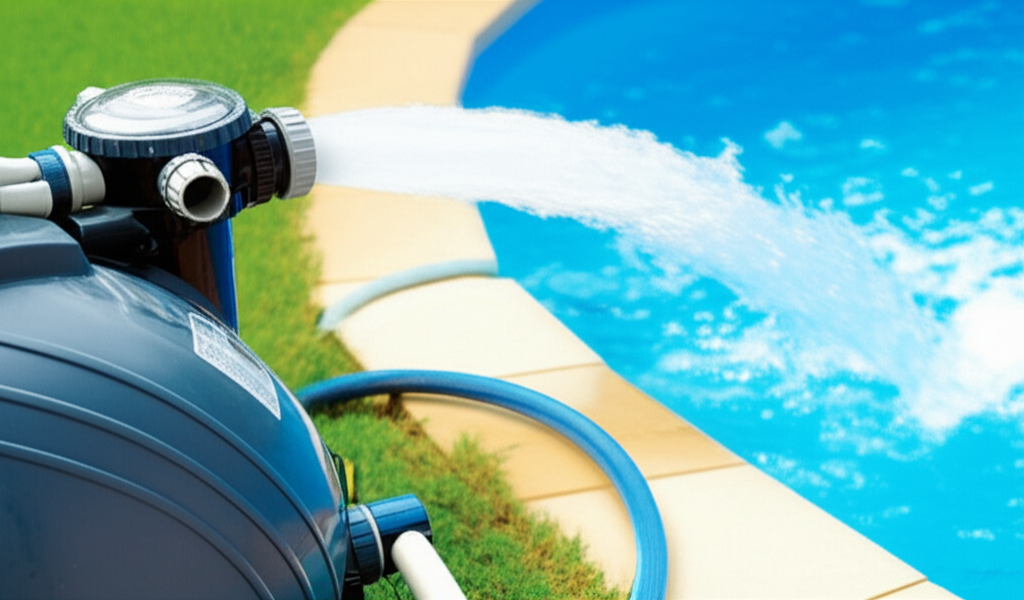
At its core, backwashing is the process of reversing the flow of water through your pool filter. Over time, your filter—whether it’s a sand filter or a diatomaceous earth (D.E.) filter—accumulates dirt, debris, and microscopic particles. This buildup clogs the filter media, reducing its effectiveness and increasing the pressure inside the filter tank. Backwashing forcefully flushes this accumulated debris out of the filter and drains it away, typically into a waste line, sewer, or designated disposal area. This “recharging” process restores your filter’s ability to capture new contaminants, bringing it back to optimal operating condition.
Why Pool Backwashing is Crucial for Water Quality
Neglecting to backwash your pool filter can lead to a cascade of problems that affect both your pool’s appearance and its operational health. Here’s why it’s non-negotiable:
Maintains Filtration Efficiency: A dirty filter can’t effectively trap new particles. Regular backwashing ensures your filter media remains clean and potent, capable of removing even the smallest impurities, which is vital for crystal-clear water.
Prevents Equipment Strain: As debris builds up, the pressure inside your filter increases. Your pump has to work harder to push water through the clogged filter, straining the motor and potentially shortening its lifespan. Backwashing alleviates this pressure, allowing your pump to operate more efficiently.
Ensures Water Clarity and Health: A properly functioning filter is your first line of defense against algae, bacteria, and other contaminants that can turn your water cloudy or, worse, unsanitary. Timely backwashing is a cornerstone of maintaining pristine water quality.
Extends Filter Lifespan: Keeping your filter media clean prevents premature wear and tear. Sand beds can channel, and D.E. grids can become permanently caked if not regularly cleaned, leading to costly replacements down the line.
Optimized Chemical Usage: When your filter is working efficiently, your pool chemicals (like chlorine) can do their job more effectively. A dirty filter often means you’ll need to use more chemicals to compensate for poor filtration, resulting in higher operational costs.
When to Backwash Your Pool Filter
Knowing when to backwash is as important as knowing how. The most reliable indicator is your filter’s pressure gauge:
Pressure Gauge Reading: Note the `clean` operating pressure of your filter (the pressure reading shortly after a fresh backwash or installation). You should backwash when the pressure gauge reads 8-10 PSI (pounds per square inch) higher than this clean pressure. Some manufacturers recommend 5-10 PSI, so check your specific filter’s manual.
Reduced Water Flow: If you notice a significant decrease in the water flow returning to your pool jets, it’s a strong sign that your filter is becoming clogged and needs cleaning.
Visible Cloudy Water: Despite proper chemical levels, if your water starts to look hazy or cloudy, it could indicate that your filter isn’t performing its job efficiently due to being laden with debris.
Regular Schedule: Even if the pressure hasn’t risen significantly, many pool owners perform routine backwashing every 1-2 weeks during peak swim season, especially if the pool sees heavy usage or after major debris events (like storms). This proactive approach helps maintain consistent water quality.
How to Perform Pool Backwashing: A Step-by-Step Guide
The backwashing process is generally straightforward, though it varies slightly between sand and D.E. filters. Always consult your specific filter’s manual for precise instructions.
General Steps for Sand and D.E. Filters (with a Multiport Valve):
1. Turn Off the Pool Pump: This is critical! Never change the multiport valve’s setting while the pump is running, as it can damage the valve’s internal gasket.
2. Move the Multiport Valve Handle to “BACKWASH”: Firmly press down and rotate the handle to align the indicator with the “BACKWASH” setting.
3. Ensure Waste Line is Open: Confirm your waste line or hose is properly positioned to discharge water safely.
4. Turn On the Pool Pump: Restore power to the pump.
5. Monitor the Sight Glass: Most multiport valves have a clear sight glass. Initially, you’ll see dirty, discolored water flowing through it. Continue backwashing until the water in the sight glass runs clear (typically 2-3 minutes).
6. Turn Off the Pool Pump: Once the water is clear, turn off the pump again.
7. Move the Multiport Valve Handle to “RINSE” (if applicable): This step is crucial for sand filters and highly recommended for D.E. filters. It settles the filter media and prevents any remaining dirty water from returning to your pool.
8. Turn On the Pool Pump: Run the pump on “RINSE” for 30-60 seconds, or until the water in the sight glass runs clear again.
9. Turn Off the Pool Pump: Power down the pump.
10. Move the Multiport Valve Handle to “FILTER”: Firmly set the valve back to its normal operating position.
11. Turn On the Pool Pump: Resume normal filtration.
12. For D.E. Filters Only: After backwashing and rinsing, you MUST recharge your filter with new D.E. powder. Mix the appropriate amount of D.E. (consult your filter manual) with water in a bucket to form a slurry, then slowly pour it into the skimmer closest to the pump. This will coat the grids and enable filtration.
Important Note for Cartridge Filters: Cartridge filters are not backwashed. Instead, the cartridges are physically removed from the filter housing and rinsed with a garden hose. Periodically, they require soaking in a specialized filter cleaner.
Common Backwashing Mistakes to Avoid
Not Turning Off the Pump: As mentioned, changing valve settings with the pump running is a quick way to damage your expensive multiport valve.
Backwashing Too Often: While important, excessive backwashing can actually be detrimental for sand filters as it can disturb the sand bed and lead to less efficient filtration. For D.E. filters, it means frequently adding new powder. Stick to the pressure gauge as your primary guide.
Not Backwashing Enough: Allowing pressure to build too high will strain your equipment and severely compromise water quality.
Forgetting to Rinse: Skipping the rinse cycle, particularly with sand filters, can result in a slug of dirty water being pushed back into your clean pool when you revert to filter mode.
Neglecting D.E. Powder for D.E. Filters: If you have a D.E. filter and don’t add fresh D.E. powder after backwashing, your filter will not work effectively, and you risk damaging the grids.
Not Knowing Your Clean Pressure: Without knowing your baseline clean pressure, you can’t accurately determine when backwashing is needed. Make a note of it after your next backwash.
Beyond Pool Backwashing: Comprehensive Filter Maintenance
While pool backwashing is a primary form of filter maintenance, it’s part of a larger picture. For all filter types, consider these additional steps:
Chemical Cleaning: Periodically, filter media (sand, D.E. grids, or cartridge elements) should be chemically cleaned to remove oils, scale, and other embedded debris that backwashing alone can’t dislodge. This is typically done annually or semi-annually.
Media Replacement: Sand filter media should be replaced every 5-7 years (sometimes longer), and D.E. grids or cartridge elements eventually wear out and require replacement.
Regular Inspections: Periodically check your filter housing, O-rings, and pressure gauge for any signs of leaks or damage.
By incorporating regular pool backwashing into your routine, along with these broader filter maintenance practices, you’ll ensure your filtration system operates at peak performance, providing you with consistently clear, clean, and inviting swimming water all season long. It’s a small effort with significant payoffs for your pool’s health and your enjoyment.