- Why Your Pool Pump Deserves Attention
- Routine Pool Pump Care: The Basics of Efficiency
- Pump Basket Cleaning
- Inspecting for Leaks
- Monitoring Pump Performance
- Seasonal and Deeper Pool Pump Care
- Lubricating O-rings
- Checking the Impeller
- Motor Inspection
- Winterization (for cold climates)
- Troubleshooting Common Pump Issues
- When to Call a Professional
- Conclusion
Pool pump care is paramount for maintaining a sparkling clean and healthy swimming pool. As the heart of your pool’s circulation system, the pump works tirelessly to move water through the filter, heater, and sanitization systems. Neglecting its upkeep can lead to costly repairs, inefficient operation, and, ultimately, a murky, unpleasant pool environment. This ultimate guide will walk you through the essential steps for effortless pool pump maintenance, helping you extend its lifespan, reduce energy consumption, and enjoy crystal-clear water all season long.
Why Your Pool Pump Deserves Attention
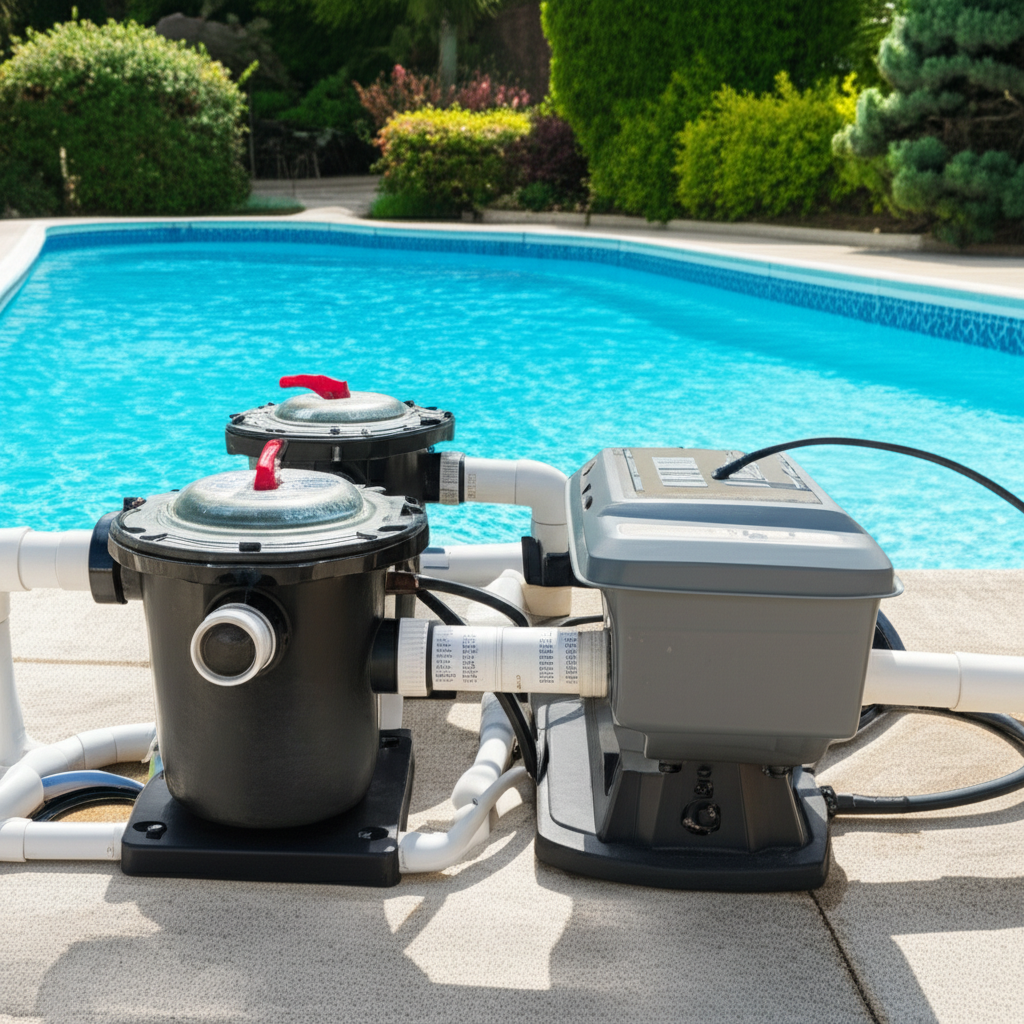
The pool pump’s primary role is to create a continuous flow of water. This circulation is vital for several reasons: it distributes chemicals evenly, prevents stagnant water where algae and bacteria thrive, and most importantly, pushes debris-laden water through your pool’s filter. A well-maintained pump ensures consistent water flow, allowing your filter to capture impurities effectively and your sanitizer to work optimally. Conversely, a struggling pump can lead to poor water quality, increased chemical usage, and a significant hike in your electricity bill.
Understanding the main components of your pump helps in better maintenance:
Motor: The electrical component that drives the impeller.
Impeller: A rotating vane that creates suction and pushes water.
Volute: The housing that directs water from the impeller to the plumbing.
Pump Basket (Strainer Basket): A pre-filter that traps large debris before it reaches the impeller.
Routine Pool Pump Care: The Basics of Efficiency
Consistent, routine maintenance is the cornerstone of a healthy pool pump. These simple tasks performed regularly will prevent most common issues.
Pump Basket Cleaning
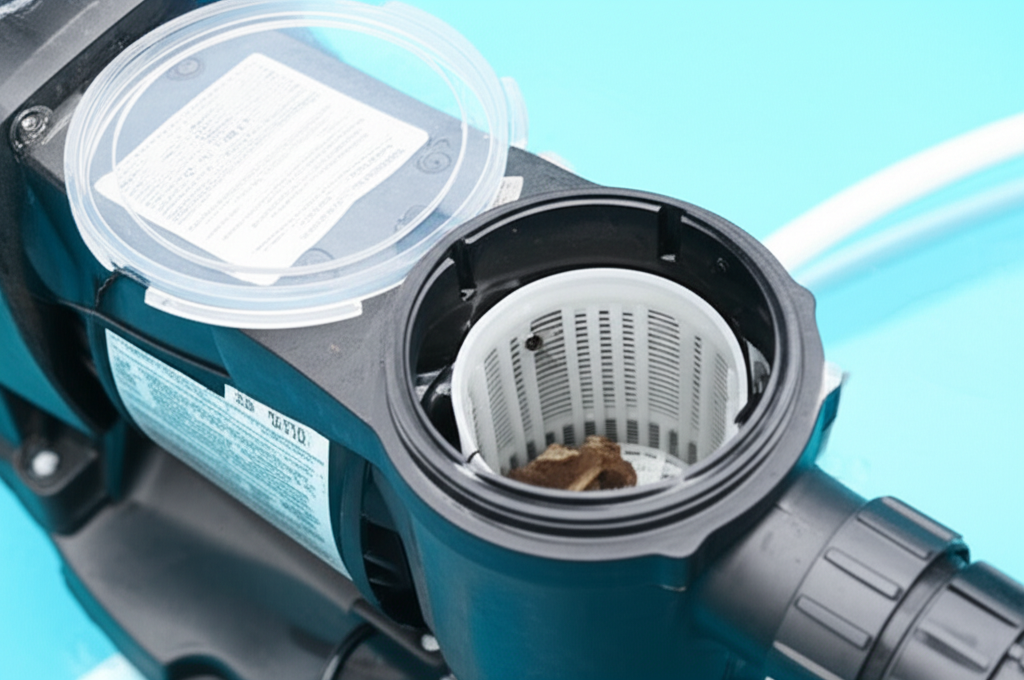
One of the most frequent and crucial tasks in effective pool pump care is pump basket cleaning. The pump basket acts as a front-line defense, catching leaves, twigs, hair, and other large debris before they can reach and potentially damage the pump’s impeller. A clogged basket restricts water flow, forcing your pump to work harder, which wastes energy and shortens its lifespan.
How to Clean Your Pump Basket:
1. Turn Off the Pump: ALWAYS shut off the pump at the breaker to avoid injury and damage to the pump. This is a non-negotiable safety step.
2. Close Valves (Optional but Recommended): If your plumbing has isolation valves before and after the pump, close them to prevent water from flowing back and potentially spilling.
3. Remove the Lid: Unscrew or unlatch the pump lid. Be prepared for a small amount of water to spill.
4. Remove the Basket: Carefully lift out the pump basket.
5. Empty and Rinse: Discard any collected debris from the basket. Use a garden hose to thoroughly rinse out any remaining grime or small particles.
6. Inspect the Basket and O-Ring: Check the basket for cracks or damage. Inspect the pump lid O-ring for dryness, cracks, or flatness. If it looks dry, apply a silicone-based lubricant to keep it supple and ensure a tight seal. Replace damaged O-rings immediately, as a faulty O-ring can cause air leaks.
7. Replace Basket and Lid: Reinsert the clean basket back into the pump housing, ensuring it sits correctly. Replace the lid, tightening it firmly but not excessively to avoid stripping the threads or cracking the lid.
8. Reopen Valves and Prime the Pump: If you closed the valves, open them. Then, turn the pump back on. You might need to add water to the pump housing if it lost prime (i.e., didn’t fill with water) for it to restart properly.
Frequency: Inspect and clean your pump basket at least once a week, and more frequently during periods of heavy use, strong winds, or after storms. You’ll often know it needs cleaning if you see reduced water flow from your return jets or if the pump sounds like it’s struggling. Don’t forget to regularly clean your skimmer baskets, as they also reduce the load on your pump basket.
Inspecting for Leaks
Air leaks or water leaks can severely impact your pump’s efficiency. Air leaks, often invisible bubbles in the pump basket, reduce flow and can cause the pump to lose its prime. Water leaks are more obvious and indicate a failing seal, O-ring, or connection. Regularly check around the pump for drips or wet spots. Tighten connections, and inspect all O-rings and gaskets for wear.
Monitoring Pump Performance
Listen to your pump. It should run with a consistent hum. Any unusual noises like grinding, squealing, or cavitation (a sucking sound) warrant investigation. Also, observe the water flow from your return jets. A noticeably weaker flow could indicate a clog, a priming issue, or a larger problem.
Seasonal and Deeper Pool Pump Care
Beyond routine tasks, some maintenance should be performed less frequently but is equally important.
Lubricating O-rings
The O-rings on your pump lid, drain plugs, and any unions connected to the pump should be lubricated periodically with a silicone-based lubricant. This prevents them from drying out, cracking, and creating air or water leaks. Do this every few months or whenever you notice them becoming stiff.
Checking the Impeller
If your pump basket is clean but you still experience poor flow, the impeller might be clogged. Clearing it is a slightly more involved process:
1. Turn Off the Pump: Again, safety first!
2. Access the Impeller: This usually involves removing the pump motor from the wet end housing. Consult your pump’s manual for specific instructions.
3. Clear Debris: Carefully remove any hair, leaves, or other debris caught in the impeller vanes. A small screwdriver or pick can be useful here.
4. Reassemble: Ensure all gaskets and O-rings are in place and reassemble the pump carefully.
Motor Inspection
Ensure the motor’s ventilation openings are clear of dust, debris, and spiderwebs. Blocked vents can lead to overheating and premature motor failure. If your motor bearings are failing, you’ll often hear a loud grinding or squealing noise, signaling it’s time for professional service or replacement.
Winterization (for cold climates)
Before freezing temperatures hit, it’s crucial to properly winterize your pump. This typically involves draining all water from the pump housing, removing drain plugs, and sometimes even removing the pump entirely and storing it indoors. This prevents water from freezing inside the pump, which can crack the housing or damage internal components.
Troubleshooting Common Pump Issues
Pump Not Priming: This usually means air is getting into the system. Check the water level in the pool, ensure skimmer water is above the opening, check for air leaks at the pump lid O-ring, drain plugs, and pipe connections. Make sure the pump basket lid is tight.
Motor Overheating/Shutting Off: Check for blocked ventilation, a clogged impeller, or low voltage. If the fan isn’t spinning freely, debris might be caught.
* Unusual Noises: Grinding generally indicates failing bearings, while a banging or rattling sound could be debris hitting the impeller. A high-pitched whine or sucking sound can be cavitation due to restricted water flow.
When to Call a Professional
While much of pool pump care can be DIY, some issues are best left to licensed professionals. These include electrical problems, persistent leaks you can’t identify or resolve, major motor issues (like burnt out windings), or if you’re uncomfortable performing a more complex repair. A professional can diagnose problems accurately and ensure repairs are done safely and correctly.
Conclusion
Consistent pool pump care is not just about keeping your pool clean; it’s about protecting a significant investment. By diligently performing routine tasks like pump basket cleaning, checking for leaks, and monitoring its performance, you can prevent most common problems, improve efficiency, extend the life of your equipment, and ensure that your pool remains a source of joy and relaxation. Proactive maintenance truly saves you money, time, and hassle in the long run, allowing you to enjoy crystal-clear water with minimal effort.