Fiberglass Pool: Stunning Gelcoat Care, Effortless
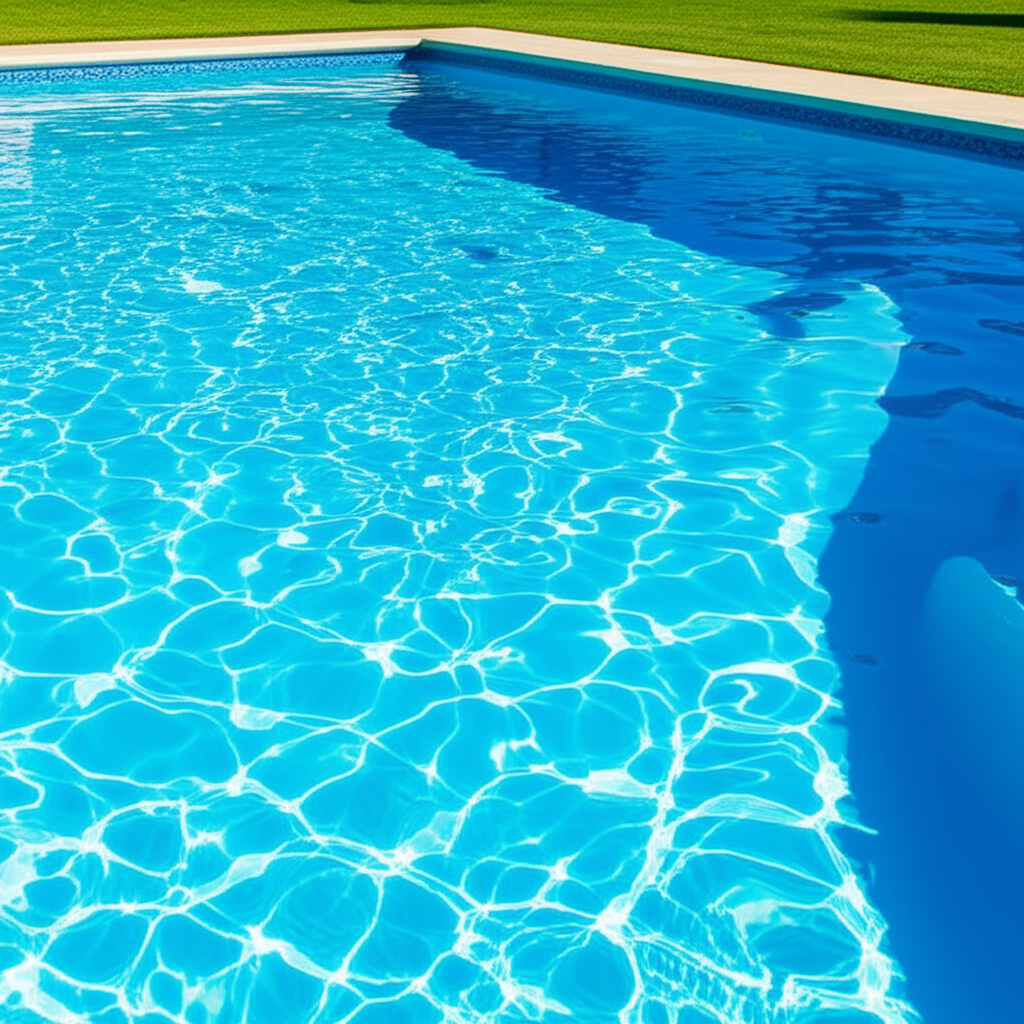
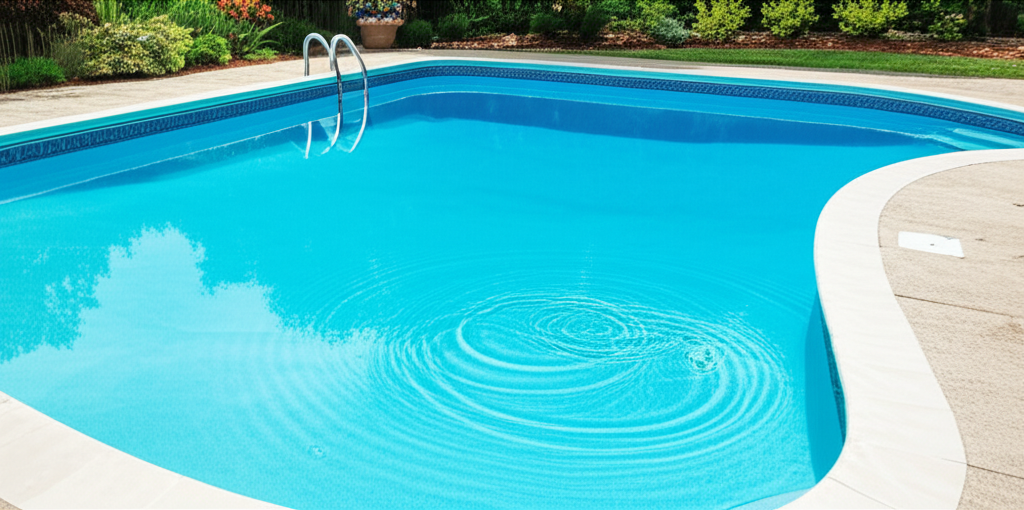
Fiberglass pools are renowned for their smooth, luxurious surface and exceptional durability, largely thanks to their pristine gelcoat finish. This outer layer isn’t just for aesthetics; it’s a vital protective barrier, shielding the structural integrity of your pool from UV rays, chemicals, and everyday wear. Maintaining this factory-applied sheen is far simpler and more rewarding than many imagine. With a consistent, effortless approach to gelcoat care, you can ensure your fiberglass pool remains a stunning centerpiece in your backyard for decades, reflecting clear blue skies and inviting you to dive in.
Understanding Your Fiberglass Pool’s Gelcoat
Before diving into care routines, it’s helpful to understand what gelcoat is and why it’s so important. The gelcoat is the colored, outermost layer of a fiberglass pool shell. Applied during the manufacturing process, it’s a high-performance polyester or vinyl ester resin that provides a smooth, non-porous, and chemical-resistant surface. This makes fiberglass pools naturally resistant to algae growth, staining, and osmotic blistering compared to other pool types. Its primary functions are to provide a beautiful, vibrant color, a smooth tactile experience, and robust protection for the underlying fiberglass layers. Over time, factors like unbalanced water chemistry, excessive UV exposure, abrasion, and harsh cleaners can dull or damage the gelcoat, diminishing its protective qualities and aesthetic appeal.
Essential Daily and Weekly Fiberglass Pool Gelcoat Care
The foundation of effortless gelcoat care lies in routine maintenance, particularly intelligent water chemistry management. Keeping your pool’s chemistry balanced is paramount.
pH Levels: Aim for a pH between 7.4 and 7.6. High pH can lead to calcium scaling on the gelcoat, while low pH can make the water corrosive.
Alkalinity: Maintain total alkalinity between 80-120 ppm to buffer pH fluctuations.
Calcium Hardness: Keep calcium hardness between 180-220 ppm. Water that is too soft will try to draw calcium from the gelcoat, potentially damaging it.
Sanitizer Levels: Consistent, appropriate levels of chlorine (1-3 ppm for free chlorine) or other sanitizers ensure a clean pool without overwhelming the gelcoat.
Beyond chemistry, physical cleaning is straightforward. Regularly skim debris from the surface and empty skimmer baskets to prevent organic matter from decaying and potentially staining the gelcoat. Use a robotic cleaner designed for fiberglass pools or manually vacuum with a soft-bristled brush head to remove settled dirt and fine particles from the pool floor. Regularly brush the pool walls and steps with a soft nylon pool brush, especially in areas with lower circulation, to prevent the buildup of film or algae. This routine, often requiring less than an hour a week, makes a significant difference in preserving your gelcoat’s luster.
Deep Cleaning and Preventing Stains on Your Pool’s Surface
Even with diligent weekly care, stains can occasionally appear. Addressing them promptly is key to effortless removal. For general cleaning or light stains, a soft sponge or cloth with a mild, non-abrasive cleaner (like diluted white vinegar or baking soda paste) can work wonders. Always test any cleaner on an inconspicuous area first. For more stubborn areas, such as waterline scum, specialized fiberglass pool cleaners are available. These products are formulated to be tough on stains but gentle on the gelcoat. Avoid abrasive scrubbers, harsh household detergents, or metal brushes, as these can scratch or damage the delicate gelcoat surface.
Prevention is always better than cure. To prevent stains:
Remove Debris Promptly: Don’t let leaves, acorns, or other organic matter sit on the pool surface for extended periods, as they can leach tannins and cause discoloration.
Address Metal Objects: Never leave metal objects (hairpins, coins, toys) in direct contact with the gelcoat, as they can cause rust or metallic stains.
Filter Water: Ensure your pool filter is clean and efficient to remove suspended particles that could settle and stain.
Use a Pool Cover: A good pool cover not only helps with heat retention but also keeps debris out, reducing staining potential and UV exposure.
Protecting Your Fiberglass Pool’s Gelcoat from Environmental Damage
The gelcoat’s primary adversaries are UV radiation and improper chemical application. Sunlight, while essential for a pleasant pool environment, can cause fading and chalking (a powdery residue) over many years if not mitigated. While you can’t eliminate the sun, maintaining balanced water chemistry and using a pool cover when not in use can significantly extend your gelcoat’s vibrant life. Some pool owners even opt for marine-grade waxes or sealants specifically designed for fiberglass, which can offer an extra layer of UV protection and enhance shine.
When adding chemicals, always dilute them according to product instructions and disperse them widely across the pool surface, or add them slowly in front of a return jet. Never dump concentrated chemicals directly onto the gelcoat, as this can cause localized bleaching, etching, or staining. For example, shocking agents dropped in concentrated form can leave permanent marks.
Proper winterization is another critical aspect of environmental protection. In colder climates, ensure your pool is properly closed, with balanced water chemistry and protection against freezing. A winter cover further shields the gelcoat from harsh elements and debris accumulation during the off-season.
Seasonal Fiberglass Pool Gelcoat Maintenance Overview
A seasonal approach ensures comprehensive gelcoat care throughout the year.
Spring Opening: Begin by carefully inspecting the gelcoat for any signs of wear, fading, or staining that may have occurred over winter. Clean the entire pool surface thoroughly, removing any lingering film or debris. Balance your water chemistry meticulously.
Summer: This is primarily about routine daily/weekly care: skimming, brushing, vacuuming, and consistent water chemistry checks. Address any minor issues or stains immediately.
Fall: As leaves begin to drop, increase your skimming and debris removal efforts. Prepare for winterization by ensuring the water is balanced and debris-free before closing.
Winter: For pools in cold climates, proper winterization protects the gelcoat from ice damage and environmental exposure. In warmer climates, continue with a modified routine, perhaps less frequent, but still focused on chemistry and cleanliness.
Why Effortless Care Matters for Your Gelcoat
The appeal of a fiberglass pool lies in its low maintenance nature, and this extends directly to its gelcoat. By adopting these straightforward, consistent care practices, you’re not just preserving the beauty of your pool; you’re protecting a significant investment. A well-maintained gelcoat prevents costly repairs, maintains the pool’s structural integrity, and ensures a continually inviting and hygienic swimming environment. The “effortless” aspect comes from consistency – small, regular actions prevent larger, more difficult problems, allowing you more time to simply enjoy your stunning pool.
In conclusion, caring for your fiberglass pool’s gelcoat doesn’t require complex procedures or harsh chemicals. It’s about understanding the material, maintaining balanced water chemistry, committing to a simple cleaning routine, and being proactive against environmental factors. With this approach, your fiberglass pool will continue to offer brilliant aesthetics and hassle-free enjoyment for many years to come, proving that stunning gelcoat care is indeed effortless.