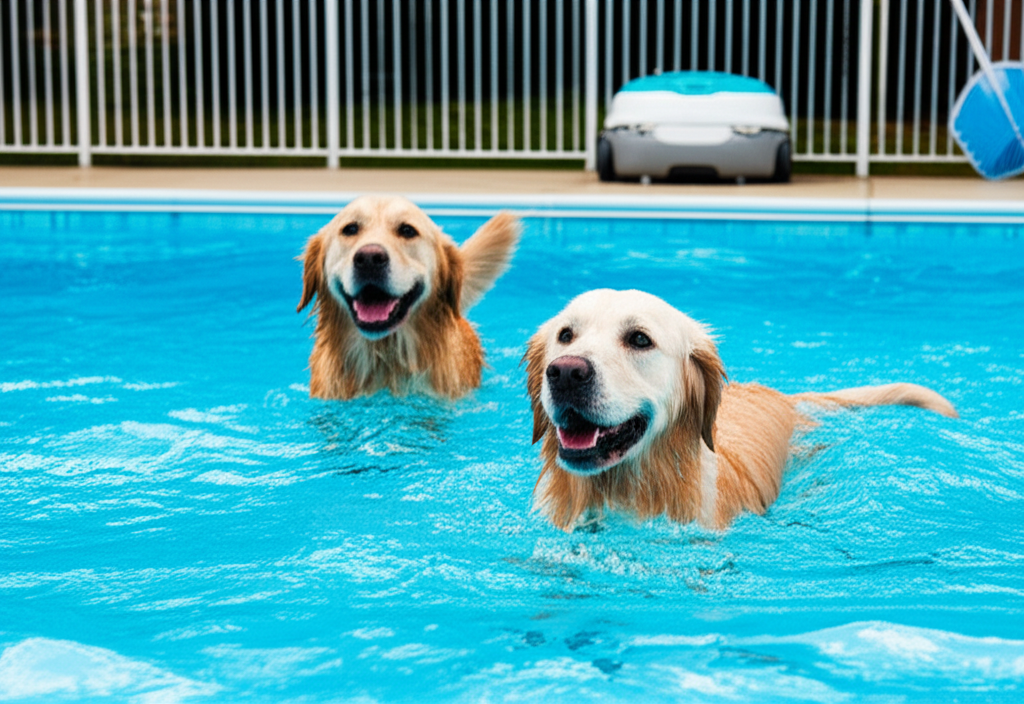
- The Dynamics of Dogs in Pool: Joy Meets Responsibility
- Understanding the Impact of Dogs on Your Pool System
- Proactive Pet Safety Pool Maintenance Strategies
- Enhanced Filtration and Circulation for Dogs in Pool
- Mastering Water Chemistry for a Healthy Pet Safety Pool
- Diligent Physical Cleaning
- Pre-Swim and Post-Swim Routines for Dogs in Pool
- Designing a Pet-Safe Pool Environment
Dogs in Pool bring immense joy, providing a refreshing escape and endless entertainment for our canine companions. However, the presence of furry friends in your backyard oasis introduces unique considerations for pool maintenance, shifting the focus towards ultimate pet-safe practices. Ensuring your pool remains clean, healthy, and safe for both humans and dogs requires a proactive and informed approach.
The Dynamics of Dogs in Pool: Joy Meets Responsibility
For many dogs, a pool isn’t just a body of water; it’s a giant, exciting plaything. Swimming offers excellent, low-impact exercise, helps cool them down on hot days, and provides mental stimulation. From enthusiastic retrievers to water-loving labradors, the sheer delight of a dog splashing in the water is infectious. Yet, responsible pet ownership extends to the environment they share, and the pool is no exception. Traditional pool maintenance routines often don’t account for the unique challenges dogs present, making it crucial to adapt your strategy for a truly pet-safe environment.
Understanding the Impact of Dogs on Your Pool System
When your dog enters the water, they don’t just add ripples; they introduce a range of elements that can impact water quality and pool equipment:
Hair and Debris: Dogs shed, especially when wet. Their fur, dander, dirt, and even leaves or grass they track in can quickly clog skimmer baskets, pump filters, and even main filters, reducing efficiency and potentially damaging equipment.
Oils and Lotions: Natural oils from a dog’s coat, along with any topical treatments they might have on, can accumulate on the waterline, creating scum lines and contributing to cloudy water.
Increased Organic Load: Dogs introduce more contaminants like bacteria, yeast, and algae spores. This significantly increases the organic load in the water, demanding more from your sanitization system.
Chemical Balance: The added contaminants can rapidly deplete chlorine or other sanitizers, making it harder to maintain proper water chemistry. Imbalanced water can be irritating to both human and canine skin and eyes.
Proactive Pet Safety Pool Maintenance Strategies
Maintaining a clean and safe pool for dogs requires a more diligent and thoughtful approach. Here are key areas to focus on:
Enhanced Filtration and Circulation for Dogs in Pool
Your filtration system is the first line of defense against the contaminants dogs introduce.
Run Your Pump Longer: Increase the daily run time of your pool pump, especially on days your dog swims. Aim for at least 10-12 hours, or even 24 hours if heavy use dictates.
Regular Cleaning of Baskets: Skimmer and pump baskets will fill up much faster with dog hair and debris. Check and empty them daily, or even multiple times a day during peak swimming sessions.
Frequent Filter Backwashing/Cleaning: Depending on your filter type (sand, cartridge, DE), you’ll need to backwash or clean it more often. A dirty filter cannot effectively remove contaminants, leading to poor water quality. Consider adding a “filter sock” to your skimmer basket for extra hair capture.
Automated Cleaners: Robotic pool cleaners are invaluable for picking up hair, dirt, and debris from the pool floor and walls, significantly reducing the manual effort required.
Mastering Water Chemistry for a Healthy Pet Safety Pool
Proper water balance is critical for both cleanliness and comfort.
Test Water Frequently: Daily testing is ideal, especially after dog swims. Pay close attention to sanitizer levels (chlorine, bromine), pH, and alkalinity.
Maintain Sanitizer Levels: Ensure adequate sanitizer levels to kill bacteria and algae introduced by dogs. However, avoid excessively high levels, which can irritate your dog’s skin and eyes. Aim for the lower end of the recommended range (e.g., 1-3 ppm for free chlorine).
Balance pH and Alkalinity: Proper pH (7.4-7.6) is crucial for sanitizer effectiveness and comfort. Total alkalinity (80-120 ppm) buffers pH and helps keep it stable.
Shock Treatment: After heavy dog use, a shock treatment can help break down organic contaminants and restore sanitizer effectiveness. Do this when the pool won’t be used for several hours, preferably overnight.
Diligent Physical Cleaning
Skim Religiously: Use a hand skimmer to remove floating hair, leaves, and debris immediately.
Brush Walls and Floor: Regularly brush the pool walls and floor to dislodge any stuck-on debris or algae, pushing it towards the main drain and filtration system.
Vacuum Regularly: Manual or automatic vacuuming is essential for removing heavier debris that settles on the bottom.
Pre-Swim and Post-Swim Routines for Dogs in Pool
Simple routines can make a significant difference in maintaining your pool and your dog’s health.
Pre-Swim Rinse: Before your dog enters the pool, give them a quick rinse with fresh water. This washes off loose hair, dirt, and any external oils, dramatically reducing what enters the pool.
Post-Swim Rinse: After swimming, rinse your dog thoroughly with fresh water to remove chlorine or other chemicals from their coat and skin. This helps prevent skin irritation, dryness, and protects their fur.
Dry Off: Encourage your dog to dry off completely before entering the house to prevent track marks and protect furniture.
Designing a Pet-Safe Pool Environment
Beyond maintenance, consider the physical setup of your pool area.
Gradual Entry/Exit Points: Ensure your pool has easy-to-use steps, ramps, or shallow entry points that dogs can navigate independently. This prevents exhaustion and helps them feel secure.
Secure Fencing: A robust fence around your pool is paramount for `Pet Safety Pool` security, preventing unsupervised access and accidental falls.
Non-Slip Decking: Choose pool decking materials that provide good traction, even when wet, to prevent slips and falls for both pets and humans.
Water Toys: Provide dog-specific, durable, and non-toxic pool toys.
By adopting these comprehensive maintenance and safety strategies, you can ensure your pool remains a pristine and enjoyable haven for every member of your family – two-legged and four-legged alike. The effort invested in a `Pet Safety Pool` environment pays dividends in terms of cleanliness, longevity of your pool equipment, and, most importantly, the health and happiness of your beloved canine companions.