- Why Your Pool Pump is Indispensable
- Essential Pool Pump Care Routines
- The Critical Task of Pump Basket Cleaning
- Inspecting the Impeller
- Checking for Leaks and Air Suction
- Maintaining Proper Water Balance
- Optimizing Pump Performance and Energy Efficiency
- Understanding Run Times
- The Power of Variable-Speed Pumps
- When to Call a Professional
- The Long-Term Benefits
Pool Pump Care is paramount for any swimming pool owner. It’s not just about keeping your water pristine; it’s about extending the life of your equipment, ensuring energy efficiency, and safeguarding your investment. A well-maintained pool pump is the tireless heart of your pool’s circulation system, working behind the scenes to filter contaminants, distribute chemicals, and keep your water invitingly clear. Neglecting this crucial component can lead to costly repairs, inefficient operation, and a less enjoyable swimming experience.
Why Your Pool Pump is Indispensable
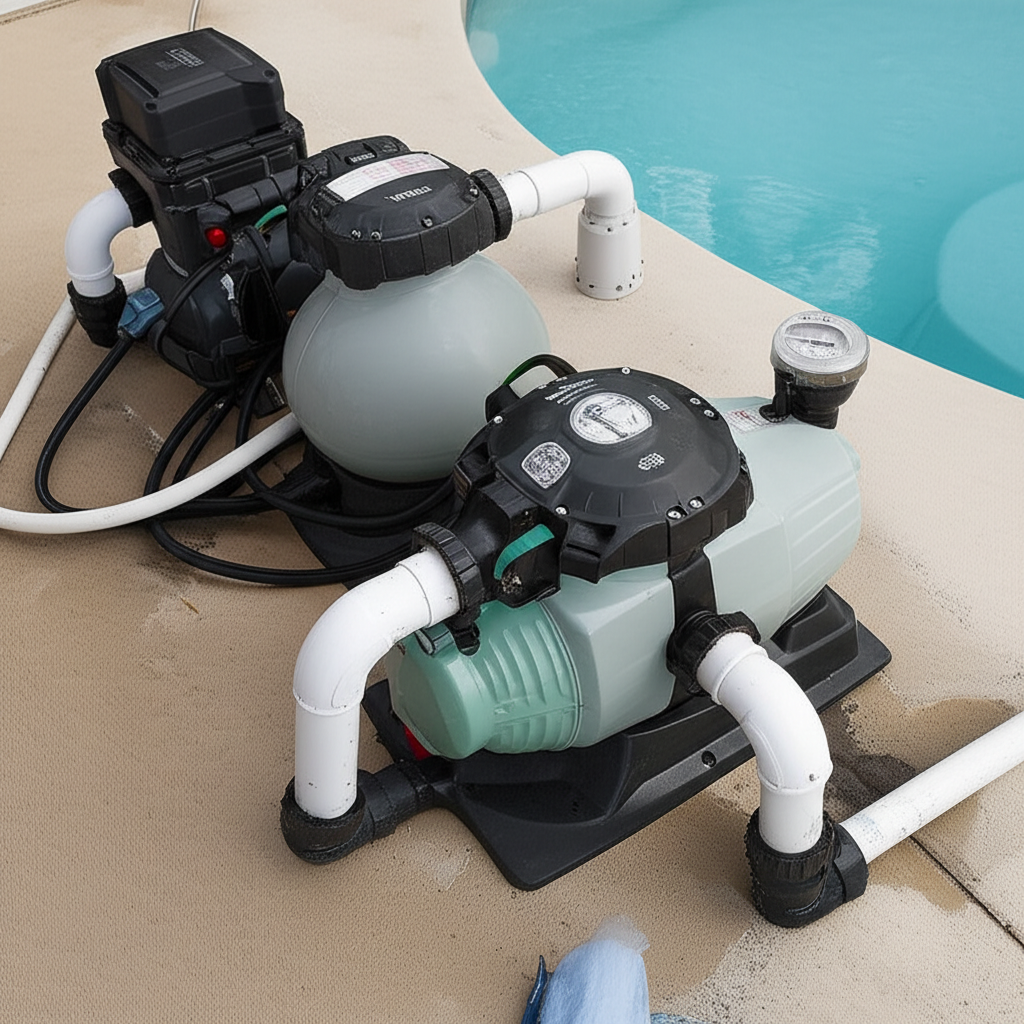
The pool pump draws water from your pool through the skimmer and main drain, pushes it through the filter, and then returns clean, treated water back into the pool. This continuous cycle is vital for preventing algae growth, removing debris, and dispersing sanitizers like chlorine evenly. Without a functioning pump, your pool quickly becomes a stagnant, unhygienic environment. Understanding its importance is the first step towards embracing a proactive maintenance routine.
Essential Pool Pump Care Routines
Effective pool pump maintenance doesn’t have to be a daunting task. By incorporating a few simple, regular habits, you can keep your pump running smoothly and efficiently for years.
The Critical Task of Pump Basket Cleaning
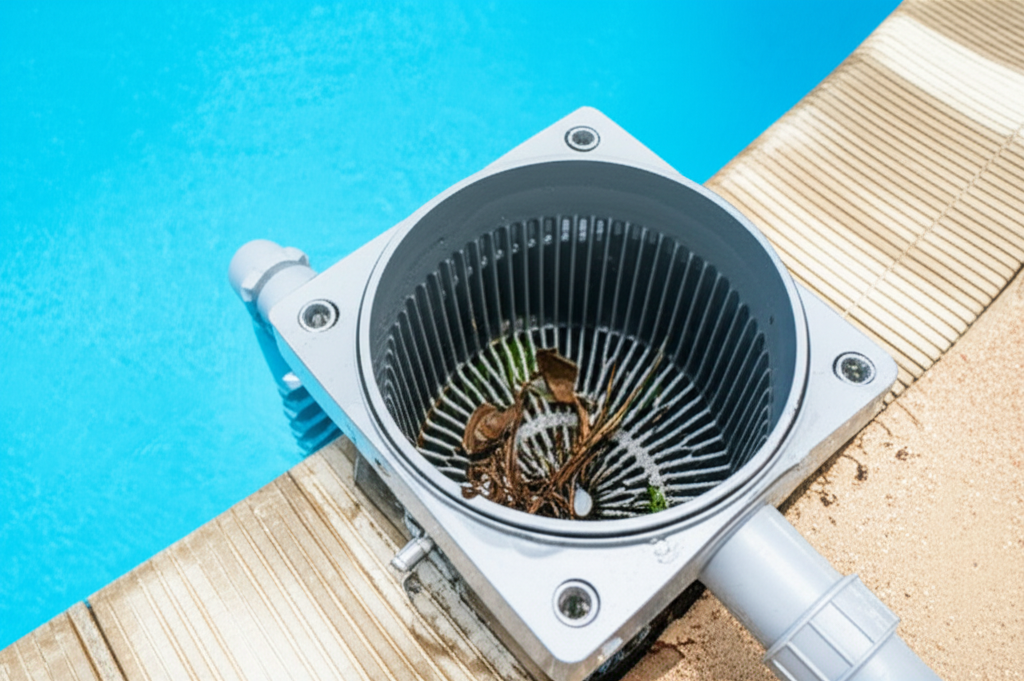
One of the most frequent and impactful tasks in Pool Pump Care is the pump basket cleaning. The pump basket (also known as the strainer basket) is the first line of defense against larger debris like leaves, twigs, hair, and small toys. If this basket becomes clogged, it restricts water flow, forcing your pump to work harder, consuming more energy, and potentially leading to overheating and premature wear.
How to Clean Your Pump Basket:
1. Turn off the power: Always, without exception, switch off the circuit breaker for your pump before performing any maintenance. This is a critical safety measure.
2. Close necessary valves: If your system has isolation valves, close the skimmer and main drain valves to prevent floodbacks when you open the pump.
3. Twist off the lid: Most pump lids are clear and twist off counter-clockwise. You might need a strap wrench if it’s tight.
4. Remove the basket: Carefully lift the basket out of the pump housing.
5. Empty and rinse: Dump any debris into a trash can and thoroughly rinse the basket with a garden hose. Inspect it for cracks or damage.
6. Check the O-ring: Before replacing the lid, inspect the O-ring around the lid for cracks or dryness. If it’s dry, apply a small amount of silicone-based lubricant (never petroleum-based, as it can degrade rubber). This ensures a proper, airtight seal.
7. Replace and seal: Place the clean basket back in the pump, ensuring it seats correctly. Replace the lid, twisting it clockwise until finger-tight. Avoid overtightening.
8. Reopen valves and restart: Open any valves you closed and then switch the pump’s power back on. Check for any leaks around the lid.
Frequency: You should check and clean your pump basket at least once a week, and even more frequently during periods of heavy use, high winds, or after storms. A quick visual check each day can help you determine if it needs immediate attention.
Inspecting the Impeller
Beneath the pump basket lies the impeller, a rotating component that creates the suction and pressure to move water. Over time, smaller debris that slips past the pump basket can get caught in the impeller vanes, reducing flow and stressing the motor. If you notice a drop in water flow despite a clean pump basket, or if the pump sounds like it’s struggling, it might be an impeller issue. Accessing the impeller usually requires disassembling the wet end of the pump, which can be more complex. For persistent issues, professional help might be required.
Checking for Leaks and Air Suction
Regularly inspect your pump for any signs of water leaks, especially around the shaft seal or plumbing connections. A leaking pump not only wastes water but can also indicate a failing seal that needs replacement. Similarly, watch for air being sucked into the system, which can manifest as bubbles returning to the pool, or the pump losing its prime (stopping water flow). Air leaks often occur at connections on the suction side of the pump or around the pump lid O-ring, hindering the pump’s ability to pull water efficiently.
Maintaining Proper Water Balance
While not directly about pump mechanics, maintaining correct pool water chemistry indirectly supports pump longevity. Imbalanced water can be corrosive or scale-forming, damaging internal pump components over time. Regular testing and adjustment of pH, alkalinity, and calcium hardness are part of comprehensive Pool Pump Care.
Optimizing Pump Performance and Energy Efficiency
Beyond routine cleaning, there are ways to ensure your pump operates at its peak while minimizing energy consumption.
Understanding Run Times
The ideal run time for your pump depends on various factors, including pool size, bather load, and filter type. Generally, running your pump 8-12 hours a day is sufficient to turn over the pool’s entire volume at least once. Running it longer than necessary is a waste of energy and doesn’t significantly improve water quality beyond a certain point.
The Power of Variable-Speed Pumps
If you’re still using a single-speed pump, consider upgrading to a variable-speed pump. These advanced pumps can run at lower, energy-efficient speeds for longer periods, drastically reducing energy consumption – sometimes by up to 90% compared to traditional pumps. The initial investment is usually offset by significant electricity bill savings over time, making them a wise choice for long-term Pool Pump Care and cost-effectiveness.
When to Call a Professional
While many aspects of Pool Pump Care are DIY-friendly, some issues require expert intervention. If your pump is making unusual grinding or humming noises, repeatedly losing prime, showing consistent leaks that you can’t seal, or if the motor fails to start, it’s best to consult a certified pool technician. Attempting complex repairs without proper knowledge can pose safety risks and cause further damage.
The Long-Term Benefits
Diligent pool pump maintenance offers numerous benefits. It ensures cleaner, healthier water, extends the lifespan of your pump and other pool equipment, and significantly reduces energy consumption, leading to lower utility bills. By making Pool Pump Care a regular part of your pool routine, you protect your investment and guarantee a sparkling, inviting haven for relaxation and fun.