- Understanding Your Saltwater Pool System
- Essential Saltwater Pool Water Chemistry
- Salt Cell Care: The Heart of Your Saltwater Pool
- Beyond the Basics: Optimizing Your Saltwater Pool Experience
A saltwater pool offers a luxurious and remarkably smooth swimming experience, often preferred for its gentler feel on skin and eyes compared to traditional chlorine pools. While the idea of “easy maintenance” might seem contradictory to pool ownership, saltwater systems, when properly understood and maintained, genuinely simplify the process. By following a few essential tips, you can ensure your beautiful saltwater oasis remains pristine, sparkling, and ready for enjoyment with minimal fuss.
Understanding Your Saltwater Pool System
Before diving into maintenance specifics, it’s crucial to grasp how your saltwater pool operates. Unlike conventional pools that rely on added chlorine chemicals, saltwater pools use a salt chlorine generator (often called a salt cell) to convert dissolved salt (sodium chloride) in the water into chlorine. This continuous, on-demand chlorine production means you rarely handle or store harsh chemical containers, making the pool safer and more convenient. The natural cycle reuses the salt, so you only typically need to add more due to splash-out or backwashing.
Essential Saltwater Pool Water Chemistry
Maintaining proper water balance is the cornerstone of a healthy, easy-to-manage saltwater pool. Regular testing is non-negotiable, ideally 2-3 times per week during peak season.
1. Salinity (Salt Level): This is paramount for your salt cell’s efficient operation. The recommended range is typically between 2,700 and 3,400 parts per million (ppm), with 3,200 ppm being ideal for most systems. Too low, and the cell won’t produce enough chlorine; too high, and it can become inefficient or even damage equipment. Modern salt chlorine generators often have a digital display showing the current salt level. Adjust with pool salt (never table salt!) if low, or partially drain and refill if too high.
2. pH Level: Aim for a pH between 7.4 and 7.8. Saltwater pools tend to have a rising pH due to the chlorine generation process. High pH reduces chlorine effectiveness and can lead to scale buildup. Use muriatic acid or pH decreaser to lower it.
3. Total Alkalinity (TA): This acts as a buffer for pH, helping to keep it stable. Maintain a range of 80-120 ppm. Low alkalinity can cause pH to fluctuate wildly, while high alkalinity makes pH difficult to lower. Use sodium bicarbonate (baking soda) to increase TA.
4. Calcium Hardness: Important for preventing plaster and equipment erosion (if too low) or scale formation (if too high). The ideal range is 200-400 ppm. Too low, and water seeks calcium from surfaces; too high, and cloudy water and scaling can occur.
5. Cyanuric Acid (CYA): Also known as stabilizer, CYA protects chlorine from degradation by UV rays. Ideal levels are 30-50 ppm. Too low, and chlorine dissipates quickly; too high, and chlorine can become “locked up” and ineffective. Always add CYA gradually, as it’s difficult to remove without draining water.
6. Free Chlorine: Even though your system generates chlorine, you should still monitor its level, aiming for 1-3 ppm. This indicates your salt cell is working correctly and your pool is properly sanitized.
Salt Cell Care: The Heart of Your Saltwater Pool
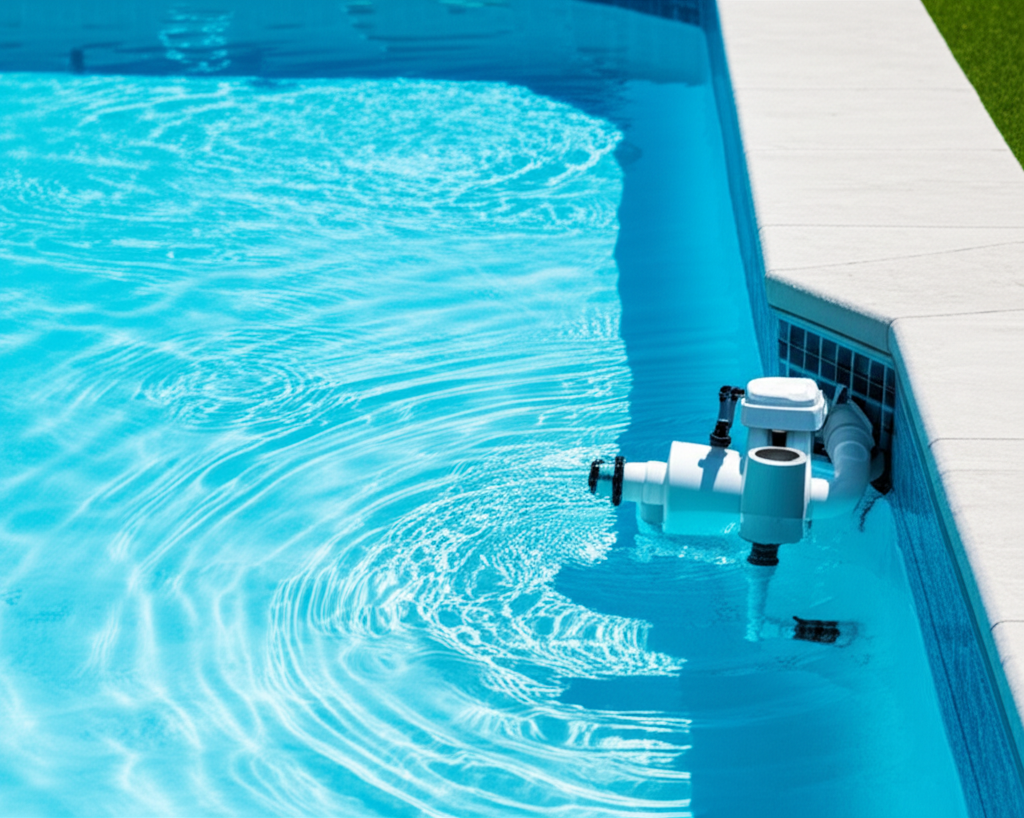
The salt cell is arguably the most critical component of your saltwater system. Proper salt cell care ensures consistent chlorine production and extends the life of this expensive piece of equipment.
1. Regular Inspection: Visually inspect your salt cell every 2-3 months (more often if you have high calcium hardness). Look for white, crusty deposits (scale) on the plates inside the cell.
2. Acid Washing (When Necessary): If you see scale buildup, it’s time for an acid wash. This involves turning off the system, removing the cell, and soaking it in a diluted solution of muriatic acid and water (typically 1 part acid to 4 parts water). Always add acid to water, never the other way around, and wear appropriate safety gear (gloves, eye protection). The acid solution will bubble as it dissolves the scale. Once the bubbling stops and scale is gone, rinse the cell thoroughly with a hose and reinstall. Avoid over-cleaning, as excessive acid washing can reduce the cell’s lifespan.
3. Monitor Cell Performance: Most salt chlorine generators have indicators or displays that show cell status, output, and sometimes even remaining cell life. Pay attention to these warnings. A blinking light or error code might indicate a dirty cell, low salt, or that the cell is nearing the end of its operational life.
4. Optimal Operation: Run your filter and salt cell for adequate periods, usually 8-12 hours a day, depending on pool size, bather load, and temperature. Hotter temperatures and heavy use require longer run times and potentially higher chlorine output settings.
Beyond the Basics: Optimizing Your Saltwater Pool Experience
While water chemistry and salt cell care are primary, don’t overlook these supporting practices for truly effortless maintenance.
1. Filtration and Circulation: Your filter system removes physical debris. Ensure it runs long enough daily and clean your filter regularly (backwash sand filters, rinse cartridge filters, clean DE grids). Good circulation helps distribute chlorine and prevents stagnant spots where algae can thrive.
2. Brushing and Vacuuming: Regularly brush the pool walls and floor to dislodge dirt and algae spores. Manual or robotic vacuums keep the pool free of larger debris. This is a simple step that significantly impacts water clarity and hygiene.
3. Algae Prevention: Consistent chlorine levels, good circulation, proper filtration, and regular brushing are your best defense against algae. If an algae bloom occurs, adjust chlorine output to maximum, brush thoroughly, and consider adding an algaecide.
4. Winterizing and Opening: If you live in a climate that requires winterization, follow specific steps for your saltwater system, which typically includes removing and storing the salt cell. Similarly, ensure a proper pool opening in spring, checking all components and balancing water chemistry.
By embracing these comprehensive tips for your saltwater pool, you’re not just maintaining it; you’re ensuring a continuously refreshing, sparkling clean, and inviting swimming environment. The initial learning curve is minimal, and the rewards are significant: less chemical handling, a smoother feel, and most importantly, more time enjoying your backyard paradise with effortless confidence.