- What are Return Jets and How Do They Work?
- The Indispensable Role of Return Jets in Pool Water Circulation
- Optimizing Your Return Jets for Peak Performance
- Beyond Basic Circulation: Advanced Uses
- Conclusion
Return Jets are fundamentally important components of any swimming pool system, acting as the critical outlets that push fresh, filtered, and sanitized water back into the pool. Without them, even the most powerful pump and efficient filter would struggle to achieve proper pool water circulation, leaving your swimming environment prone to stagnation, uneven chemical distribution, and the proliferation of algae. Understanding their function and optimizing their performance is key to maintaining a healthy, sparkling clean pool.
What are Return Jets and How Do They Work?
At the core of a pool’s operational efficiency is its circulation system, a continuous loop designed to move water from the pool, through the filtration and sanitation equipment, and back again. The journey begins with water being pulled from the pool’s surface via skimmers and from the deeper sections through main drains. This water travels to the pump, which then forces it through the filter, removing dirt and debris. Depending on your setup, the now-clean water might also pass through a heater, chlorinator, or other sanitation devices.
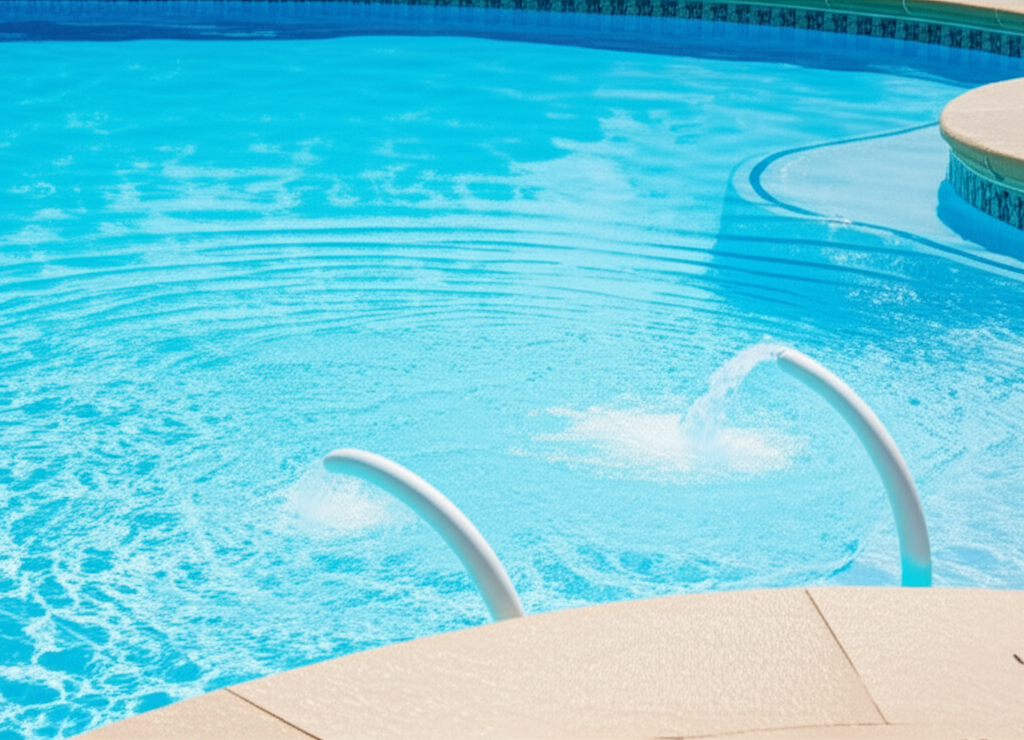
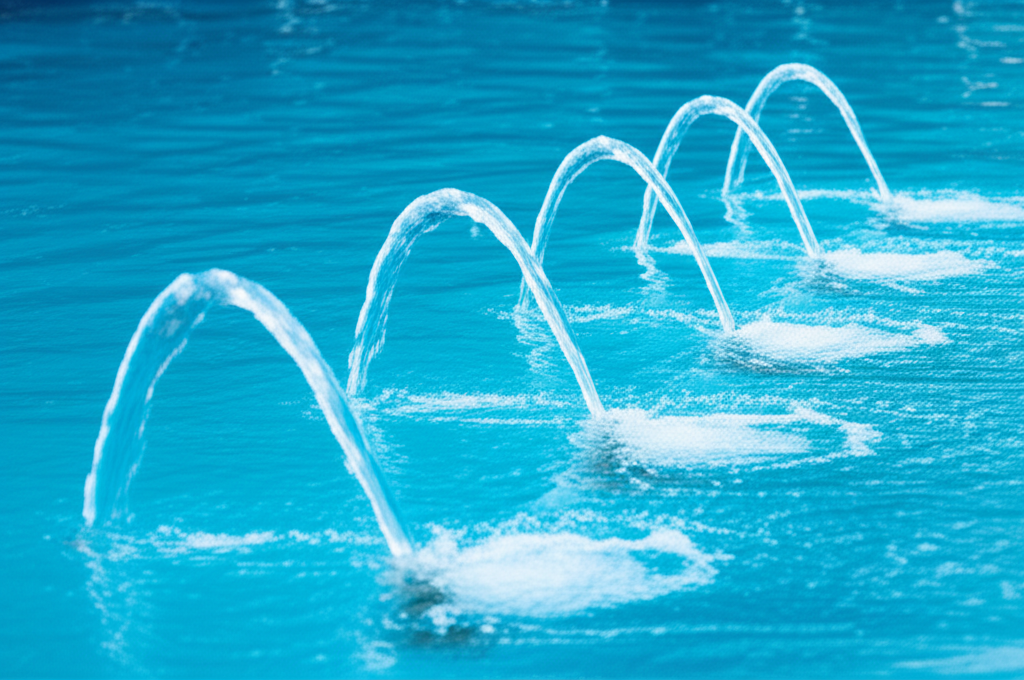
It is at this point that Return Jets come into play. These adjustable nozzles, typically located along the pool walls—often opposite the skimmers—are the final destination for the treated water before it re-enters the swim area. They are designed to create a directional flow, pushing the clean water strategically across and around the pool, ensuring that every corner receives fresh, treated water. This continuous movement is what prevents dead spots and facilitates complete pool water circulation.
The Indispensable Role of Return Jets in Pool Water Circulation
The impact of well-functioning return jets extends far beyond simply putting water back into the pool. They are active participants in several critical aspects of pool maintenance:
Even Heat Distribution: For heated pools, properly directed return jets are essential for distributing warm water throughout the entire pool. Without them, you’d end up with pockets of hot water near the jets and cold water elsewhere, leading to an uncomfortable swimming experience and wasted energy. The jets actively push the heated water downward and across the pool, allowing it to mix effectively.
Chemical Distribution and Sanitation: Skimping on proper pool water circulation is like trying to stir a large pot of soup with only a spoon in the middle – some parts will never get mixed. Similarly, return jets ensure that sanitizers, such as chlorine or bromine, reach every part of the pool. This prevents the formation of areas with insufficient sanitizer levels where bacteria and pathogens can thrive, ensuring a consistently healthy and safe swimming environment.
Debris Movement and Filtration Aid: The directional current created by return jets actively pushes surface debris (leaves, bugs, etc.) towards the skimmers and heavier particles towards the main drains. This significantly enhances the effectiveness of your filtration system, as more debris reaches the strainers and filter. It reduces the time your automatic cleaner might need and minimizes the buildup of grime on the pool floor and walls.
Algae Prevention: Algae thrives in stagnant water and areas with poor chemical circulation. By constantly moving the water and ensuring sanitizer distribution, return jets become a powerful ally in the fight against algae blooms, contributing significantly to a crystal-clear pool.
Optimizing Your Return Jets for Peak Performance
To maximize the effectiveness of your pool water circulation, a little strategic adjustment of your return jets can go a long way.
Directional Flow Mastery: The goal is to create a “swirling” or “rolling” motion within the pool. Adjust your jets to point slightly downwards (about 30-45 degrees) and angled to one side, ideally towards the opposite end or wall of the pool. If you have multiple jets, try to create circular patterns. For example, direct them all in a clockwise or counter-clockwise direction to create a current that pushes water around to the skimmers. This method helps to ensure that water is constantly moving and that debris is guided towards collection points.
Consider Number and Placement: While the number and placement of jets are determined during pool construction, understanding their intended strategy can help you adjust them optimally. Larger pools or those with unique shapes may require more careful adjustment to avoid dead spots.
Maintenance and Clear Passages: Periodically check your return jets for any blockages. Debris, scale, or even small toys can obstruct the flow, reducing their effectiveness. A simple visual inspection and clearing any visible obstructions can restore proper flow. Ensure the surrounding plumbing is also free of air leaks or blockages that could impact pressure.
Balanced Pressure and Flow Rate: The overall strength of the water exiting the Return Jets is directly related to your pump’s power and the cleanliness of your filter. If you notice weak flow, it could indicate a clogged filter, a struggling pump, or even an air leak in your system, all of which compromise overall pool water circulation.
Beyond Basic Circulation: Advanced Uses
Beyond their fundamental role in hygiene and chemical distribution, return jets can also enhance the swimming experience. Some pool owners strategically direct jets to create gentle currents for exercise or simply to add dynamic movement to the water. In pools with integrated spas or specific water features, return jets can be crucial for maintaining flow and ensuring the proper functioning of these elements.
Conclusion
In the grand scheme of pool ownership, Return Jets often receive less attention than the more visible components like pumps or filters. However, their role in maintaining optimal pool water circulation is absolutely paramount. They are the unsung heroes facilitating even heat and chemical distribution, actively guiding debris towards filtration, and tirelessly working to prevent algae and stagnant water. By understanding how they work, optimizing their direction, and ensuring they remain clear, you empower your entire pool system to deliver a consistently clean, healthy, and inviting swimming experience. Never underestimate the power of a well-directed jet; it’s the difference between a good pool and a great one.