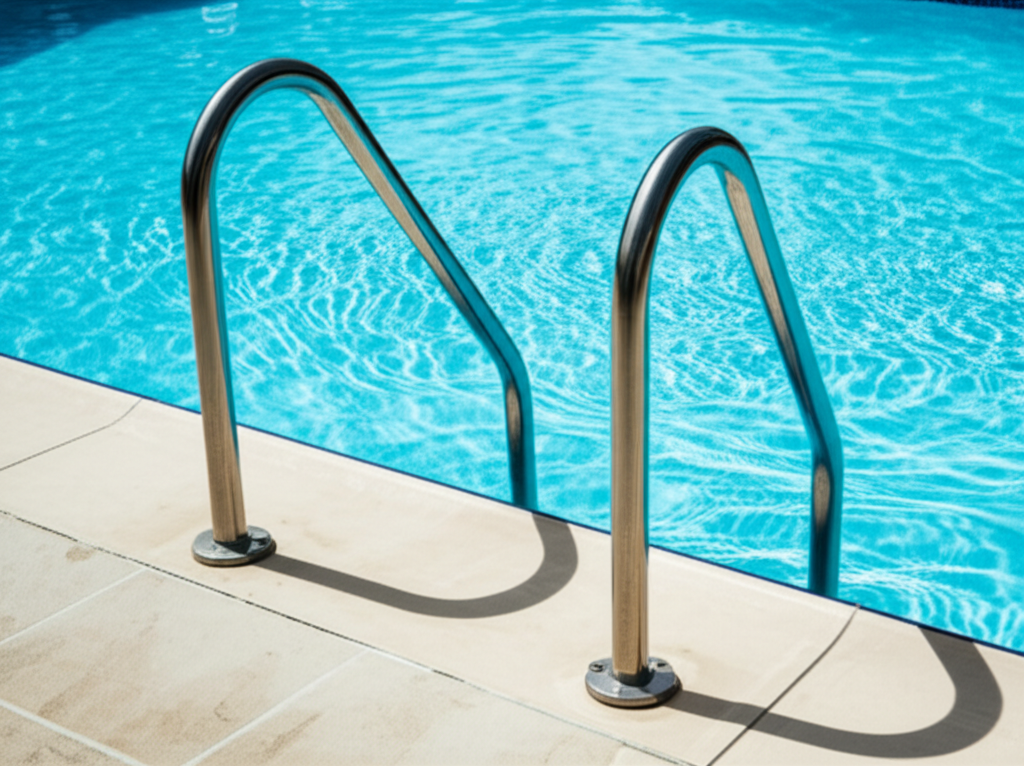
Pool Ladders: Simple Steps for Stunning Handrails
Pool Ladders are indispensable components of any in-ground swimming pool, offering essential safe entry and exit. While their primary function is safety, the appearance of your pool ladders, especially their handrails, significantly contributes to the overall aesthetic appeal of your backyard oasis. Neglected handrails can detract from an otherwise pristine pool environment, becoming a breeding ground for grime, rust, and mineral deposits. Maintaining a pristine look for these high-touch components is not just about curb appeal; it’s also about extending their lifespan and ensuring a safe, hygienic experience for all swimmers. This guide will walk you through simple yet effective steps to transform your handrails from faded and grimy to gleaming and inviting.
Why Handrail Maintenance is Crucial for Your Pool
Beyond mere aesthetics, the upkeep of your pool ladder handrails plays a vital role in the safety and longevity of your pool equipment. Handrails are constantly exposed to harsh pool chemicals, UV radiation, and water, making them susceptible to corrosion, oxidation, and the buildup of various residues.
1. Safety First: A smooth, clean handrail provides a secure grip, preventing slips and falls as swimmers enter or exit the water. Rust, algae, or calcium buildup can make surfaces slick and abrasive, posing a hazard.
2. Enhanced Durability: Regular cleaning and protection prevent degradation of the handrail material. For stainless steel, this means preventing pitting and rust; for powder-coated rails, it means preserving the finish and preventing chips that expose the underlying metal.
3. Aesthetic Appeal: A sparkling clean handrail reflects light beautifully, enhancing the inviting sparkle of your entire pool area. It’s often the first thing people touch and notice when approaching the water.
4. Hygiene: Handrails are high-touch surfaces. Regular cleaning removes bacteria, algae, and sunscreen residues, contributing to a healthier swimming environment.
Common materials for pool handrails include polished stainless steel, powder-coated steel (often white or blue), and sometimes PVC or plastic. Each material has its unique vulnerabilities and cleaning requirements, but a foundational approach applies to all.
Understanding Your Pool Ladder Handrails: Common Issues
Before diving into cleaning, it’s helpful to understand the common adversaries your handrails face:
Rust (Stainless Steel): Though “stainless,” these metals are not entirely immune to rust, especially when continuously exposed to chlorinated water, pool chemicals, and lack of oxygen (crevice corrosion). Iron particles from external sources can also cause “tea staining.”
Calcium and Hard Water Stains: White, crusty deposits are a tell-tale sign of hard water evaporation, leaving behind mineral solids. These can accumulate quickly, making surfaces rough.
Algae and Biofilm: Green, black, or slimy residues indicate the presence of algae or other microbial biofilms, especially in shaded areas or on less frequently cleaned surfaces.
Grime and Sunscreen Buildup: Oily residues from body lotions, sunscreens, and general environmental dirt can accumulate, dulling the finish and making handrails feel greasy.
Fading and Oxidation (Powder-Coated/PVC): Over time, UV rays can cause colors to fade, and surfaces can become chalky or show signs of oxidation.
The Art of Handrail Cleaning for Your Pool Ladders
Achieving stunning handrails is a straightforward process that combines the right tools with elbow grease.
1. Preparation and Supplies:
Gather your arsenal:
Two buckets (one for cleaning solution, one for rinse water)
Soft sponges or microfiber cloths
Non-abrasive scrub brushes (for tougher spots)
Gentle dish soap or a specialized pool surface cleaner
White vinegar (for calcium)
Baking soda (for gentle scrubbing/rust spots)
Commercial rust remover (pH neutral, specifically for stainless steel, if needed)
Rubber gloves and eye protection
Garden hose with a spray nozzle
2. Basic Cleaning – The Foundation:
Rinse: Start by thoroughly rinsing the handrails with fresh water from a garden hose. This removes loose dirt, dust, and any superficial chemicals, preventing them from mixing with your cleaning solutions.
Soap and Scrub: Fill one bucket with warm water and a small amount of mild dish soap or a specialized pool cleaner. Dip your sponge or cloth and generously clean the entire surface of the handrails. Work in small sections, always scrubbing in the direction of the grain for stainless steel.
Thorough Rinse: Immediately after scrubbing a section, rinse it thoroughly with clean water, ensuring no soap residue remains. This is crucial for preventing water spots and chemical reactions.
3. Tackling Specific Stains:
Calcium/Hard Water Stains: For mild deposits, a solution of equal parts white vinegar and water can work wonders. Apply, let it sit for 5-10 minutes, and then scrub with a non-abrasive brush. For tougher calcium, consider a diluted acid cleaner specifically designed for pools, but use with extreme caution, following manufacturer instructions, and ensuring excellent ventilation. Always rinse profusely.
Rust Spots (Stainless Steel): For minor spots, make a paste of baking soda and a little water. Apply to the rust, let sit for 15-20 minutes, then gently scrub with a soft cloth or toothbrush. For more stubborn rust, use a pH-neutral commercial rust remover formulated for stainless steel, strictly following product directions. Never use abrasive pads or steel wool, as these can scratch the surface and induce new rust.
Algae/Grime: A diluted bleach solution (1 part bleach to 10 parts water) or a dedicated algae removing pool cleaner, applied with a soft brush, can effectively remove these contaminants. Ensure ample rinsing to prevent chemical residue from entering the pool or damaging the railing.
Scuff Marks/Dullness: For stainless steel, a specialized stainless steel cleaner and polish can help remove minor scuffs and restore a brilliant shine. Apply with a microfiber cloth and buff to a sheen.
4. The Final Touch – Drying:
After all cleaning and rinsing, immediately dry the handrails with a clean, soft microfiber cloth. This prevents water spots, especially on stainless steel, and ensures a streak-free, brilliant finish.
Beyond Cleaning: Maintaining Stunning Pool Ladder Handrails
Cleaning is just one part of the equation. Consistent maintenance protects your investment and keeps your handrails looking new.
Routine Wipes: A quick wipe-down with a clean, damp cloth every few days can prevent the buildup of grime and chemicals.
Protective Coatings: For stainless steel handrails, applying a specialized stainless steel polish or wax every few months creates a protective barrier against water spots, fingerprints, and minor corrosion. This also makes future cleaning easier.
Address Damage Promptly: If powder-coated handrails get chipped, touch up the area with suitable paint to prevent moisture from reaching the metal underneath and causing rust. Inspect all handrails regularly for loose bolts, structural cracks, or sharp edges that could compromise safety.
* Winter Care: If you remove your Pool Ladders for winter, clean them thoroughly, dry them completely, and store them in a dry, protected area. This significantly extends their life.
By dedicating a little time to routine care and targeted cleaning, your pool ladder handrails will not only remain safe and functional but also stand out as a gleaming testament to a well-maintained and inviting swimming pool. Simple steps lead to truly stunning results, ensuring your pool area always looks its absolute best.