- Unmasking the Culprit: What Exactly is Pink Slime?
- Why Does Pink Slime Keep Reappearing?
- Effective Pink Algae Treatment and Prevention Strategies
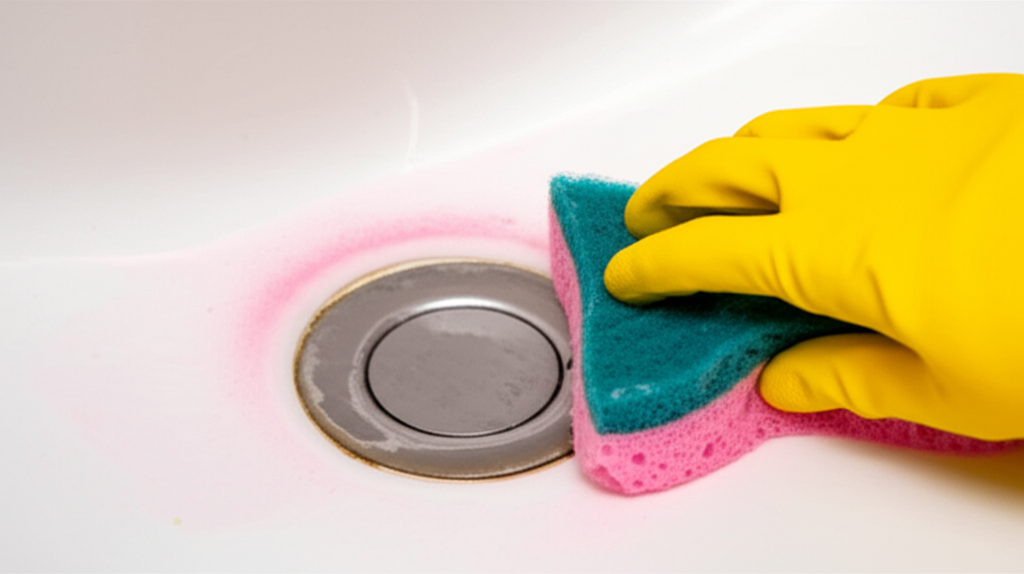
Pink Slime, that unsightly reddish-pink film often found lurking in our bathrooms, pet water bowls, and other damp areas, is a common household nuisance. Despite its name, this persistent stain isn’t actually slime or algae, but rather a naturally occurring bacterium called Serratia marcescens. Thriving in moist environments, it can transform a pristine surface into a grimy mess overnight. While typically more of an aesthetic issue, understanding what it is and how to effectively tackle it is crucial for maintaining a clean and hygienic home.
Unmasking the Culprit: What Exactly is Pink Slime?
The distinctive pink or reddish hue that characterizes this “slime” is due to a pigment called prodigiosin, produced by the Serratia marcescens bacteria. This microorganism is ubiquitous, meaning it’s found almost everywhere—in soil, water, and even in our digestive tracts. It flourishes in areas with high humidity and static water, feeding on fatty deposits like soap scum, shampoo residue, and even the minerals in your tap water.
While Serratia marcescens is generally considered harmless to healthy individuals, it can pose a risk to those with compromised immune systems, particularly in clinical settings. For the average homeowner, its presence is primarily a signal for areas that need more diligent cleaning. Common hotspots include shower curtains, grout lines, toilet bowls (especially the water line and under the rim), sink drains, showerheads, pet water dishes, and even humidifiers.
Why Does Pink Slime Keep Reappearing?
The frustrating consistency of pink slime often leaves homeowners feeling like they’re fighting a losing battle. Its tenacious nature stems from a combination of environmental factors and our own cleaning habits.
Constant Moisture: The primary ingredient for Serratia marcescens to thrive is water. Bathrooms, by design, are damp environments, providing ideal conditions for continuous growth. Condensation on walls, lingering droplets in showers, and standing water in toilet bowls all contribute.
Food Source: The bacteria feed on everything from soap residue and shampoo to mineral deposits found in hard water. Even a minuscule film of these substances provides ample nourishment.
Warmth: Warm temperatures accelerate bacterial growth, which is why bathrooms, often heated and used for warm showers, are perfect breeding grounds.
Airborne Transmission: Spores of Serratia marcescens can become airborne and settle on new surfaces, perpetuating the cycle across different areas of your home. If one surface is contaminated, it’s easy for others nearby to get infected.
Effective Pink Algae Treatment and Prevention Strategies
Conquering pink slime isn’t about a one-time scrub; it requires a consistent, multi-pronged approach combining thorough cleaning with preventative measures. Here’s how to effectively treat and prevent this pesky problem.
1. The Power of Diligent Cleaning:
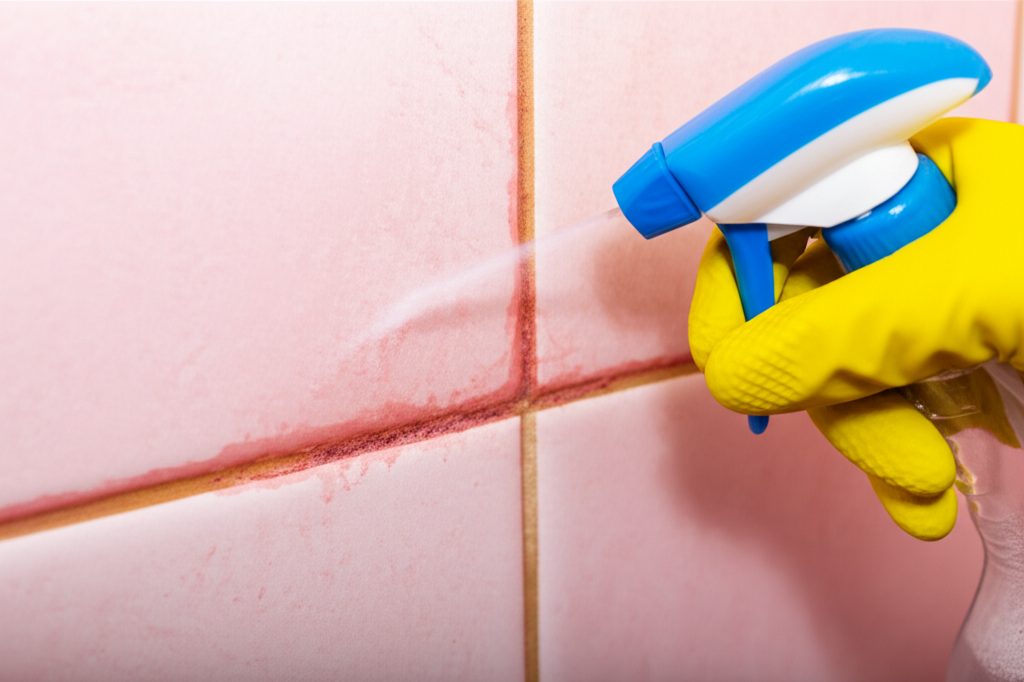
For Showers, Tubs, and Grout: Regular scrubbing is paramount. A mixture of equal parts white vinegar and water
in a spray bottle can be an excellent daily shower cleaner. For tougher stains, use a hydrogen peroxide solution (3%) or a bleach-based bathroom cleaner. Always ensure good ventilation when using bleach. A stiff brush is invaluable for scrubbing grout lines. After each shower, wipe down walls, doors, and the base with a squeegee or a towel to remove excess moisture.
For Toilets: Don’t just clean the visible bowl. Pay attention to the water line, under the rim, and the tank itself if you notice a film. A toilet bowl cleaner with bleach or a strong disinfectant, combined with a good toilet brush, will be effective. For the tank, a cup of white vinegar left to sit for at least an hour before flushing can help.
For Sinks and Drains: Pink slime often lurks around faucets and in drain grates. Use an old toothbrush to detail these areas. For the drain pipes, a weekly flush with a mixture of baking soda followed by white vinegar can help break down organic matter and kill bacteria, followed by hot water rinse.
For Pet Water Bowls: This is a crucial area often overlooked. Serratia marcescens can easily contaminate pet dishes and may be harmful if ingested in large quantities by pets, especially those with weakened immune systems. Wash pet bowls daily with hot, soapy water, or run them through the dishwasher. Consider stainless steel or ceramic bowls, as plastic can sometimes harbor bacteria more easily.
For Humidifiers and Vaporizers: These devices are designed to produce moisture, making them prime real estate for pink slime. Follow the manufacturer’s cleaning instructions diligently. Most recommend daily rinsing and weekly deep cleaning with vinegar or hydrogen peroxide solution. Use distilled water whenever possible to reduce mineral buildup that bacteria can feed on.
2. Crucial Preventative Measures:
Enhance Ventilation: Always use your bathroom fan during and after showers and baths for at least 15-20 minutes. Open windows if possible to allow fresh air circulation and reduce humidity.
Dry Surfaces Thoroughly: Make it a habit to wipe down shower walls, tubs, and sink counters after use. This removes the standing water that bacteria rely on. Keep shower curtains fully extended to allow them to dry completely.
Regular Cleaning Schedule: Consistency is key. Implement a weekly cleaning routine for bathrooms and daily cleaning for pet bowls. Don’t let grime build up, as it gives the bacteria more to feed on.
Deterring Hard Water Deposits: If you live in an area with hard water, mineral deposits can create a rough surface that catches bacteria. Consider a water softener or using filtered water for humidifiers and pet bowls.
Replace Shower Curtains/Liners: If your shower curtain liner is old and consistently showing pink slime, it might be time to replace it with a new, mildew-resistant option. You can also machine wash washable liners regularly.
3. Beyond the Bathroom: Other Hotspots
While bathrooms are the most common battlegrounds, remember that pink slime can appear elsewhere. Check your washing machine, especially front-loaders where residual water can accumulate in the gasket, and dishwashers for any signs of the pink film. Regular cleaning cycles with hot water and designated cleaning tablets can help prevent buildup in these appliances. Water filters and dispensers can also be culprits if not maintained properly.
By understanding the nature of Serratia marcescens and implementing these effective cleaning and prevention strategies, you can easily conquer the unsightly problem of pink slime. A little consistency and diligence will go a long way in keeping your home hygienic and aesthetically pleasing.