- What Are Total Dissolved Solids?
- Why High TDS in Pool Water Presents a Problem
- Diagnosing High TDS in Pool Levels
- The Ultimate Fix for High TDS in Pool Water: Drain and Refill
- Preventing High TDS in Pool Water
TDS in Pool water refers to the Total Dissolved Solids, a measurement of all organic and inorganic substances dissolved in your swimming pool water. While often overlooked, maintaining optimal TDS levels is crucial for pool health, water clarity, and the longevity of your pool equipment. When levels become excessively high, they can lead to a host of problems that undermine your swimming experience and chemical consumption. Understanding what constitutes high TDS and, more importantly, how to effectively address it, is key to crystal-clear, healthy pool water.
What Are Total Dissolved Solids?
Total Dissolved Solids encompass a mixture of minerals, salts, metals, and organic matter that exist in a dissolved state within your pool water. These include calcium, magnesium, sodium, potassium, chlorides, sulfates, carbonates, bicarbonates, and even residual chemicals from sanitizers and other pool treatments. TDS levels naturally increase over time due to several factors:
Evaporation: Water evaporates, but dissolved solids are left behind, concentrating their presence.
Bather Load: Swimmers introduce sweat, body oils, lotions, and dirt into the water.
Chemical Additives: Every time you add chlorine, pH adjusters, alkalinity boosters, calcium hardness increasers, or algaecides, you are adding dissolved solids.
Source Water: The water you use to fill your pool already contains its own TDS, which varies by region.
Environmental Factors: Dust, pollen, rain, and other airborne particles also dissolve into the water.
Why High TDS in Pool Water Presents a Problem
While a certain level of dissolved solids is normal, exceeding recommended limits can significantly impact your pool. The ideal range for TDS in most pools is typically below 1500 ppm (parts per million), though for saltwater pools, this figure will naturally be much higher due to the salt generator. However, even in saltwater systems, an excessive increase beyond the operating range of the generator can cause issues.
Here’s why high TDS is detrimental:
Reduced Sanitizer Efficiency: High TDS can “tie up” chlorine, making it less effective at killing bacteria and algae. This means you’ll need to use more sanitizer, leading to increased costs and potentially even higher TDS.
Cloudy Water: While high TDS doesn’t directly cause cloudy water like suspended particles, it can make it harder for your filter to work efficiently and often correlates with other water quality issues that lead to cloudiness.
Staining and Scaling: An abundance of dissolved minerals, especially calcium and magnesium, can lead to scale formation on pool surfaces, equipment, and plumbing. Metals can also precipitate out, causing unsightly stains.
Corrosion: Paradoxically, while some dissolved solids cause scale, very high and imbalanced TDS can also become corrosive to metal pool components.
Unpleasant Swimming Experience: Water with very high TDS can taste salty or metallic, feel “heavy,” and cause skin or eye irritation. It can also create a foamy surface.
Filter Strain: High TDS can reduce the effectiveness of your filter, requiring more frequent backwashing and potentially shortening the lifespan of your filter media.
Diagnosing High TDS in Pool Levels
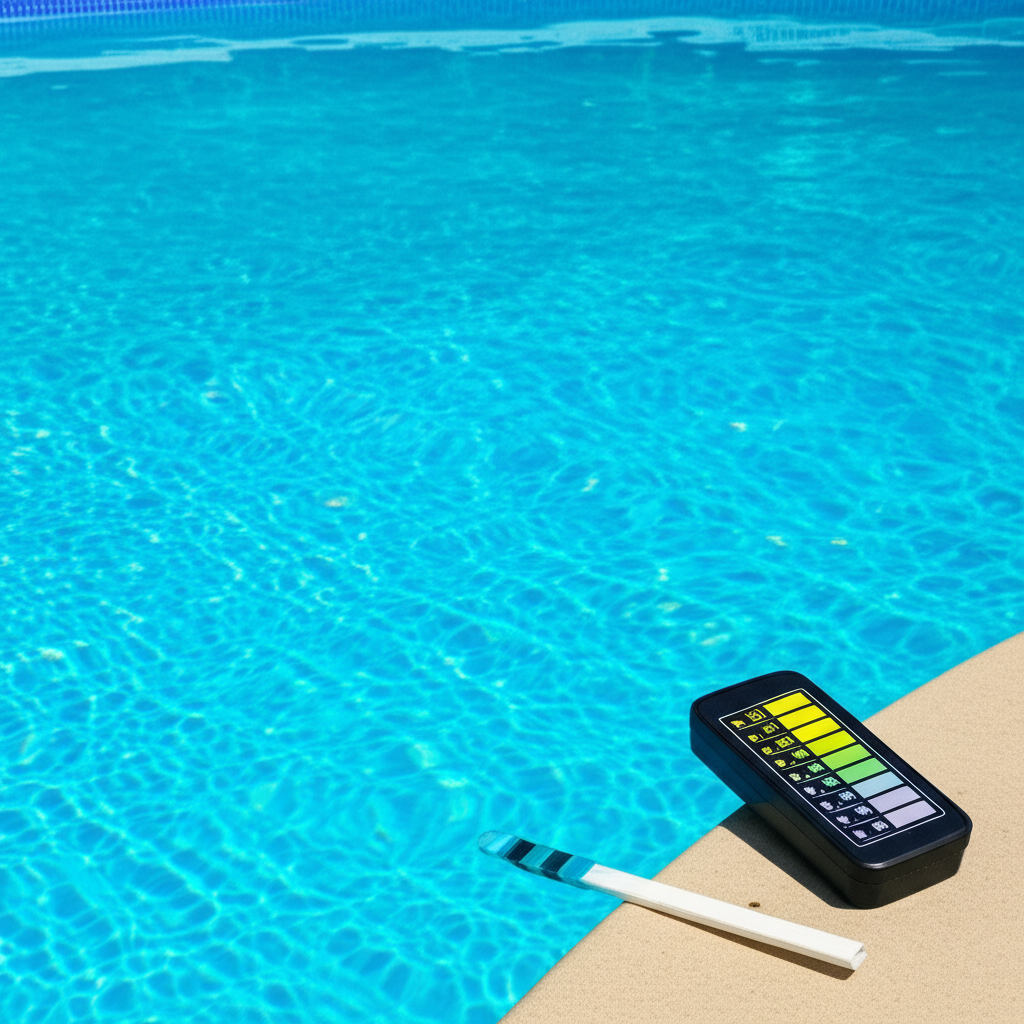
Identifying high TDS requires specific testing. While many pool test kits check for individual parameters like chlorine, pH, and alkalinity, they often don’t measure TDS directly. You’ll need a dedicated TDS meter, which is a relatively inexpensive handheld device. Simply dip the probe into your pool water, and it will give you a reading in parts per million (ppm).
Beyond the numerical reading, look for these warning signs:
Persistent cloudy water despite balanced chemicals and proper filtration.
Increased chemical demand (needing more chlorine than usual).
Visible staining or scaling on pool surfaces.
A salty or metallic taste to the water.
Increased skin or eye irritation experienced by swimmers.
Chemical parameters (like pH or alkalinity) that are difficult to keep stable.
The Ultimate Fix for High TDS in Pool Water: Drain and Refill
Unlike some other water chemistry problems, there’s no chemical product that effectively removes dissolved solids from your pool water. You can filter out suspended particles, but dissolved substances remain in solution. Therefore, the most effective and often the “ultimate” fix for high TDS is to replace the old, high-TDS water with fresh water.
1. Partial Drain and Refill:
For moderate increases in TDS, a partial drain and refill can be sufficient. This typically involves draining 1/4 to 1/2 of your pool’s water and refilling it with fresh water. This process immediately dilutes the concentration of dissolved solids. Ensure you understand the proper draining procedures for your specific pool type and local regulations.
2. Full Drain and Refill:
If your TDS levels are severely elevated (e.g., above 3000 ppm in a non-salt pool), or if you’ve been battling persistent issues for extended periods, a full drain and complete refill is often the most comprehensive solution. This “resets” your pool chemistry, giving you a fresh start. A full drain also provides an opportunity to inspect the pool surface for problems and perform any necessary deep cleaning while the pool is empty. Always be cautious when draining a vinyl liner pool or fiberglass pool, consulting your builder or manufacturer regarding specific recommendations to prevent damage.
3. Reverse Osmosis (RO) Filtration Services:
An increasingly popular and highly effective, albeit more expensive, method is to use on-site Reverse Osmosis filtration services. Specialized mobile units come to your home, filter your pool water through an RO system, and return purified water to your pool. This process removes up to 95-99% of all dissolved solids, wastes very little water (unlike draining), and allows you to keep the pool full. It’s an excellent option for areas with high water costs or restrictions, or for pools too large or complex for a full drain.
Preventing High TDS in Pool Water
Once you’ve addressed high TDS, proactive maintenance is key to keeping levels in check:
Regular Testing: Test your TDS levels monthly, or more frequently if you have a high bather load or are adding many chemicals.
Backwash Smartly: Backwashing your sand or DE filter removes impurities, but don’t over-backwash. Over-backwashing can waste water and lead to more frequent refilling, potentially introducing more TDS from tap water.
Shower Before Swimming: Encourage swimmers to shower before entering the pool. This significantly reduces the amount of oils, lotions, and dirt introduced into the water.
Proper Chemical Dosing: Avoid “shocking” your pool excessively or adding more chemicals than necessary. Follow manufacturer instructions precise dosing.
Use High-Quality Chemicals: Cheaper chemicals sometimes have more impurities that can contribute to TDS.
Ensure Good Circulation and Filtration: A well-functioning pump and filter system will help manage all aspects of water quality.
Control Evaporation: Using a pool cover can reduce water loss from evaporation, thereby slowing the concentration of dissolved solids.
Managing TDS in your pool is a continuous process, but by understanding its causes and implementing these fixes and preventative measures, you can ensure a cleaner, healthier, and more enjoyable swimming environment for everyone. While a complete water replacement via drain and refill or RO filtration is the ultimate solution for existing high levels, consistent preventative care is your best defense against its return.