Bromine Sanitizer: The Ultimate, Safer Chlorine Alternative
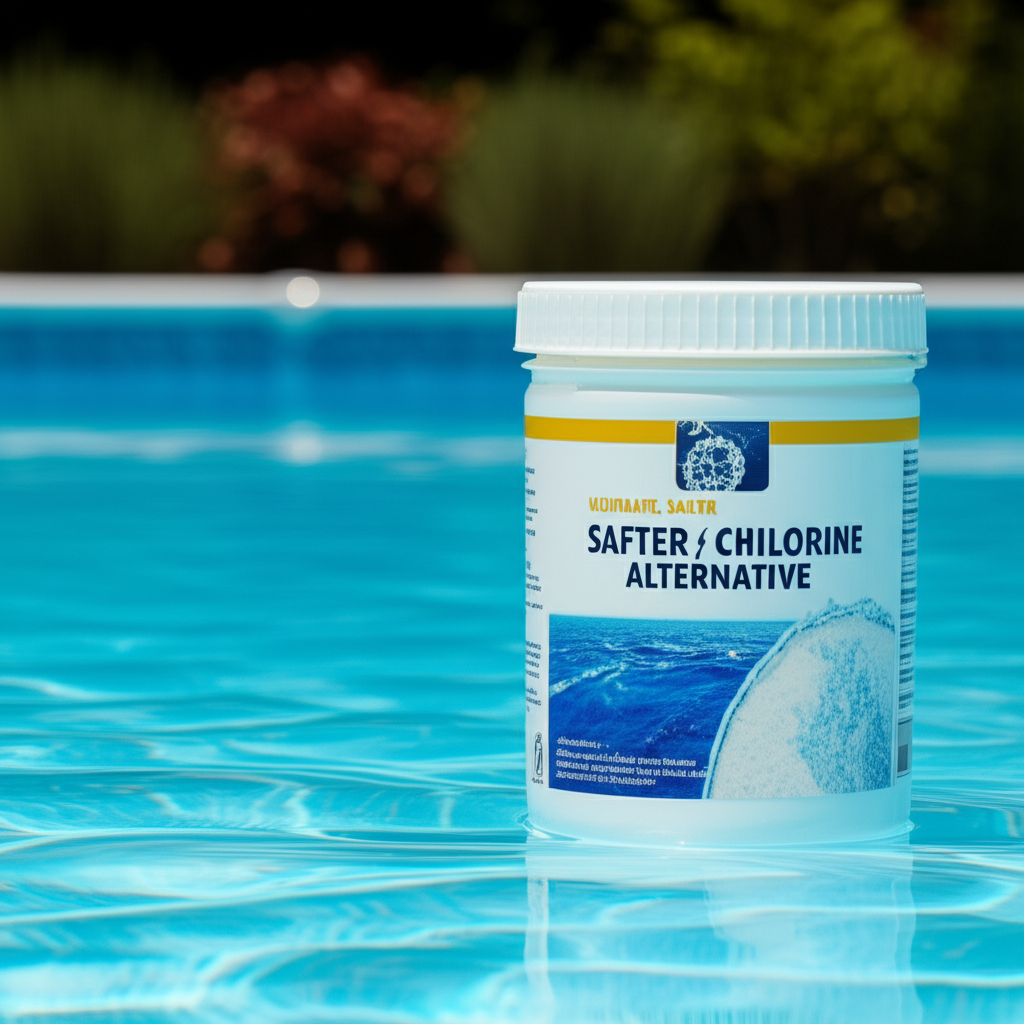
Bromine sanitizer has emerged as a powerhouse in water treatment, offering a compelling and often superior alternative to traditional chlorine for maintaining clean, clear, and comfortable pool and spa water. For many pool and hot tub owners, the search for a gentler yet equally effective sanitization method leads directly to bromine, a halogen chemical related to chlorine but with distinct advantages, particularly in certain environments. Its effectiveness, combined with a user-friendly experience, makes it a favored choice among those looking for a premium aquatic experience without the common drawbacks associated with chlorine.
Understanding How Bromine Sanitizer Works
At its core, bromine performs disinfection through oxidation. When bromine tablets (typically bromochloro-dimethylhydantoin, or BCDMH) are added to water, they dissolve slowly, releasing hypobromous acid (HOBr) and bromide ions. It is the hypobromous acid that actively sanitizes the water by oxidizing contaminants like bacteria, viruses, and algae, thereby neutralizing them. A unique advantage of bromine, especially when compared to chlorine, lies in how it interacts with these contaminants.
Unlike chlorine, which forms strong-smelling chloramines when it reacts with organic compounds, bromine forms bromamines. These bromamines are significantly less pungent and less irritating than chloramines. Crucially, bromamines are not “spent” sanitizers; they can be reactivated back into hypobromous acid through the addition of a non-chlorine shock or oxidizer. This regeneration process extends the lifespan of the bromine in the water, contributing to its sustained sanitizing power and often leading to less frequent product additions. Furthermore, bromine is more stable in warmer water temperatures and less susceptible to degradation from UV light than unstabilized chlorine, making it an ideal candidate for hot tubs and indoor pools.
The Advantages of Choosing Bromine Sanitizer
The appeal of bromine sanitizer stems from several key benefits that address common concerns with other sanitizing agents:
1. Gentle on Skin and Eyes: One of the most significant advantages for users is the reduced irritation. Bromine is known to be much milder on the skin and eyes compared to chlorine, making it an excellent option for individuals with sensitive skin, children, or anyone who experiences discomfort from chlorine-treated water.
2. Minimal Odor: The characteristic “chlorine smell” often associated with pools is actually caused by chloramines, not chlorine itself. As mentioned, bromine produces bromamines, which have a very faint odor, if any. This results in a more pleasant swimming or soaking experience, particularly in enclosed spaces like indoor pools or hot tubs where ventilation can be limited.
3. Superior Performance in Warm Water: Bromine maintains its sanitizing efficacy remarkably well in high water temperatures. This makes it the undisputed champion for hot tubs and spas, where water temperatures typically range from 98-104°F (37-40°C). Chlorine, conversely, becomes less stable and more volatile at these elevated temperatures, requiring more frequent additions to maintain adequate sanitization levels.
4. pH Stability: Bromine is less affected by pH fluctuations in the water. While monitoring pH is still important for overall water balance, bromine’s sanitizing power remains relatively stable across a broader pH range compared to chlorine, which loses significant effectiveness if the pH deviates too far from 7.4-7.6.
5. Long-Lasting Residual: The ability of bromamines to be regenerated back into active sanitizer means that bromine provides a longer-lasting residual in the water. This continuous protection helps keep the water clean and clear between treatments and can reduce the overall consumption of chemicals over time.
Bromine vs. Chlorine: A Head-to-Head Comparison
While both bromine and chlorine are effective disinfectants, their differences make them suited for varying applications. Chlorine, especially stabilized chlorine (with cyanuric acid), is often the go-to for large outdoor swimming pools due to its cost-effectiveness and good performance in cooler, sun-exposed environments. However, chlorine’s struggle with higher temperatures and its tendency to produce irritating chloramines often push users towards a chlorine alternative like bromine.
For hot tubs and indoor pools, bromine generally outperforms chlorine in terms of comfort and stability. The milder scent and reduced skin irritation are significant factors. While bromine is effective in outdoor pools, its slightly higher cost and slightly slower dissolution rate compared to some forms of chlorine make it less common for very large volumes of water. However, for those prioritizing comfort and minimal odor, even in outdoor settings, bromine remains a viable and attractive choice.
Maintaining a Bromine System
Proper maintenance is crucial for any sanitizer. For bromine, this typically involves using a floating dispenser or automatic feeder for bromine tablets (often 1″ or 2″ size). Regular water testing is essential to ensure bromine levels, pH, and alkalinity are within optimal ranges. A key aspect of bromine maintenance is “shocking” the water, usually with a non-chlorine oxidizer (like potassium monopersulfate). This process oxidizes the contaminants and, importantly, regenerates the spent bromamines back into active bromine, creating a “bromide bank” that helps maintain consistent sanitization.
It’s important to note that over time, the bromide bank can accumulate, and water clarity might be affected. Occasional partial draining and refilling of the spa or pool water is recommended to dilute the build-up of total dissolved solids (TDS) and maintain optimal water quality.
Conclusion
Bromine sanitizer offers a robust, reliable, and user-friendly solution for maintaining pristine pool and spa water. Its inherent advantages—less odor, reduced irritation, and superior performance in warm water environments—make it a preferred choice for hot tub owners and those seeking a gentler approach to water sanitation. While chlorine remains a widely used option, bromine stands out as an ultimate and safer chlorine alternative, providing a genuinely enhanced and more comfortable aquatic experience for many. By understanding its benefits and proper maintenance, users can enjoy crystal-clear water with remarkable comfort and peace of mind.