- Diving Deep: What Makes a Pool Foamy?
- 1. Imbalanced Water Chemistry
- 2. Organic Contaminants and Bather Load
- 3. Environmental Factors
- 4. Air Entrapment and Turbulence
- 5. Old or Incompatible Pool Chemicals
- 6. High Total Dissolved Solids (TDS)
- Action Plan: How to Address a Foamy Pool
- Preventing Future Foamy Pool Issues
Foamy Pool: Unmasking Common Causes
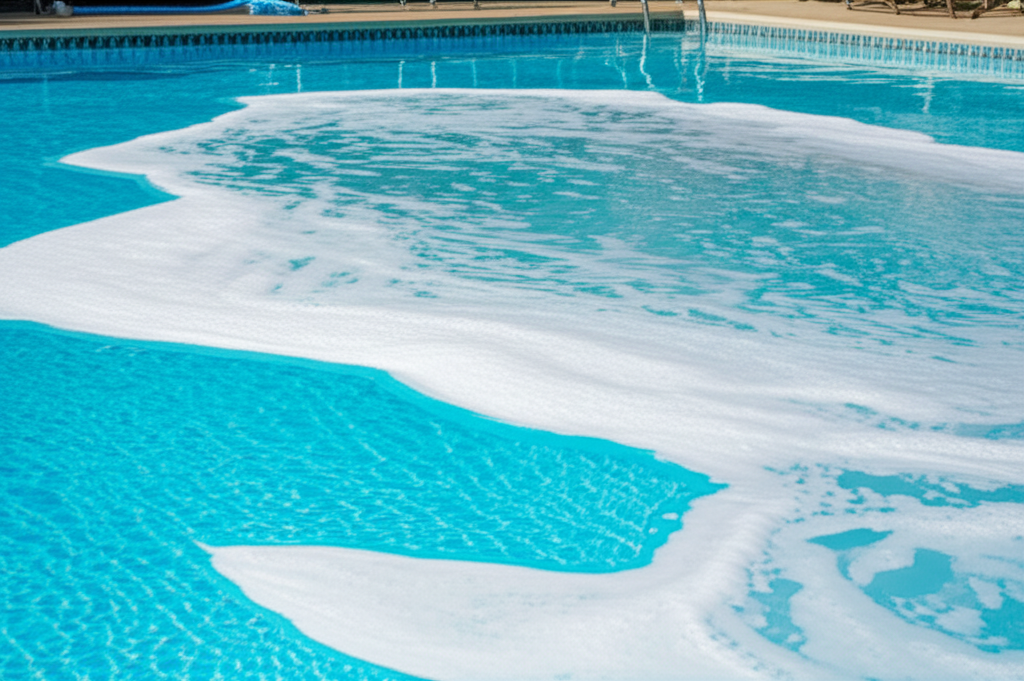
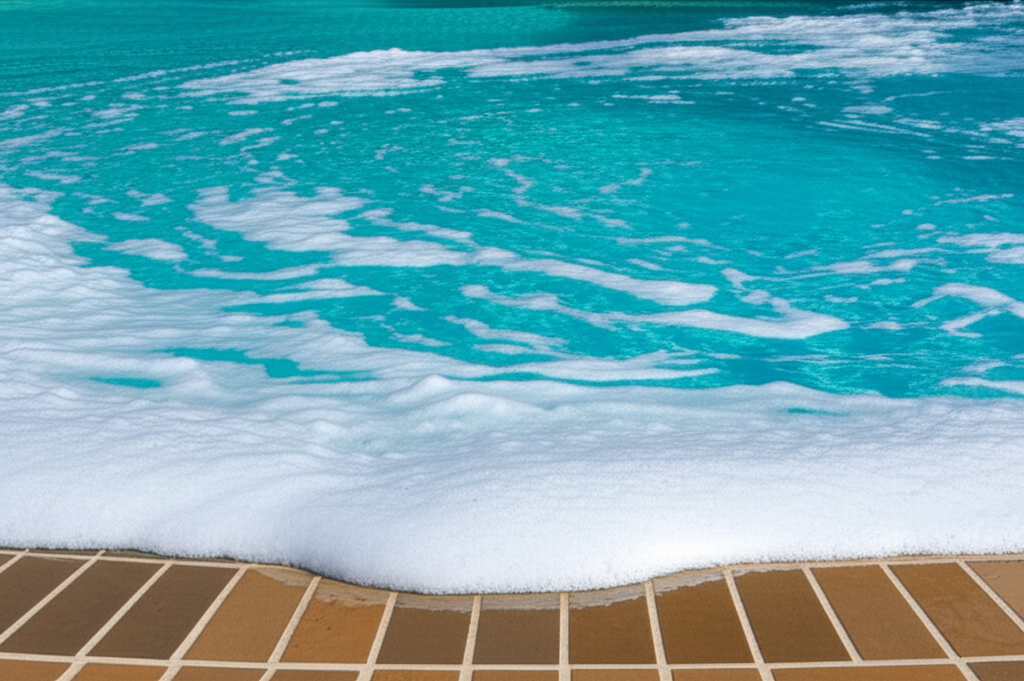
A foamy pool can quickly turn a refreshing oasis into a perplexing eyesore. That persistent layer of suds on the surface isn’t just unsightly; it’s a clear indicator that something is amiss with your pool’s chemistry, cleanliness, or filtration. Understanding the root causes of pool foam is the first step toward reclaiming your crystal-clear water and ensuring a healthy swimming environment for everyone. While seemingly innocuous, unaddressed foam can lead to further problems, making proactive identification and treatment essential.
Diving Deep: What Makes a Pool Foamy?
The presence of foam is generally due to “surfactants” – substances that reduce the surface tension of water, allowing air bubbles to last longer and accumulate. These surfactants can originate from a variety of sources, many of which are common in and around a swimming pool. Identifying which specific culprits are at play is key to effective remediation.
1. Imbalanced Water Chemistry
This is arguably the most common and often overlooked cause. Your pool’s water chemistry is a delicate balance, and when it goes awry, foam can be a significant symptom.
Low Calcium Hardness: If your water is too “soft” (meaning calcium hardness levels are too low, ideally between 200-400 ppm), it lacks essential minerals. Soft water can become aggressive, seeking minerals from pool surfaces and allowing foam to persist more easily.
High pH/Alkalinity: While less direct, very high pH and alkalinity can sometimes contribute to poor sanitizer efficiency, allowing other issues that cause foam to proliferate.
Excessive Organics & Contaminants: When your sanitizer (chlorine or bromine) is constantly battling a high organic load, it produces chloramines. These, along with unoxidized organic materials, can act as surfactants.
2. Organic Contaminants and Bather Load
Every swimmer introduces a host of organic compounds into the water, and these are powerful foam-creators.
Body Oils, Lotions, and Cosmetics: Suntan lotions, body oils, hair products, makeup, deodorants, and even natural skin oils are all rich in surfactants. When these wash off swimmers, they collect on the water’s surface and readily trap air bubbles.
Soap and Detergent Residue: Swimsuits often carry residual laundry detergent or fabric softener even after rinsing. These sudsy chemicals are designed to create lather, and they’ll do the same in your pool.
Sweat and Urine: While less appealing to think about, these bodily fluids add to the organic load, consuming sanitizer and contributing to the problem.
3. Environmental Factors
Your pool is an outdoor environment, susceptible to external influences.
Pollen and Debris: Fine organic matter like pollen, leaves, grass clippings, and dust can break down, releasing organic compounds that act as surfactants.
Rainwater Runoff: Heavy rainfall can introduce contaminants from surrounding areas, alter your pool’s chemistry, and dilute sanitizers, indirectly contributing to foam.
4. Air Entrapment and Turbulence
Sometimes, the issue isn’t what’s in the water, but how air is interacting with it.
Jets, Waterfalls, and Spillways: Any feature that significantly agitates the water surface can introduce air. If surfactants are present, this aeration will create and sustain foam.
Low Water Level: If your water level drops too low, your skimmer can start sucking in air along with water, injecting bubbles into the system that can become foam if surfactants are present.
Malfunctioning Equipment: A leaky pump seal or air suction leak elsewhere in the plumbing system can introduce air into the circulation, leading to excessive bubbles.
5. Old or Incompatible Pool Chemicals
Not all pool chemicals are created equal, and some can have unintended side effects.
Expired or Overdosed Algaecides: Many common algaecides contain surfactants to help them disperse and penetrate algae cells. Using too much, or using an algaecide that has degraded, can leave behind foam-producing residues. Non-foaming algaecides are available, specifically to avoid this issue.
Low-Quality or Off-Brand Chemicals: Cheaper chemicals might contain fillers or ingredients that aren’t ideal for pool water and can contribute to foaming.
Chemical Reaction Byproducts: Certain chemical reactions, especially in highly contaminated pools, can produce compounds that reduce surface tension.
6. High Total Dissolved Solids (TDS)
Over time, your pool water accumulates an increasing amount of dissolved substances – minerals from source water, chemical byproducts, discarded organics, and salts. When TDS levels become excessively high (typically above 1500-2000 ppm above initial fill, or over 3000 ppm total), the water struggles to maintain its clarity and balance. High TDS can make the water “heavy” and less responsive to sanitizers, indirectly contributing to the conditions where foam can thrive.
Action Plan: How to Address a Foamy Pool
Once you’ve identified potential causes, it’s time to take action.
1. Test Your Water Thoroughly: Start with a comprehensive water test: pH, alkalinity, calcium hardness, chlorine/bromine levels, and cyanuric acid (CYA). Adjust any values that are out of range. Pay particular attention to calcium hardness.
2. Shock Your Pool: A heavy dose of chlorine (shock treatment) will oxidize organic contaminants and break down chloramines, removing many of the foam-causing surfactants.
3. Clean Your Filter: Backwash sand filters, rinse DE grids, or clean cartridge filters. A dirty filter reduces circulation efficiency and can house organic matter.
4. Consider a Pool Defoamer: For an immediate, albeit temporary, solution, a defoamer can break down existing foam. However, this doesn’t address the root cause, so combine it with other steps.
5. Encourage Pre-Swim Showers: Educate swimmers about rinsing off lotions, oils, and sweat before entering the pool. This significantly reduces the organic load.
6. Increase Circulation and Maintenance: Ensure your pump runs long enough each day to turn over the water effectively and regularly skim, brush, and vacuum your pool.
7. Partial Drain and Refill: If all else fails, especially with high TDS or persistent chemical issues, partially draining and refilling your pool with fresh water can dilute contaminants and reset your water chemistry. This is often the ultimate solution for a stubborn foamy pool.
8. Re-evaluate Chemical Product Usage: Review your use of algaecides and other specialty chemicals. Ensure they are compatible and used according to manufacturer instructions.
Preventing Future Foamy Pool Issues
Maintaining a clean and balanced pool is the best defense against foam. Regular water testing and adjustment, consistent filtration, routine cleaning, and proper bather hygiene will keep your pool water pristine and foam-free, ensuring your swimming experience remains refreshing and worry-free.