- Why a Pool Permit is Non-Negotiable
- Understanding the Core Requirements for Your Building Permit
- Navigating the Pool Permit Process: A Step-by-Step Guide
- Tips for Effortless & Fast Approvals
- Beyond the Permit: Ensuring Ongoing Compliance
The Pool Permit Process is often perceived as a labyrinth of bureaucracy, a necessary evil standing between you and your dream backyard oasis. However, by understanding the steps, preparing diligently, and working with the right professionals, securing your approval can be a much more straightforward and even fast experience. Far from being mere red tape, the permit process is crucial for ensuring safety, compliance, and the long-term enjoyment of your pool.
Why a Pool Permit is Non-Negotiable
Before diving into the specifics of application, it’s vital to grasp why a permit is not just a suggestion, but a fundamental requirement. Local governments implement pool regulations to protect homeowners, their neighbors, and the wider community. These regulations address several critical aspects:
Safety: This is paramount. Permits ensure that structural integrity, proper electrical wiring, plumbing, and safety features like adequate fencing and gate alarms meet stringent standards, significantly reducing the risk of accidents, especially drownings.
Property Value & Compliance: An unpermitted pool can become a nightmare during a home sale, potentially leading to costly retrofits, fines, or even the requirement to remove the structure. A valid permit confirms your pool adheres to zoning laws, setback requirements, and community aesthetic guidelines, protecting your investment.
Insurance: Most homeowner insurance policies require that any substantial addition, like a pool, be properly permitted and inspected. Without a permit, you might find your pool isn’t covered in the event of damage or liability claims.
Environmental Protection: Permits often address drainage and water runoff issues, preventing your pool from negatively impacting neighboring properties or local ecosystems.
Understanding the Core Requirements for Your Building Permit
Each municipality will have its own specific requirements, making your initial step always to consult your local building department or planning office. However, some common elements consistently appear across various jurisdictions as part of the Building Permit application:
Detailed Site Plan: This crucial document shows your property lines, existing structures, proposed pool location, equipment pad, decking, fencing, and any relevant easements or setbacks. It must accurately reflect exact measurements.
Engineering and Construction Drawings: These plans detail the pool’s structure, materials, plumbing, electrical connections, and grading. For complex designs or specific soil conditions, structural engineering certifications may be required.
Equipment Specifications: Information on your chosen pump, filter, heater, sanitization system, and any other electrical components will be needed to ensure they meet local codes.
Fencing Plan: A critical safety component, your fence plan must show height (typically 4-5 feet), self-closing, self-latching gates, and compliance with barrier regulations to prevent unsupervised access.
Contractor Information: Details of your licensed and insured pool builder or contractor are usually required. Often, the contractor will handle the permit application on your behalf.
Homeowner Acknowledgement: You may need to sign documents acknowledging responsibility for compliance and understanding the risks.
Particular attention must be paid to pool regulations concerning setbacks (how close the pool can be to property lines, septic systems, or wells), maximum impervious surface coverage, and potential tree protection ordinances.
Navigating the Pool Permit Process: A Step-by-Step Guide
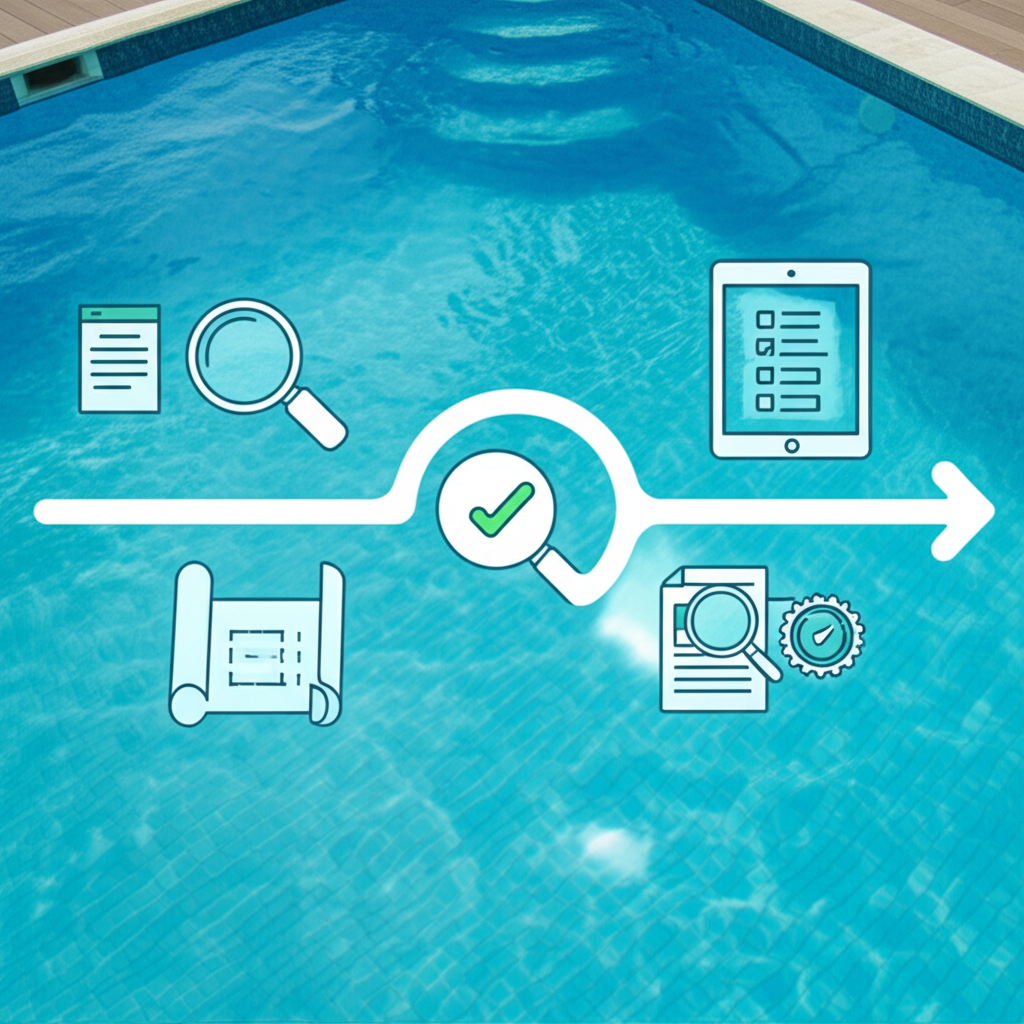
While specifics vary, the general flow of the Pool Permit Process follows a predictable path:
1. Phase 1: Research and Preparation (The Foundation of Fast Approvals)
Contact Local Authorities: Begin by visiting or calling your local building department. Inquire about their specific requirements for a pool permit. Ask for checklists, application forms, and copies of relevant ordinances.
Engage Professionals: Consider hiring an experienced pool builder, architect, or civil engineer early. They are familiar with local codes and can help design your pool to meet all requirements, preparing accurate plans and documentation.
Gather Documentation: Collect all necessary plans, specifications, and supporting documents. Ensure they are complete, accurate, and legible. Incomplete applications are the primary cause of delays.
2. Phase 2: Application Submission
Complete the official permit application form.
Submit all gathered documentation, often in multiple copies.
Pay the required application fees. These fees vary widely based on the project’s scope and municipality.
3. Phase 3: Plan Review and Revisions
Your submitted plans will be reviewed by various departments (e.g., building, zoning, electrical, plumbing) to ensure compliance with all applicable codes.
Expect questions or requests for revisions. This is normal. Respond promptly and thoroughly to avoid further delays. Clarifications or minor adjustments can often be handled quickly.
4. Phase 4: Permit Issuance
Once all reviews are complete and plans are approved, your Building Permit will be issued. This document must be prominently displayed at the construction site. It’s your green light to begin construction.
5. Phase 5: Inspections During Construction
Throughout the construction phases, various inspections will be required. These typically include:
Rough/Pre-Gunite Inspection: After excavation and rebar installation, but before concrete application, to check structure.
Plumbing/Electrical Rough-in: Before plumbing and electrical lines are covered, to ensure proper connections and grounding.
Bonding Inspection: To ensure all metal components are properly bonded.
Decking/Fencing Inspection: After installation to verify compliance with safety regulations.
Final Inspection: After all construction is complete, before filling the pool, to ensure everything meets code and safety standards.
Tips for Effortless & Fast Approvals
To truly make the Pool Permit Process as smooth as possible, consider these strategies:
Know Before You Go: Don’t guess. Research your local codes thoroughly before designing or submitting anything.
Accuracy is Key: Meticulously review all plans and applications for errors or omissions. A complete and accurate submission is the single most significant factor in speeding up approval times.
Leverage Professionals: An experienced pool builder, architect, or permit expediter can save you immense time and frustration. They know the local landscape, what reviewers look for, and how to present information correctly.
Maintain Open Communication: Be responsive to calls, emails, or requests from the permit office. A proactive approach can prevent minor issues from becoming major holdups.
Consider Pre-Application Meetings: Some municipalities offer complimentary consultations where you can discuss your project with a planner before formally applying. This can highlight potential issues early.
Build a Buffer: Even with perfect planning, unexpected delays can occur. Factor in a realistic timeline for permit approval when planning your pool project.
Beyond the Permit: Ensuring Ongoing Compliance
Once your Building Permit has been issued and construction commences, remember that adherence to the approved plans* is crucial. Deviations without proper notification and approval can lead to failed inspections, fines, and even a stop-work order. Your pool builder will typically schedule the necessary inspections. Upon successful completion of the final inspection, you will receive a certificate of completion or occupancy, signaling that your pool is officially ready for enjoyment.
While the Pool Permit Process might seem complex, approaching it systematically, with thorough preparation and the right support, can lead to a surprisingly effortless and fast approval. Your diligence ensures a beautiful, safe, and legally compliant pool that will provide years of enjoyment.