- More Than Just Blue: Understanding the Factors Influencing Pool Color
- The Liner or Surface Material's Role
- Environmental Reflections
- Depth and Sunlight
- Water Quality and Chemistry
- Demystifying Pool Water Color: What Does it Really Mean?
- Choosing Your Perfect Pool Color: A Guide to Aesthetics and Atmosphere
- Maintaining Your Desired Pool Color (and Addressing Unwanted Hues)
- Clear Water is Key
- Dealing with Green Water
- Dealing with Cloudy Water
- Dealing with Stains and Discoloration
Pool Color: the visual masterpiece that defines your backyard oasis, far exceeding mere aesthetics. It’s the silent storyteller of your pool’s personality, influencing not only its beauty but also the inviting warmth of the water, the ambiance it creates, and even the perceived cleanliness. Understanding the myriad factors that contribute to your pool’s hue is the first step toward crafting the perfect aquatic haven.
More Than Just Blue: Understanding the Factors Influencing Pool Color
While many dream of that quintessential tranquil blue, the final water color is a complex interplay of several elements. It’s rarely just one material or one environmental condition working in isolation; rather, it’s a symphony of influences that culminates in the visual experience you get every time you look at your pool.
The Liner or Surface Material’s Role
The most significant and foundational factor in determining your pool’s water color is the color of its interior surface. Whether it’s a vinyl liner, plaster, pebble, or tile finish, this base layer sets the stage.
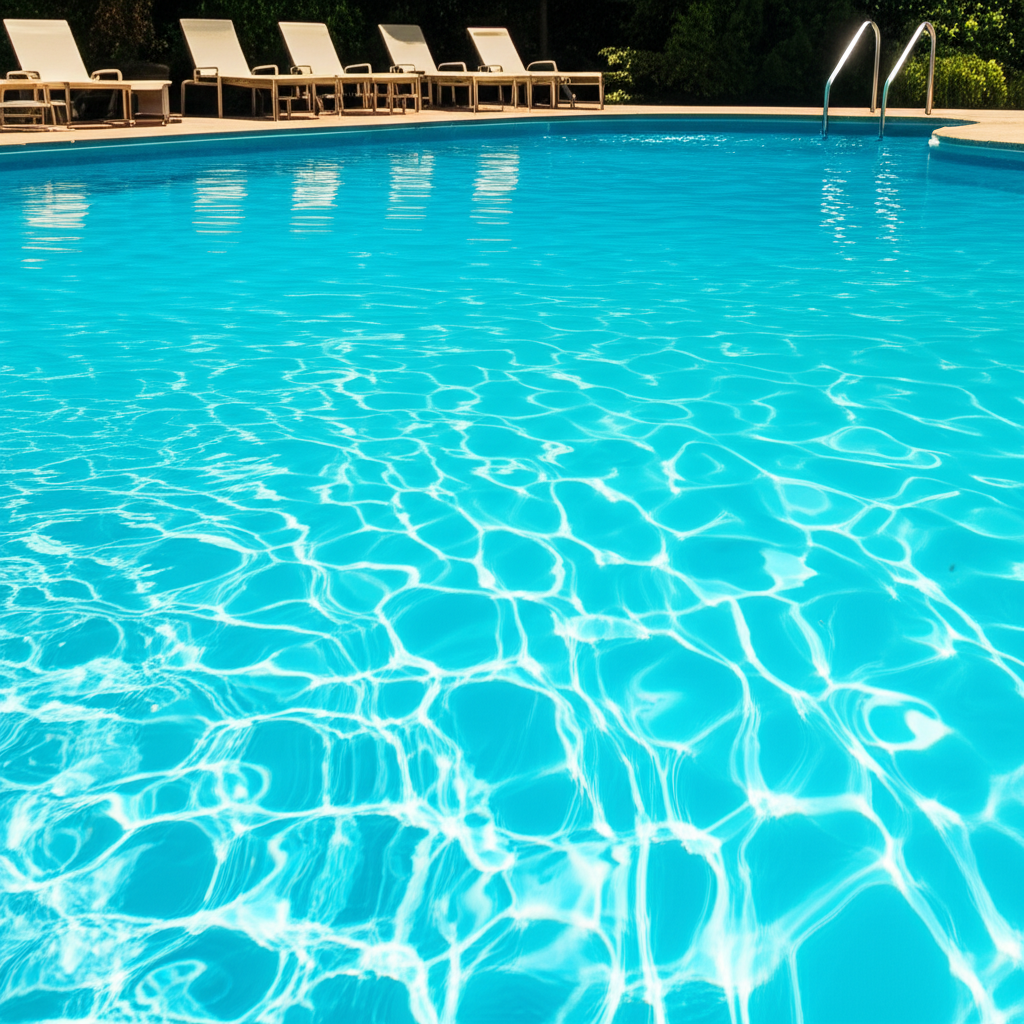
White or Light Blue Surfaces: These are the most common and create that iconic, brilliant blue. White plaster reflects sunlight most effectively, making the water appear vibrant and inviting, often leaning towards a sky-blue or aqua hue.
Medium Blue Surfaces: These can achieve a slightly deeper, more traditional blue, reminiscent of ocean waters.
Dark Blue Surfaces: For a deep, majestic blue, akin to tropical deep seas, darker blue surfaces are chosen. These pools tend to absorb more heat, often resulting in warmer water.
Grey Surfaces: Modern and chic, grey surfaces lend a sophisticated, slightly metallic blue or steel-grey water color. They can create a very contemporary feel.
Black Surfaces: These can produce a striking mirror-like effect, reflecting the sky and surrounding landscape, or a very deep, enigmatic blue-black. Black surfaces are highly effective at absorbing solar heat.
Sand or Tan Surfaces: For those dreaming of a natural lagoon or a beach entry, sand-colored surfaces are ideal. They produce beautiful turquoise and green-blue hues, mimicking shallow coastal waters.
Environmental Reflections
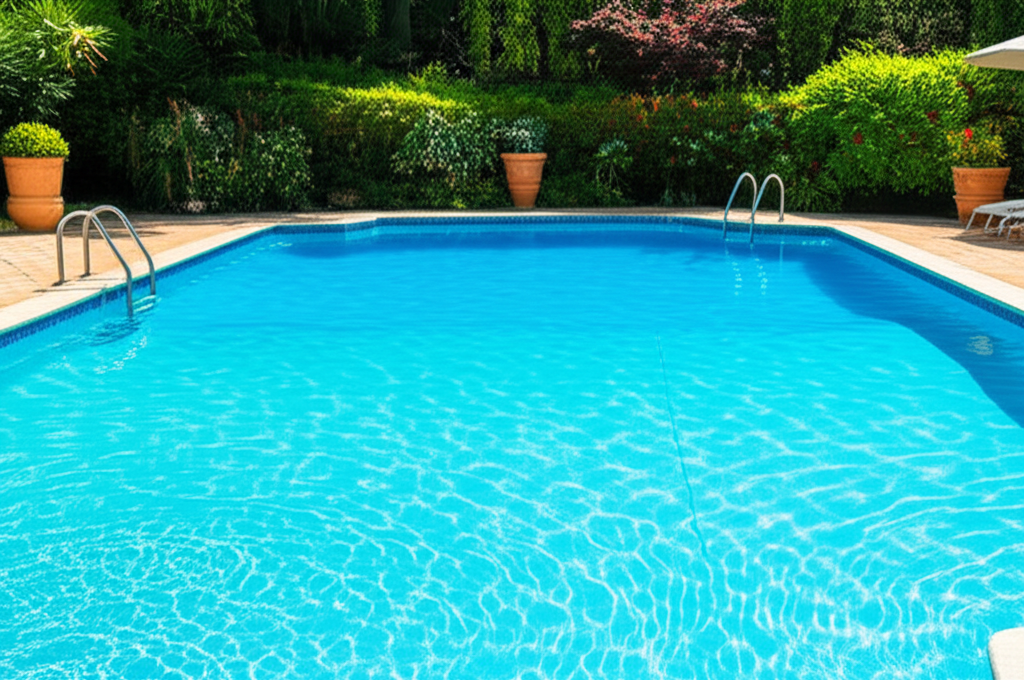
Your pool doesn’t exist in a vacuum; it’s an integral part of your outdoor living space. The surrounding environment plays a substantial role in influencing the perceived water color. Lush green trees, a vibrant garden, a clear blue sky, or even the color of your deck material can all reflect onto the water’s surface, subtly altering its hue. A pool surrounded by dense foliage might pick up more green tones, even if its base is blue.
Depth and Sunlight
The depth of your pool significantly impacts how its color is perceived. Deeper sections of the pool will always appear darker than shallower areas, primarily because there’s more water for light to travel through and refract. Sunlight, too, is a dynamic artist. On a bright, sunny day, the water will sparkle and appear lighter and more vibrant. On an overcast day, or in the shade, the colors will deepen and become more muted. The angle of the sun throughout the day also causes shifts in the pool color.
Water Quality and Chemistry
This is where the actual water itself comes into play. While the liner sets the base, the clarity and chemical balance of your water can profoundly alter its perceived color. Clear, sparkling water is crucial for exhibiting the intended aesthetic. Imbalances, contaminants, or algae can quickly transform your perfect pool into an eyesore.
Demystifying Pool Water Color: What Does it Really Mean?
The seemingly infinite shades of blue in pools are often an optical illusion. Pure water, in reality, is colorless. The blue we perceive is a result of light absorption and scattering. Water primarily absorbs red spectrum light, allowing blue light to penetrate deeper and scatter back to our eyes. This effect is amplified by the depth and by the reflective properties of the pool’s surface.
For instance, a white-plastered pool will bounce back the scattered blue light most intensely, creating a brilliant, almost impossibly clear blue. A pool with a tan or sand-colored liner, on the other hand, will add yellow and brown tones to the scattered blue light, resulting in those inviting lagoon green or aquamarine colors. It’s the interaction of the water’s natural properties with your chosen surface material and ambient light that creates the magic.
Choosing Your Perfect Pool Color: A Guide to Aesthetics and Atmosphere
Selecting the right pool color is a pivotal decision that will define your swimming experience for years to come. Consider the overall style of your home and landscaping, as well as the mood you want to evoke.
The Classic Blue (White/Light Blue Finish): Timeless, refreshing, and universally appealing. This choice evokes a sense of cleanliness and traditional pool luxury. Perfect for almost any backyard aesthetic.
Vibrant Tropical Teal (Medium to Dark Blue Finish): Lively and exotic, this color transports you to a resort getaway. It creates an energetic yet tranquil vibe, especially beautiful under bright sunlight.
Deep Lagoon Green (Sand/Tan Finish): Natural, serene, and grounding. If you envision a natural swimming hole or a rustic, organic feel, this color blends seamlessly with lush landscaping and natural stone.
Elegant Grey/Black (Dark Grey/Black Finish): Modern, sophisticated, and dramatic. These colors create a reflective surface that often mirrors the sky, giving a sense of depth and architectural beauty. They also excel at heat absorption.
Bright & Sparkling Aqua (Light Blue/White Aggregate Finish): Crisp, inviting, and almost luminous. These finishes enhance the water’s perceived brilliance for a truly sparkling effect.
Maintaining Your Desired Pool Color (and Addressing Unwanted Hues)
While your chosen surface dictates the intended pool color, maintaining that perfect hue requires diligent care. The goal is always crystal-clear water, allowing your chosen aesthetic to shine through.
Clear Water is Key
Regular filtration, proper chemical sanitation (chlorine, salt systems, etc.), and professional water testing are non-negotiable. A clean filter, balanced pH, alkalinity, and sanitizer levels ensure optimal water clarity.
Dealing with Green Water
The most common culprit for unwanted green water is algae. This indicates a sanitation problem. Addressing it typically involves:
Shocking the Pool: A high dose of chlorine to kill algae.
Algaecide: To assist in algae destruction and prevention.
Brushing and Filtering: Thoroughly brush walls and floor, then run your filter continuously.
Dealing with Cloudy Water
Cloudy or milky water suggests poor filtration, inadequate sanitation, or imbalanced chemistry.
Check Filter: Ensure it’s clean and functioning correctly. Backwash sand filters, clean cartridge filters.
Balance Chemistry: Test and adjust pH, alkalinity, and calcium hardness.
Flocculants/Clarifiers: These products help microscopic particles clump together so your filter can catch them.
Dealing with Stains and Discoloration
Sometimes the water itself looks odd due to dissolved metals or organic stains.
Rusty/Brown/Green Water: Often caused by high iron or copper levels in the water, which can oxidize and stain surfaces or tint the water. Use a metal sequestrant to bind these metals and prevent staining, and specific stain removers for existing marks.
* Organic Stains: Leaves, berries, or other organics can leave localized stains. Specific stain removers are available depending on the type of stain.
Ultimately, achieving the perfect pool color is a blend of thoughtful design choices and consistent, effective maintenance. By understanding how surface materials, environmental factors, and water quality interact, you can create and sustain a backyard retreat that is as visually stunning as it is inviting.