- Understanding the Risks: More Than Just an Accident
- Understanding Homeowners Insurance and Pool Liability
- Boosting Your Protection with Umbrella Insurance
- Proactive Pool Safety and Risk Management
- Choosing the Right Policy and Partner
Pool liability is a critical concern for any homeowner fortunate enough to have a swimming pool. While a backyard oasis offers immense pleasure, relaxation, and entertainment, it also introduces significant risks that can lead to unforeseen financial and legal challenges. Understanding these risks and ensuring you have adequate protection through your homeowners insurance policy is not just advisable, it’s absolutely essential.
The allure of a refreshing dip on a hot day, the joy of children splashing, and the social hub a shared pool creates are undeniable benefits of pool ownership. However, beneath the sparkling surface lies a profound responsibility. A swimming pool, by its very nature, carries inherent dangers, from slips and falls on wet surfaces to diving accidents, and tragically, the risk of drowning. Even with the strictest safety measures in place, accidents can and do happen. When they do, the financial repercussions can be staggering, making robust personal liability coverage a non-negotiable aspect of your overall home protection strategy.
Understanding the Risks: More Than Just an Accident
The legal concept of “attractive nuisance” often comes into play with swimming pools. This doctrine primarily applies to children and implies that certain features on your property might entice young trespassers, even if they’re not explicitly invited. As a pool owner, you have a heightened duty of care to protect individuals who might be drawn to your property, intentional or not. This means you could be held liable for injuries sustained by uninvited guests, especially children, if proper precautions aren’t in place.
Beyond uninvited guests, you are responsible for the safety of anyone you invite onto your property. A BBQ with friends, a child’s birthday party, or even a simple family gathering quickly elevates your risk exposure. Should someone sustain an injury – a slip on the deck, a cut from broken glass, or a more severe incident like a spinal cord injury from an unsupervised dive – you could face significant medical bills, rehabilitation costs, lost wages, and potentially pain and suffering claims. These expenses can quickly escalate into hundreds of thousands, or even millions, of dollars.
Understanding Homeowners Insurance and Pool Liability
This is where your homeowners insurance policy becomes your first line of defense. Standard homeowners policies typically include personal liability coverage, designed to protect you financially if you or a member of your household are found legally responsible for bodily injury or property damage to others. When it comes to a pool, this coverage is pivotal.
The liability section of your homeowners insurance policy will generally cover:
Medical expenses: For injuries sustained by a guest on your property, including those related to your pool.
Legal defense costs: If you are sued, your policy will often cover the costs of your legal defense, regardless of whether you are found liable.
Settlements and judgments: Up to your policy limits, it will pay for damages if you are found legally responsible for an injury.
It’s crucial to understand the limits of your standard personal liability coverage. Most basic policies offer between $100,000 and $300,000 in liability protection. While this might seem substantial, consider the potential cost of a serious injury like a traumatic brain injury or paralysis. Medical care, rehabilitation, and long-term care for such incidents can quickly exhaust these limits, leaving you personally responsible for the remainder.
Boosting Your Protection with Umbrella Insurance
For pool owners, particularly those with higher assets or who frequently host guests, standard homeowners insurance limits often simply aren’t enough. This is where an umbrella insurance policy becomes an invaluable asset. An umbrella policy provides an extra layer of liability protection that kicks in when the liability limits of your primary policies (like homeowners or auto insurance) are exhausted.
For example, if a severe pool accident results in a lawsuit for $1.5 million and your homeowners insurance policy only provides $300,000 in liability coverage, an umbrella policy could cover the remaining $1.2 million (assuming you have sufficient umbrella coverage). These policies typically offer coverage in increments of $1 million, for a surprisingly affordable annual premium. Given the heightened risks associated with pool ownership, an umbrella policy offers peace of mind and robust financial protection against catastrophic claims.
Proactive Pool Safety and Risk Management
Beyond securing adequate pool liability insurance, active risk management is paramount. Implementing safety measures can significantly reduce the likelihood of an accident and strengthen your defense in the event of a claim.
Key safety measures include:
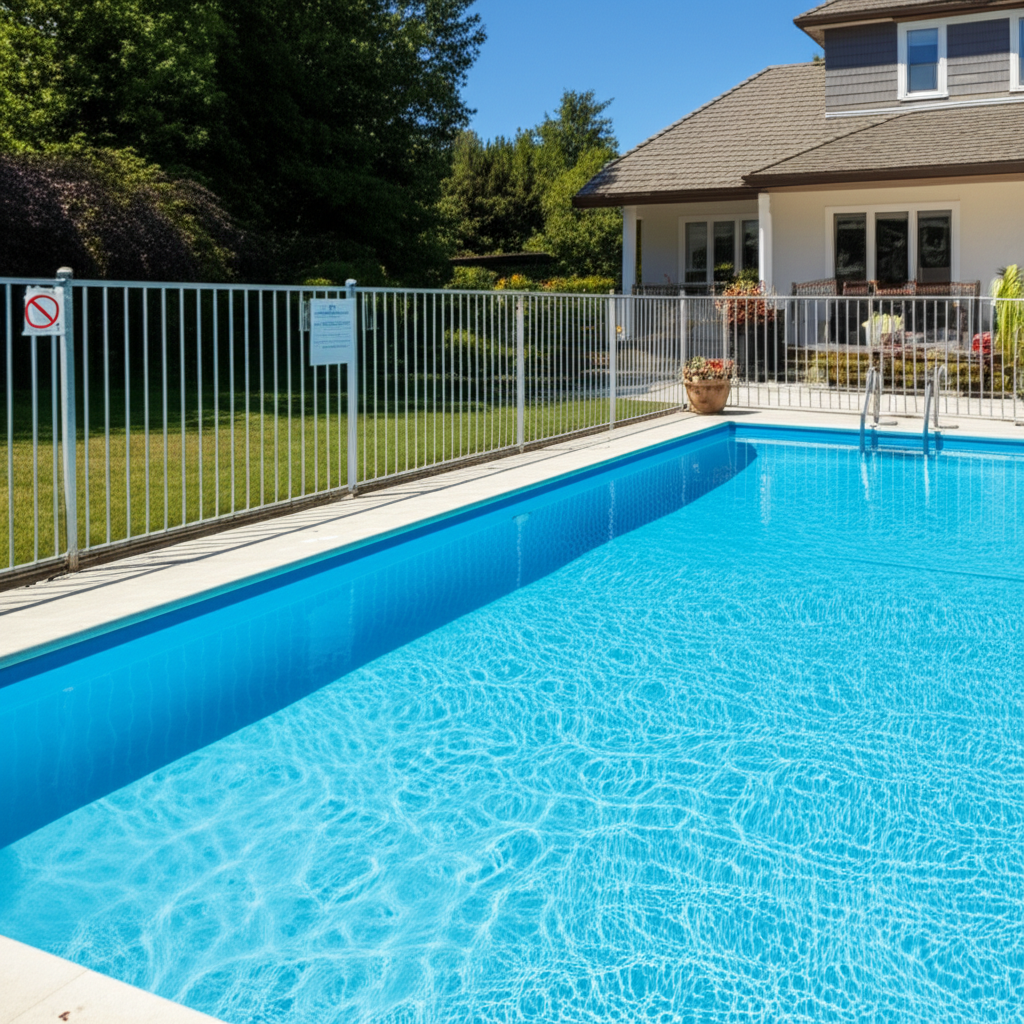
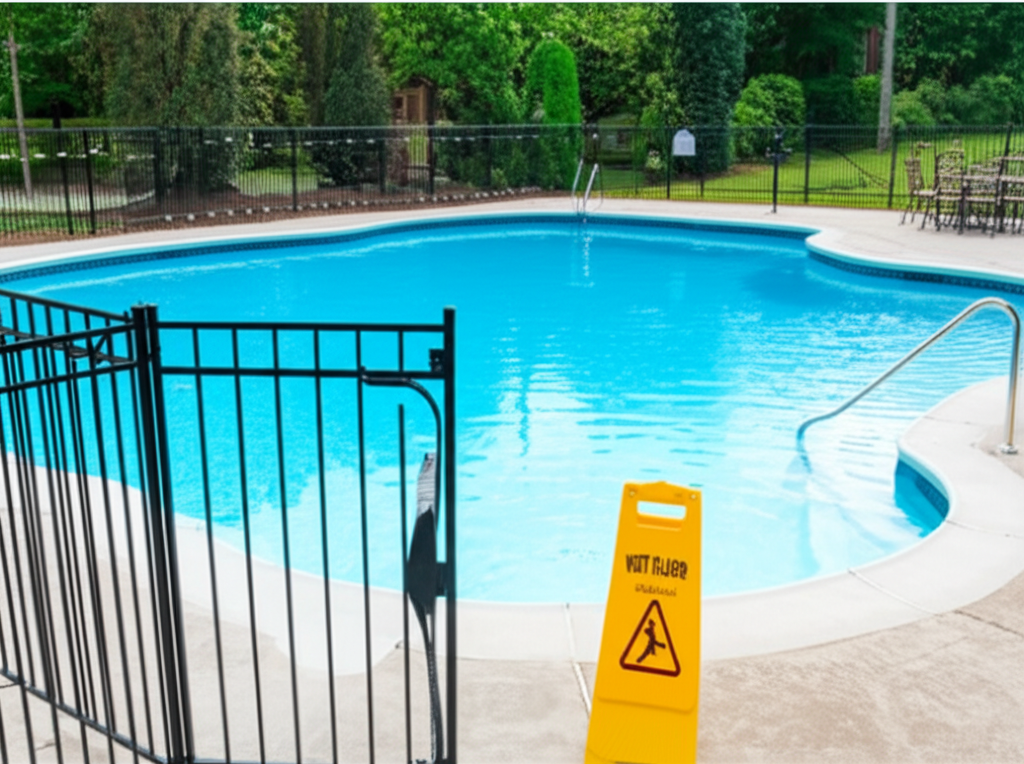
Secure Fencing: Most municipalities require a fence at least four feet high with self-latching gates around a pool. Check local codes for specific requirements.
Door Alarms: Install alarms on all doors and windows leading to the pool area to alert you if someone accesses the pool.
Safety Equipment: Keep life preservers, a shepherd’s hook, and a first-aid kit readily accessible.
Constant Supervision: Never leave children unattended in or near a pool. Consider hiring a lifeguard for large gatherings.
Clear Rules: Establish and enforce rules like “no running,” “no diving in shallow ends,” and “swim with a buddy.”
Proper Lighting: Ensure the pool area is well-lit for evening use.
Chemical Balance: Properly maintain water chemistry to prevent skin irritations, eye infections, and other health issues.
Maintenance: Keep decks clear of tripping hazards, pool covers secure when not in use, and equipment in good repair.
Warning Signs: Post clear signs about depth, no diving, and other safety instructions.
Choosing the Right Policy and Partner
When you have a pool, it’s crucial to have an open conversation with your insurance agent. Inform them about your pool’s type, size, depth, and any specific safety features you have installed. They can help you assess your risk exposure and recommend appropriate liability limits, including whether an umbrella policy is right for you. Some insurers may require specific safety measures (like a fence or alarms) as a condition of coverage or to qualify for lower premiums.
Failing to disclose your pool could lead to complications or even a denial of claims should an accident occur. Be thorough, ask questions, and ensure you fully understand your policy’s terms and limits. Compare quotes from different providers to find the best balance of coverage and cost.
In conclusion, a swimming pool can be a fantastic addition to any home, but it comes with significant responsibilities. By prioritizing robust homeowners insurance with ample liability coverage, considering an umbrella policy, and implementing vigilant safety practices, you can enjoy your aquatic paradise with fewer worries, knowing you’re well-protected against the unforeseen.