- What Defines a True Green Pool Experience?
- The Pillars of Eco-Friendly Pool Design
- Stunning Eco-Friendly Savings: Beyond the Initial Investment
- Designing Your Private Green Oasis
- Maintaining Your Green Pool
Green Pool initiatives are revolutionizing the way we think about aquatic leisure, transforming traditional, resource-intensive swimming areas into vibrant, sustainable ecosystems. Far from meaning an algae-ridden disaster, a true “green pool” signifies a commitment to environmental stewardship, offering a refreshing and healthy swimming experience alongside substantial long-term savings. This innovative approach to pool ownership combines cutting-edge technology with time-honored natural principles, proving that luxury and sustainability can indeed coexist beautifully.
What Defines a True Green Pool Experience?
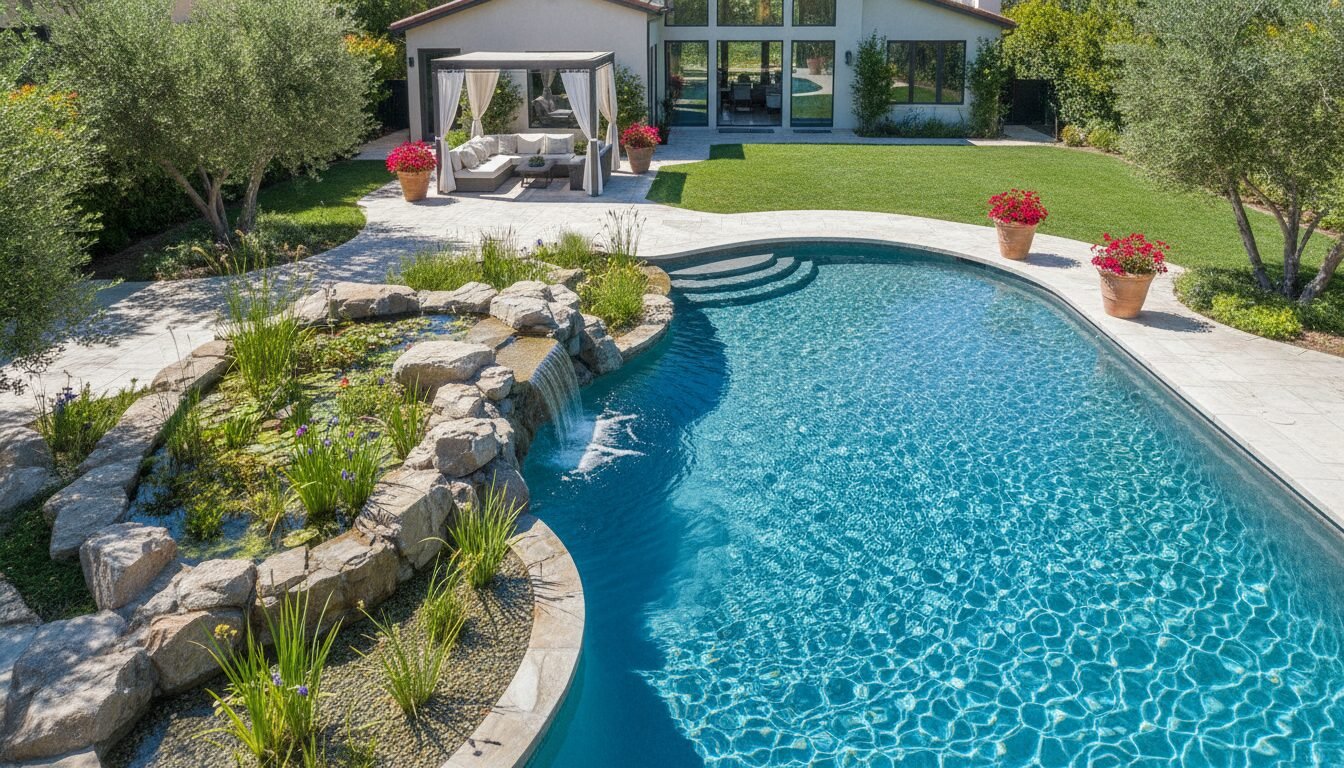
At its core, a green pool is designed to minimize its environmental footprint while maximizing its efficiency and health benefits. This goes far beyond simply turning off a light or reducing pump run-time. It encompasses a holistic philosophy that integrates natural filtration systems, optimizes energy and water consumption, and utilizes sustainable materials in its construction and upkeep. The result is a self-sustaining microcosm that often looks more like a natural pond or lagoon than a conventional chlorinated rectangle.
The primary distinction of many green pools is their reliance on biological filtration. Instead of harsh chemicals like chlorine, these systems employ a regeneration zone — an area typically separated from the main swimming zone by a submerged wall or planted shelf. Here, aquatic plants, beneficial microorganisms, and specific gravel layers work in harmony to naturally purify the water. The plants absorb nitrates and phosphates, starving algae, while the microbial communities break down organic matter and pathogens.
The Pillars of Eco-Friendly Pool Design
Achieving a truly sustainable aquatic haven involves several key components, each contributing to the overall efficiency and ecological balance. Understanding these pillars is crucial for anyone considering an Eco-Friendly Pool Design.
1. Natural Filtration Systems: This is arguably the most significant aspect. Whether it’s a full-blown natural swimming pond (NSP) with a dedicated regeneration zone or a hybrid system that reduces chemical reliance, biological filtration drastically cuts down on the need for chlorine and other sanitizers. This not only benefits the environment by preventing chemical discharge but also offers a healthier swimming experience, free from skin irritations and chemical odors.
2. Energy Efficiency: Pool pumps are notorious energy hogs. Green pool designs prioritize high-efficiency variable-speed pumps that can be programmed to run at lower speeds for longer durations, consuming significantly less electricity. Supplementary heating, if desired, often comes from solar thermal systems or highly efficient heat pumps rather than traditional gas heaters. Furthermore, automatic pool covers play a vital role in reducing heat loss and evaporation, further conserving energy and water.
3. Water Conservation: Evaporation is a major culprit in water loss for any pool. As mentioned, covers dramatically reduce this. Beyond that, rainwater harvesting systems can be integrated to top up the pool, reducing reliance on municipal water sources. Natural pools, with their living ecosystems, also tend to have a more stable water balance, requiring less frequent draining and refilling than chemically treated alternatives.
4. Sustainable Materials: The choice of materials for the pool itself, the surrounding decking, and landscaping elements is another critical consideration. Look for recycled or locally sourced materials, timber from sustainably managed forests, and non-toxic finishes. Permeable paving around the pool can also help manage rainwater runoff and reduce erosion.
Stunning Eco-Friendly Savings: Beyond the Initial Investment
While the upfront cost of an eco-friendly pool design might sometimes be comparable to or slightly higher than a traditional chemical pool, the Green Pool offers stunning long-term savings that quickly offset any initial investment.
Financial Rewards:
Reduced Chemical Costs: Eliminating or drastically reducing chlorine, algaecides, and pH balancers translates to hundreds, if not thousands, of dollars saved annually.
Lower Energy Bills: High-efficiency pumps and solar heating can slash electricity consumption, especially during peak seasons.
Water Bill Savings: Less evaporation, fewer backwashes (in non-NSP systems), and the potential for rainwater harvesting mean significant reductions in water usage.
Environmental Benefits:
Reduced Carbon Footprint: Less energy consumption directly lowers greenhouse gas emissions.
Chemical-Free Discharge: No harmful chemicals are introduced into local groundwater or drainage systems, protecting ecosystems.
Biodiversity Enhancement: Natural pools can become mini-ecosystems, attracting beneficial insects, birds, and amphibians, contributing to local biodiversity.
Health and Wellness Advantages:
Chemical-Free Swimming: Enjoy crystal-clear water without skin and eye irritation, respiratory issues, or the fading of swimwear associated with chlorine. This makes swimming a pure, unadulterated pleasure.
Natural Aesthetics: The organic beauty of a natural pool, often landscaped with native plants and natural stone, provides a tranquil, therapeutic environment that blends seamlessly with its surroundings.
Increased Property Value: A well-designed, sustainable green pool can be a unique selling point, appealing to environmentally conscious buyers and potentially increasing property value. It’s a statement of modernity and responsibility.
Designing Your Private Green Oasis
Embarking on an Eco-Friendly Pool Design journey requires careful planning. Consider your local climate, sun exposure, and the available space. Research different system types – from true natural swimming ponds managed solely by plants to hybrid systems that integrate minimal UV or ozone treatment for an added layer of sanitation in high-use scenarios. Consulting with experienced designers who specialize in natural or chemical-free pools is paramount to ensure the system is correctly sized, designed, and integrated into your landscape. They can guide you through plant selection, pump specification, and material choices to create a truly bespoke and sustainable swimming area.
Maintaining Your Green Pool
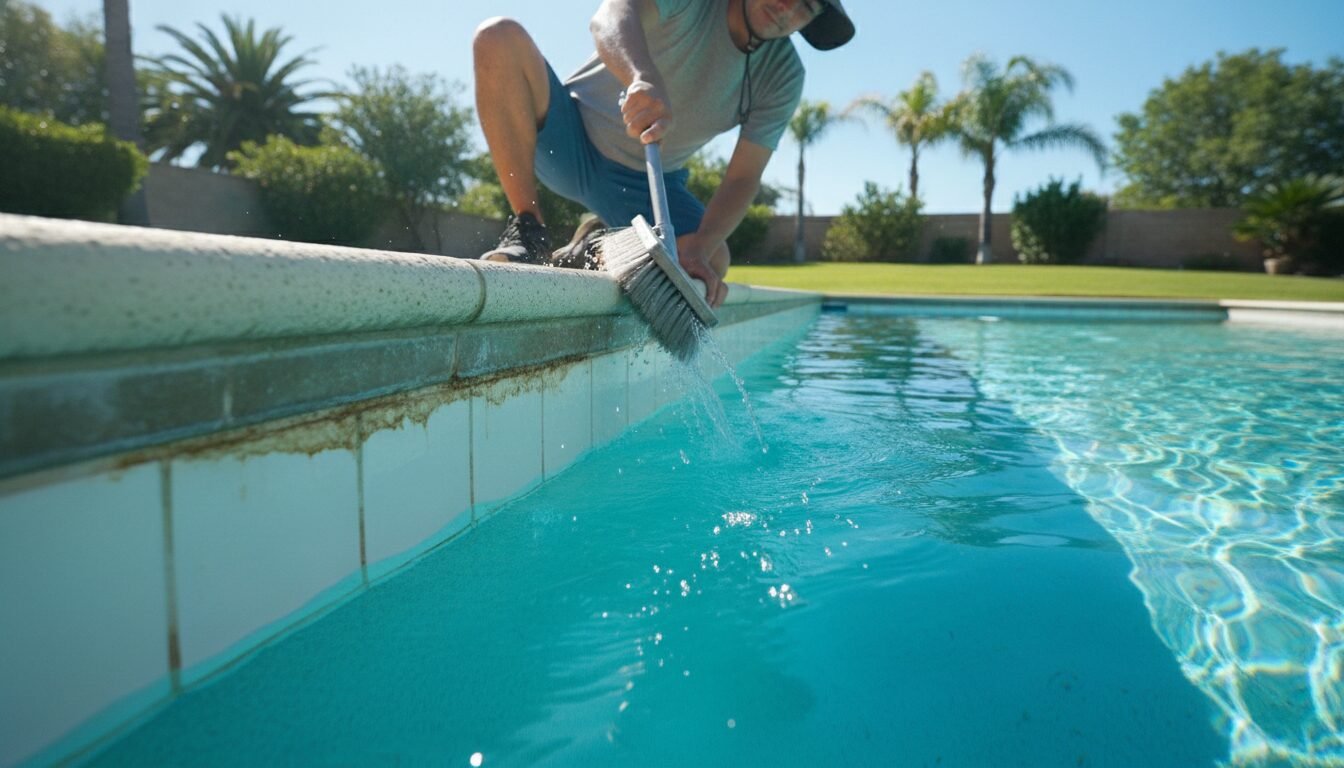
Maintenance for a green pool typically shifts from chemical balancing to ecological care. This includes tasks like skimming debris, pruning aquatic plants in the regeneration zone, and occasionally vacuuming the swimming area. While different from traditional pool maintenance, it’s often less about daily chemical checks and more about fostering a healthy living system.
In conclusion, the movement towards a Green Pool represents a significant step forward in sustainable living. It’s an investment that pays dividends not just in stunning eco-friendly savings for your wallet, but also in improved health, environmental responsibility, and the sheer joy of connecting with nature. A beautifully designed green pool is more than just a place to swim; it’s a living testament to a harmonious relationship between human design and the natural world, offering a truly refreshing escape that benefits everyone.