Monthly Pool Cost can often surprise homeowners, especially when the electricity bill arrives. While the allure of a refreshing dip is undeniable, the operational expenses, particularly those related to power consumption, can quickly turn a dream amenity into a budget concern. Understanding the primary drivers behind these costs is the first step toward effective management and significant savings.
A swimming pool involves several ongoing expenses, with utilities typically making up the lion’s share. Beyond the initial investment of installation, owners face regular outlays for chemicals, water top-ups due to evaporation and splash-out, routine cleaning, and occasional repairs. However, it is the electricity usage that often causes the most significant sticker shock, driven primarily by the tireless work of pool pumps, heaters, and lighting systems.
Dissecting Your Monthly Pool Cost
To truly rein in expenses, it’s vital to break down where your money is going. While chemicals and water are relatively predictable, the electricity cost fluctuates based on usage, equipment efficiency, and local utility rates.
Primary Contributors to Pool Electricity Usage:
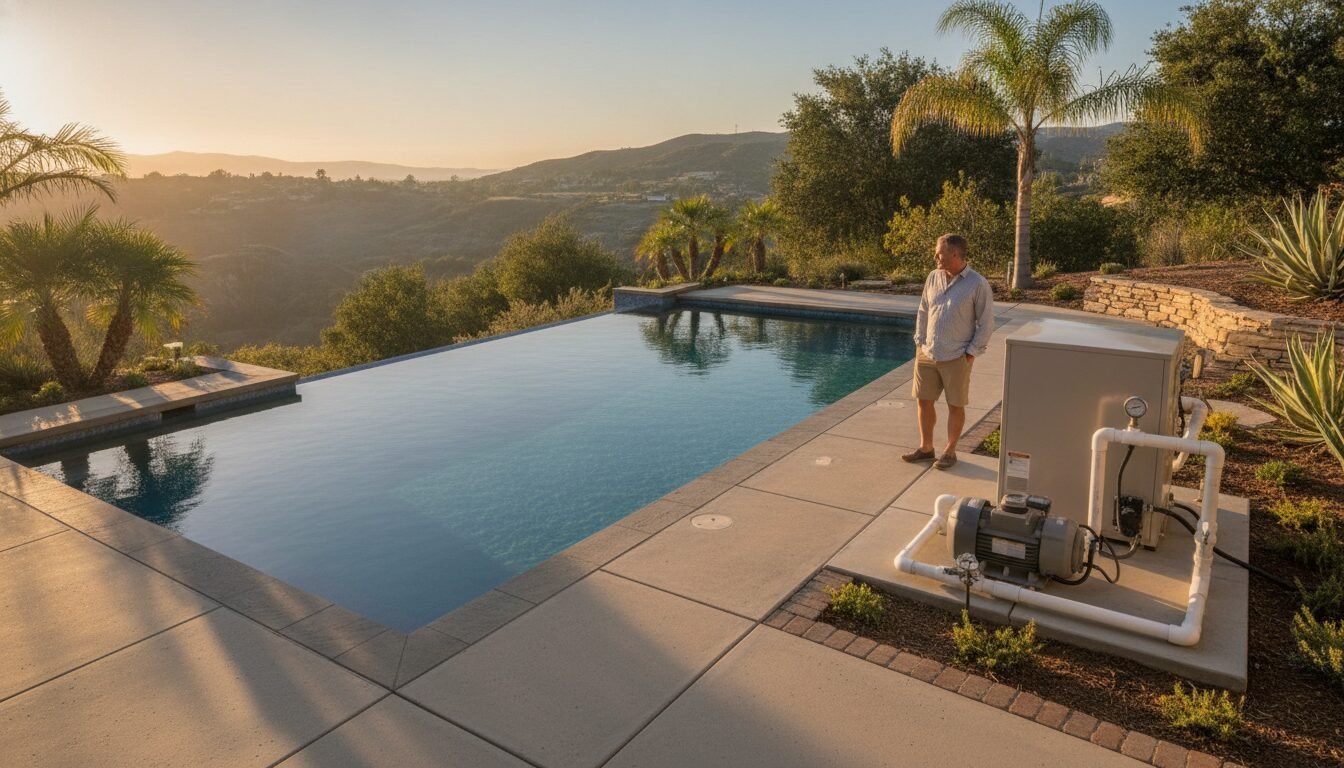
1. Pool Pump: This is, without a doubt, the biggest energy hog. It circulates water through the filter, keeping the pool clean and clear. Traditional single-speed pumps run at a constant, high RPM, consuming a substantial amount of power.
2. Pool Heater: If you enjoy extending your swimming season or prefer warmer water, a heater can dramatically increase your electricity bill, especially if it’s an electric-resistance or heat pump model being used frequently.
3. Pool Lighting: While often overlooked, older incandescent pool lights can draw significant power. Even LED lights, if left on unnecessarily, contribute to the cumulative cost.
4. Automatic Cleaners: While many robotic cleaners are energy-efficient, pump-driven cleaners add to the pump’s workload.
Strategies to Significantly Reduce Your Electricity Cost
The good news is that there are numerous effective strategies to cut down on your pool’s electrical consumption without sacrificing cleanliness or enjoyment.
1. Upgrade to a Variable-Speed Pool Pump (VSP):
This is arguably the most impactful change a pool owner can make. Unlike single-speed pumps, VSPs can operate at various speeds, allowing them to run at a lower, more energy-efficient setting for the majority of the time. This drastically reduces energy consumption—often by 75-90% compared to single-speed models—because the relationship between pump speed and energy use is not linear; even a small reduction in speed leads to significant energy savings. Many utility companies even offer rebates for VSP installations, further sweetening the deal.
2. Optimize Pump Run Times:
Even with a VSP, understanding how long to run your pump is crucial. Most residential pools only need their water filtered 1-1.5 times per day. The exact duration depends on pool size, bather load, and environmental factors. Instead of running the pump 24/7 or for excessively long periods, experiment with shorter cycles. Consider running it during off-peak electricity hours if your utility offers time-of-use billing. A good starting point is 6-8 hours a day, adjusting as needed to maintain water clarity.
3. Embrace Solar Covers and Alternative Heating:
If your pool has a heater, it’s a major draw on power.
Solar Blankets/Covers: These inexpensive accessories are incredibly effective. They trap solar heat, preventing heat loss (especially overnight), and significantly reduce evaporation, saving on both heating and water costs.
Solar Heaters: These systems use the sun’s energy to warm your pool water directly, offering a free and environmentally friendly heating solution.
Heat Pumps: While electric, modern heat pumps are far more efficient than traditional electric resistance heaters, extracting heat from the air to warm your water.
Strategic Heating: Only heat your pool when you plan to use it. Lowering the thermostat by a few degrees can also lead to noticeable savings.
4. Switch to LED Lighting:
Outdated incandescent pool lights are energy guzzlers. Replacing them with modern LED lights can reduce lighting electricity consumption by up to 80-90%. LEDs also last much longer, requiring less frequent replacement, and offer a wide array of colours to enhance your backyard ambiance. Don’t forget to use timers for your pool and landscape lighting to ensure they’re only on when needed.
5. Keep Your Filter Clean and Maintain Equipment:
A dirty or clogged filter forces your pump to work harder, consuming more electricity. Regularly cleaning or backwashing your filter ensures your pump operates at optimal efficiency. Similarly, keeping your skimmer and pump baskets free of debris helps maintain proper water flow, reducing strain on the pump. Regular professional maintenance can identify and address issues before they lead to costly repairs or inefficient operation.
6. Consider a Robotic Pool Cleaner:
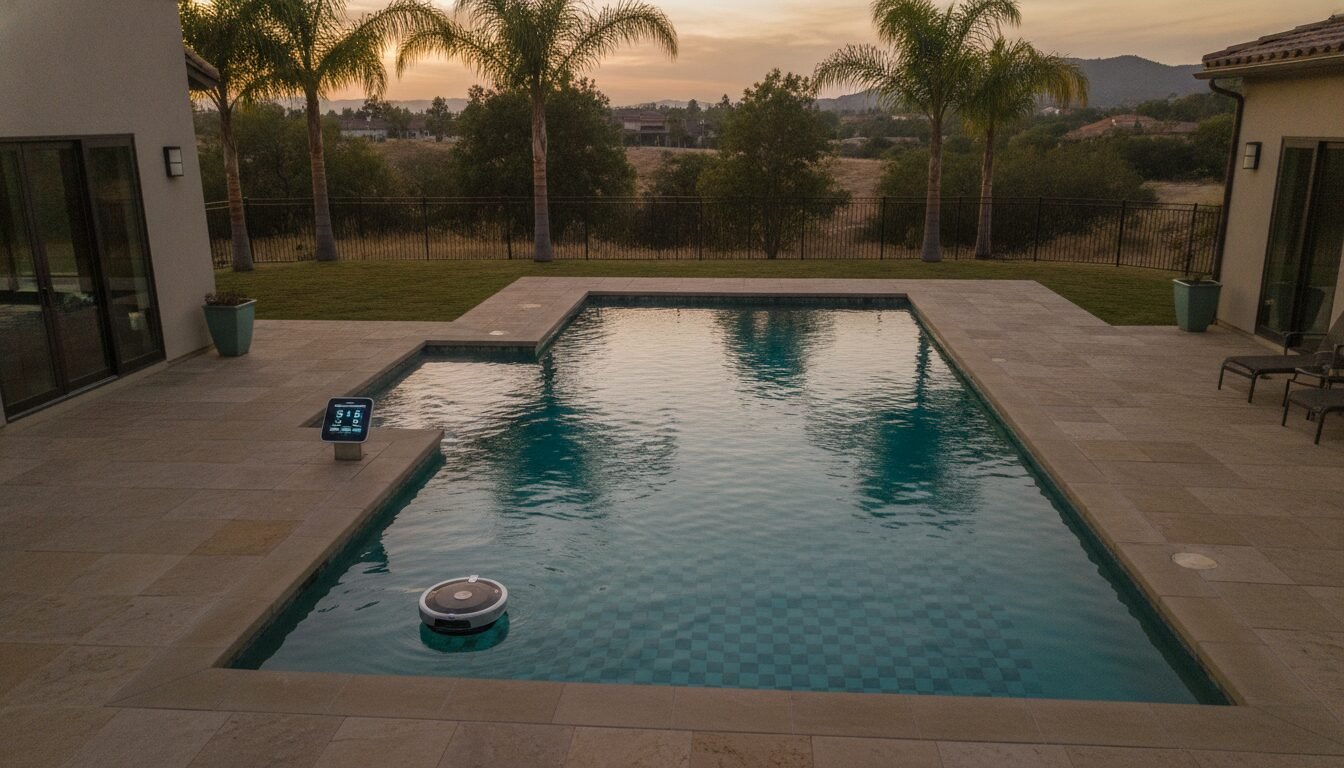
Unlike pressure-side or suction-side cleaners that rely on your pool pump for power, robotic cleaners have their own independent power source and internal filtration system. They are highly energy-efficient, consume minimal electricity, and reduce the workload on your main pool pump, leading to further savings.
7. Harness Automation and Smart Technology:
Modern pool automation systems allow you to control pumps, heaters, lights, and other features from your smartphone or a central control panel. This precision allows for scheduling equipment to run only when necessary and during off-peak hours, maximizing efficiency and minimizing human error.
Reducing your high electricity cost for pool ownership is not just about cutting back; it’s about smart management and investing in modern, energy-efficient solutions. While some upfront costs may be involved, the long-term savings on your Monthly Pool Cost can be substantial, making your pool a source of joy rather than a recurring financial headache. By adopting these strategies, you can enjoy all the benefits of a crystal-clear, comfortable swimming pool without the shocking utility bills.