- How a Heat Pump Works its Magic
- The Undeniable Advantages of a Modern Heat Pump
- Energy Efficiency and Cost Savings
- Environmental Friendliness
- Consistent and Reliable Performance
- Durability and Longevity
- Enhanced Safety
- Heat Pump vs. The Alternatives: A Comparative Look
- Comparing with a Gas Heater
- Comparing with a Solar Heater
- Factors to Consider When Choosing Your Heat Pump
- Maximizing Your Heat Pump’s Potential
- Conclusion
Heat Pump technology has revolutionized the way homeowners heat their swimming pools, emerging as a leading choice for those seeking an efficient, environmentally friendly, and cost-effective solution. The allure of a perfectly warmed pool, inviting for a morning dip or an evening swim, is universally appealing, yet the means to achieve it can vary significantly. Among the plethora of options available, the modern heat pump stands out, offering a compelling blend of benefits that make it an increasingly popular and often indispensable addition for pool owners.
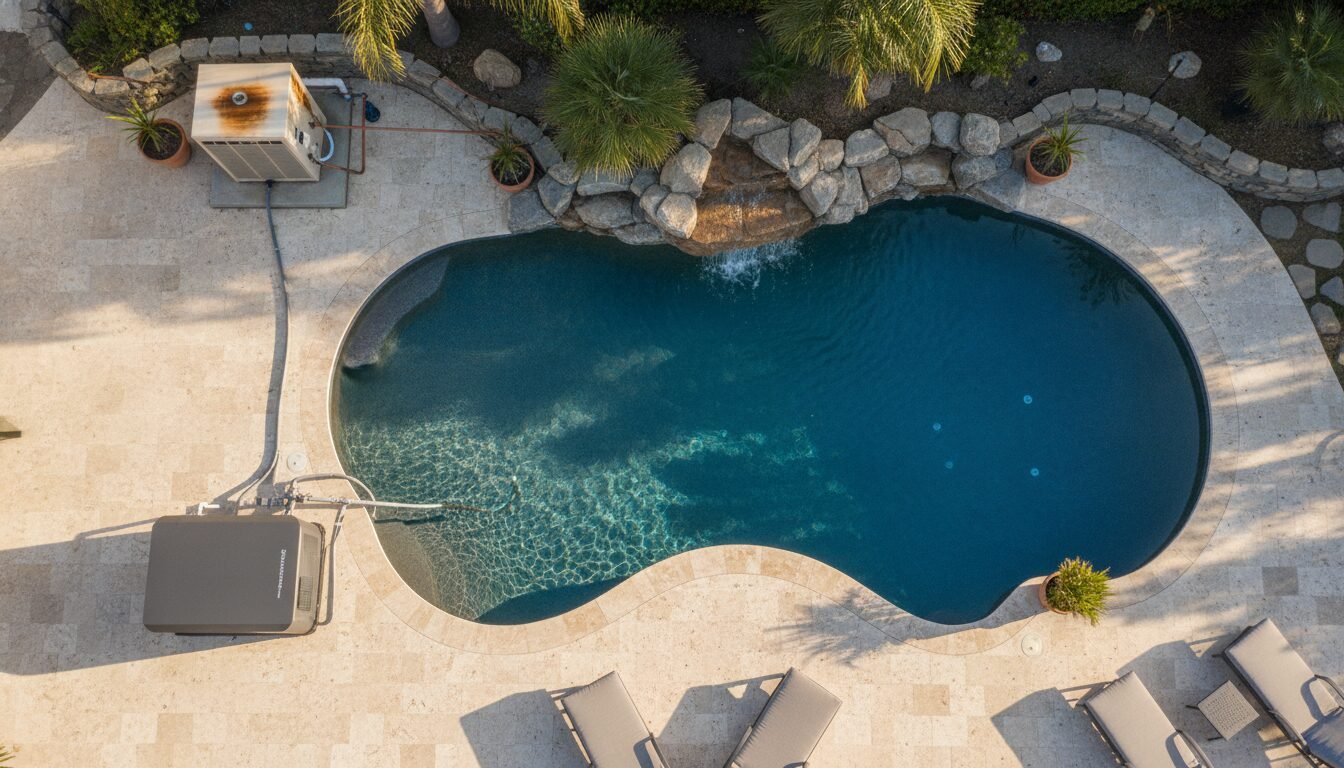
How a Heat Pump Works its Magic
Unlike traditional heaters that burn fuel or rely directly on the sun, a heat pump operates on a remarkably clever principle: it moves heat rather than generating it. It works much like a reverse air conditioner. The unit draws in ambient air, extracts its latent heat using a fan and evaporator coil, and then transfers this captured thermal energy to your pool water. Even on cooler days, there’s enough heat in the air for the unit to efficiently warm your pool. This innovative process means a heat pump doesn’t consume energy to create heat; instead, it uses a small amount of electricity to transfer heat, making it incredibly energy-efficient.
The Undeniable Advantages of a Modern Heat Pump
The widespread adoption of heat pumps for pool heating isn’t by accident. Their numerous upsides make them an attractive proposition for almost any pool owner.
Energy Efficiency and Cost Savings
Perhaps the most significant advantage is their efficiency. For every unit of electricity a heat pump consumes, it can deliver 4 to 7 units of heat energy to your pool. This compares starkly to electric resistance heaters, which provide only 1 unit of heat for every 1 unit of electricity. Over time, these savings translate into significantly lower operating costs, especially for those who use their pool frequently or for extended seasons.
Environmental Friendliness
By utilizing existing heat in the air, heat pumps have a much smaller carbon footprint compared to gas heaters that burn fossil fuels. This eco-conscious approach aligns with growing environmental awareness, making them a greener choice for heating your pool.
Consistent and Reliable Performance
Unlike solar heaters that are entirely dependent on sunshine, a heat pump can warm your pool even on cloudy days or at night, as long as the ambient air temperature is above a certain threshold (typically around 45-50°F or 7-10°C). This ensures a more consistent and reliable heating experience, allowing you to enjoy your pool regardless of direct sunlight.
Durability and Longevity
Modern pool heat pumps are built to last, often featuring robust components like titanium heat exchangers that resist corrosion from pool chemicals. With proper maintenance, a heat pump can provide reliable service for 10-20 years, offering excellent long-term value.
Enhanced Safety
Since there’s no combustion involved, heat pumps eliminate the risks associated with storing combustible fuels, gas leaks, or carbon monoxide emissions that can be a concern with gas heaters.
Heat Pump vs. The Alternatives: A Comparative Look
When choosing a pool heater, it’s essential to compare the leading options: the heat pump, gas heater, and solar heater.
Comparing with a Gas Heater
Gas heaters are known for their incredibly fast heating times. If you need to heat your pool quickly for a spontaneous swim, a gas heater can deliver. However, this speed comes at a price. Their operating costs are significantly higher due to the price of natural gas or propane. They also produce emissions and require access to a gas line or propane tank. For sustained heating or frequent use, the long-term expense of a gas heater quickly outweighs its initial speed advantage.
Comparing with a Solar Heater
Solar heaters are the most environmentally friendly option, using free energy from the sun. Their operating costs are virtually zero. However, they are entirely reliant on sunny weather, meaning your pool might not reach your desired temperature on cloudy days or at night. They also require a significant amount of roof or ground space for collectors and heat much slower than other methods. While excellent for extending a swim season in sunny climates, they can lack the consistent, on-demand heating capability that many pool owners desire.
In this comparison, the Heat Pump often emerges as the ideal middle ground. It offers superior energy efficiency compared to gas, and more consistent heating regardless of direct sunlight than solar, all while maintaining a relatively low environmental impact and reasonable operating costs.
Factors to Consider When Choosing Your Heat Pump
Selecting the right heat pump involves a few key considerations:
Pool Size: The most critical factor is the volume of your pool, which dictates the BTU (British Thermal Unit) output needed. A larger pool requires a more powerful unit.
Climate: The average ambient air temperature in your region will influence the heat pump’s efficiency and sizing. Colder climates require more robust units.
Efficiency Rating (COP): Look for a higher Coefficient of Performance (COP) rating, which indicates how efficiently the unit converts electricity into heat.
Insulation and Pool Cover: While not part of the heat pump itself, using a pool cover is paramount for minimizing heat loss and maximizing your heat pump’s efficiency, significantly reducing operating costs.
Maximizing Your Heat Pump’s Potential
To get the most out of your heat pump:
1. Use a Pool Cover: This is non-negotiable. A cover drastically reduces heat loss through evaporation, allowing your heat pump to maintain temperature with less effort.
2. Regular Maintenance: Keep the evaporator coil clean and ensure unobstructed airflow around the unit.
3. Optimal Thermostat Setting: Set your desired temperature and let the heat pump maintain it. Constantly turning it off and on or drastically changing settings can decrease efficiency.
Conclusion
For homeowners aspiring to extend their swimming season, enjoy comfortable water temperatures, and do so without breaking the bank or harming the environment, the heat pump stands as an unparalleled choice. Its ability to harness ambient air heat, deliver consistent warmth, and operate with remarkable efficiency solidifies its position as a truly indispensable piece of equipment for any modern swimming pool. Investing in a heat pump means investing in countless hours of enjoyable, perfectly warmed swimming, making it far more than just a heater—it’s an upgrade to your entire pool experience.