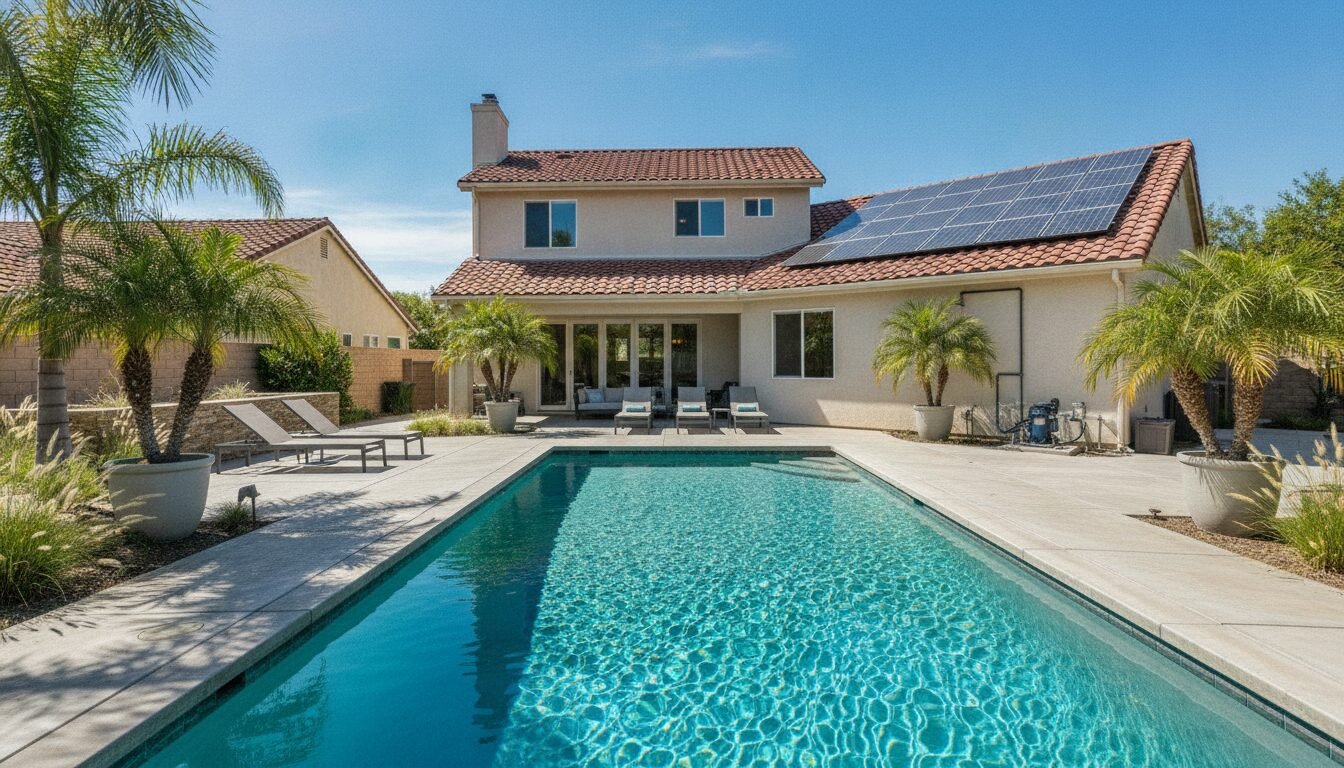
- Why Choose Solar Pool Heating?
- How Do Solar Pool Heaters Work?
- Types of Solar Pool Heaters
- Optimizing Your Solar Pool Heater System
- Sizing and Installation for Peak Performance
- Minimal Maintenance, Maximum Enjoyment
- The Role of a Pool Cover
- Beyond the Basics: Advanced Features and Considerations
- Is a Solar Pool Heating System Right for You?
Solar Pool Heaters offer an exceptional blend of environmental responsibility and luxurious comfort, transforming your swimming experience into an extended season of inviting warmth. For many pool owners, the dream of dipping into pleasantly heated water without the burden of exorbitant energy bills or a heavy carbon footprint seems elusive. However, thanks to advancements in renewable energy technology, this dream is not only attainable but increasingly becoming the standard for smart, sustainable home recreation. This article delves into how these innovative systems work, their myriad benefits, and what to consider when bringing effortless warmth to your backyard oasis.
Why Choose Solar Pool Heating?
The decision to invest in solar heating for your pool is driven by a compelling combination of environmental consciousness, economic prudence, and enhanced lifestyle. Opting for solar panels for pool warmth dramatically reduces your reliance on fossil fuels, cutting down on greenhouse gas emissions and aligning your home with a greener future. Unlike gas or electric heaters, which constantly consume resources while operating, a solar pool heating system harnesses the free, abundant energy of the sun. This translates directly into substantial savings on your utility bills, often recovering the initial installation cost within a few short years. Beyond the financial and ecological advantages, the ultimate benefit is pure enjoyment: more comfortable swims, a significantly extended swimming season, and the peace of mind that comes with making a responsible choice.
How Do Solar Pool Heaters Work?
The operational principle behind solar pool heaters is remarkably simple yet highly effective. It involves a closed-loop system that draws water from your existing pool, circulates it through solar collectors, and then returns the warmed water back to the pool.
1. Filtration: Pool water is first drawn through your standard pool filter to remove any debris.
2. Pumping: The filtered water is then pumped through a diverter valve to the solar collectors, which are typically installed on a roof or a dedicated ground mount.
3. Solar Absorption: As the water flows through the many small tubes within the solar panels for pool heating, it’s exposed to the sun’s radiant energy. These specially designed collectors are highly efficient at absorbing solar radiation, transferring that heat directly to the circulating water.
4. Return to Pool: Once heated to the desired temperature, the warm water flows back into your swimming pool, gradually raising its overall temperature.
This continuous cycle ensures a gradual, consistent increase in water temperature, typically elevating it by 10-15 degrees Fahrenheit above the unheated temperature. A differential control system can be integrated to automatically direct water to the collectors only when solar energy is available and the pool needs heating, optimizing efficiency.
Types of Solar Pool Heaters
When considering solar heating for your swimming pool, you’ll primarily encounter two main types of solar collectors:
Unglazed Collectors: These are the most common and cost-effective option for pool heating. They consist of a series of black rubber or plastic tubes, often made from polypropylene, that are left exposed to the sun. Because pool water temperatures typically don’t need to exceed 85-90°F, unglazed collectors are perfectly suited for this application, offering excellent heat transfer without the need for additional insulation or glazing. They are durable, UV-resistant, and can withstand various weather conditions.
Glazed Collectors: While less common for residential pools due to their higher cost, glazed collectors consist of copper tubing running through an insulated box covered with a sheet of tempered glass. These are designed for higher temperature applications (like domestic hot water) because the glazing traps heat more effectively, reducing heat loss to the ambient air. For the typical temperature ranges required for pool heating, the added expense and complexity of glazed collectors are generally unwarranted.
Optimizing Your Solar Pool Heater System
To maximize the performance and longevity of your solar pool heater, several factors relating to installation and maintenance are crucial.
Sizing and Installation for Peak Performance
The effectiveness of your solar pool heater largely depends on proper sizing and installation. As a general rule, the total square footage of your solar collectors should be at least 50% to 100% of your pool’s surface area, with the higher end recommended for colder climates or those desiring a longer swimming season. Collectors should ideally be mounted facing south (in the Northern Hemisphere) at an angle that maximizes sun exposure throughout the day, avoiding any potential shade from trees or structures. Professional installation ensures optimal positioning, proper plumbing, and adherence to local building codes, preventing issues like leaks, poor flow, or inefficient heating.
Minimal Maintenance, Maximum Enjoyment
Thankfully, solar pool heaters are renowned for their low maintenance requirements. Regular pool maintenance, such as ensuring proper water chemistry and filter cleaning, will generally suffice. Periodically, you might want to inspect the collectors for any debris (leaves, dirt) that could impede sun exposure and gently rinse them off. In regions prone to freezing temperatures, proper winterization of the system is essential to prevent damage to the collectors and plumbing lines. Following manufacturer guidelines or consulting with a professional ensures your system remains in prime condition for years to come.
The Role of a Pool Cover
While not part of the solar heating system itself, a high-quality pool cover significantly enhances its efficiency. Heat loss from a pool, especially overnight, is substantial. A pool cover acts as an insulator, trapping the solar heat gained during the day and preventing it from dissipating into the cooler night air. This reduces the demand on your solar heater, allowing it to maintain desired temperatures more easily and further saving energy.
Beyond the Basics: Advanced Features and Considerations
Modern solar pool heating systems can incorporate various advanced features for greater convenience and control. Digital thermostats and automated valves allow you to set your desired temperature, with the system intelligently managing water flow to the collectors. Some systems can even integrate with smart home platforms. It’s also wise to consider the warranty offered by manufacturers, as good quality systems typically come with warranties extending up to 10-12 years on collectors. While solar heaters are highly efficient, in climates with extended cloudy periods or for those who desire extremely high pool temperatures year-round, a hybrid system—combining solar with a heat pump or gas heater—might be an option, offering ultimate flexibility and backup heating.
Is a Solar Pool Heating System Right for You?
If you’re looking for a sustainable, cost-effective, and low-maintenance way to enjoy a warmer pool for more months out of the year, a solar pool heating system is an excellent investment. They are particularly beneficial for homeowners in sunny regions with a desire to reduce their environmental footprint and secure long-term savings on energy costs. The comfort of knowing your pool is heated by the sun’s free energy, extending your summer season without guilt, is an undeniable luxury.
By embracing solar pool heating, you not only enhance your personal enjoyment but also contribute to a healthier planet. With clear benefits ranging from significant utility savings to a prolonged swimming season, choosing solar is a smart decision for any pool owner seeking effortless, stunning warmth. Consulting with a qualified solar pool heating professional can help you design a system perfectly tailored to your pool and lifestyle.