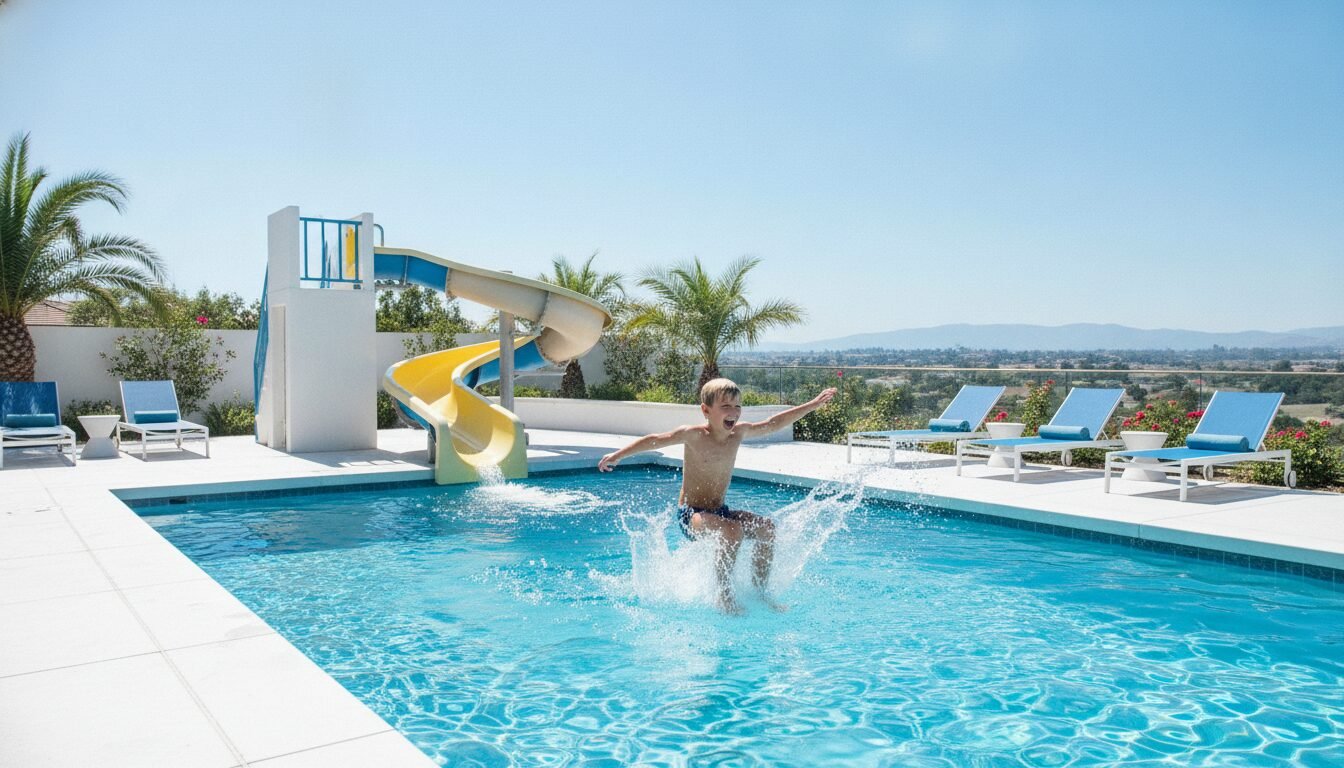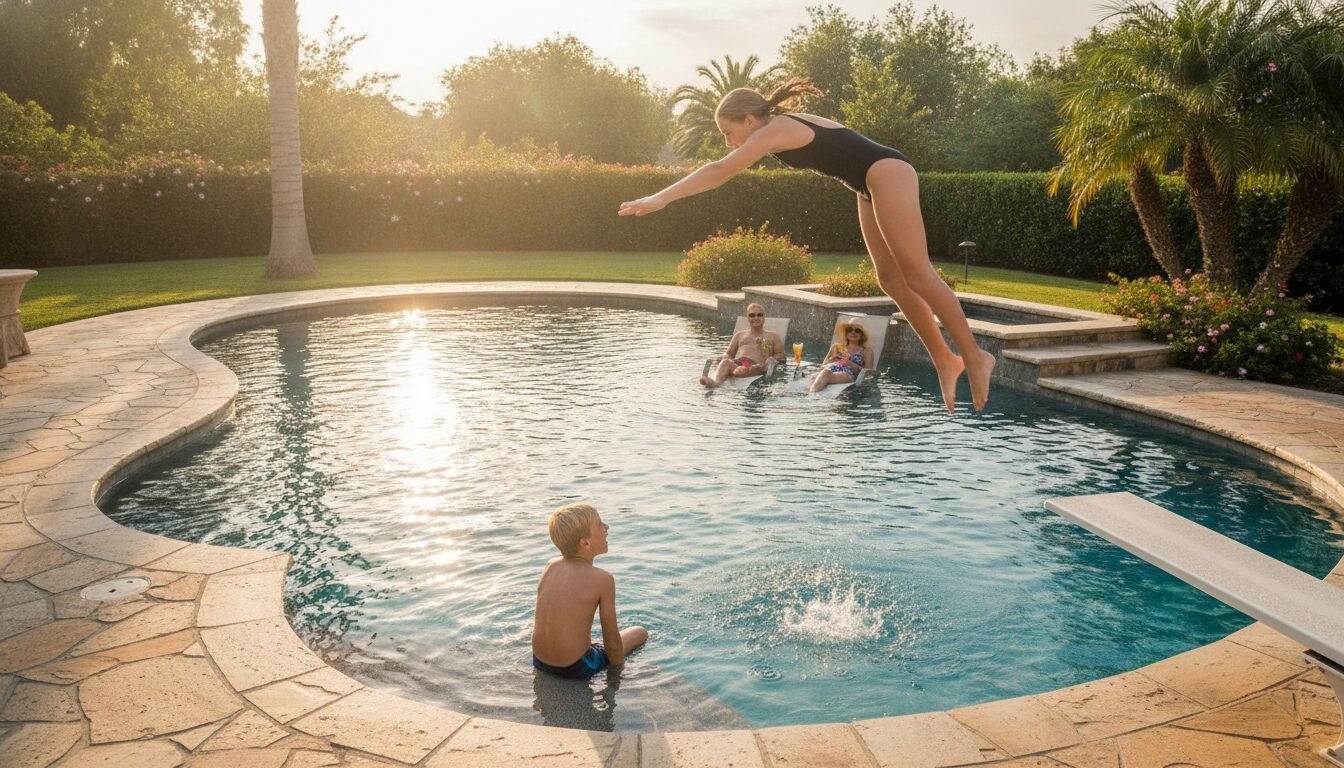
Diving Board provides an unparalleled thrill to any backyard pool experience, transforming a simple swim into an exhilarating adventure. The prospect of launching into the cool water with a splash, executing a graceful dive, or simply performing a playful jump elevates pool time entertainment to new heights. However, with this excitement comes a critical responsibility: ensuring the utmost pool safety. When properly installed, maintained, and used according to strict guidelines, a diving board can be a source of immense enjoyment and lasting memories for the whole family.
The allure of the diving board lies in its unique blend of athleticism and fun. It encourages physical activity, helps develop coordination and balance, and even builds confidence as individuals master new skills. From the simple cannonball to more complex front flips, a diving board offers endless possibilities for creative play and healthy exercise. It becomes a focal point of summer gatherings, attracting both the daring and those who simply enjoy watching the spectacle. Yet, the joy derived from a diving board is directly proportional to the emphasis placed on its safe operation.
Understanding the various types of diving boards is the first step toward creating a safe environment. Most residential pools feature “springboards,” which are flexible fiberglass or aluminum boards mounted on a base, designed to provide a spring-action lift. “Jump boards” are similar but generally less flexible. Crucially, the installation of any diving board is not a one-size-fits-all scenario. It demands precise consideration of pool dimensions, especially water depth and overall pool shape, to prevent accidents. A board that is too long for a shallow end or one installed without adequate overhead clearance can pose significant risks. Professional installation, adhering to manufacturer specifications and local building codes, is the foundation of a safe diving setup.
Diving Board and Pool Safety: A Non-Negotiable Priority
When it comes to the Diving Board, safety is not merely a suggestion; it’s a non-negotiable priority. Every aspect, from installation to daily use, must be meticulously managed to prevent accidents and ensure that the ultimate pool fun remains safe pool fun.
1. The Pre-Dive Checklist: Assessing the Environment
Before anyone steps onto the board, a thorough check of the environment is essential. The most critical factor is water depth. Industry standards and manufacturer guidelines dictate minimum depth requirements, typically ranging from 7.5 to 9 feet for residential diving boards. This depth must extend a certain distance forward and to the sides of the board. Anything less significantly increases the risk of serious injury. Beyond depth, ensure there are no obstructions in the water or around the board, such as toys, floats, or other swimmers. The area immediately beneath and around the target dive zone should always be clear.
2. Establishing Clear Rules for Divers
For any diving board, clear and consistent rules are paramount. These rules should be communicated to all users, especially children, and strictly enforced:
One Diver at a Time: Never allow multiple people on the board simultaneously. The extra weight can damage the board and create an unstable environment.
No Running or Horseplay: The surface of a diving board can be slippery when wet. Running on the board or around its base significantly increases the risk of falls. Horseplay on or around the board can lead to accidental pushes or falls.
Dive Forward Only: Unless explicitly trained in specific techniques in an appropriate setting, divers should always enter the water headfirst, facing directly away from the board. Backward entry or complex maneuvers should only be attempted by experienced individuals in specialized facilities with trained supervision.
No Diving with Flotation Devices: Diving while wearing life vests, armbands, or other flotation aids can alter body position, leading to uncontrolled entry and potential injury.
* Adult Supervision is Key: Children and inexperienced swimmers should always be supervised by a responsible adult when using a diving board. Even proficient divers benefit from supervision to ensure rules are followed.
3. Maintaining Your Diving Board for Long-Term Safety
Regular maintenance is vital for ensuring the longevity and safety of your diving board. Visually inspect the board for cracks, splinters, or excessive wear. Check all bolts, nuts, and anchoring points for tightness and rust. The non-slip surface should be intact; if it’s worn, consider resurfacing or replacement. Keep the area around the board clean and free of debris that could cause slips. Winterization procedures, such as removing the board if recommended by the manufacturer, also contribute to its overall lifespan and safety.
Designing your safe diving zone extends beyond just the board itself. Proper decking materials around the pool should offer good slip resistance. Adequate lighting for evening use is also crucial, ensuring divers can clearly see the board, the water, and any potential hazards. Many modern pools incorporate safety features like depth markers and safety ropes, all of which contribute to a comprehensive pool safety strategy.
Beyond the immediate plunge, the benefits of a safe diving board environment ripple through various aspects of life. It fosters a healthy respect for rules and boundaries, teaches self-control, and provides a structured outlet for fun physical activity. When families prioritize safety, the diving board becomes a catalyst for joyful summer days, helping kids develop motor skills, spatial awareness, and a sense of accomplishment.
In conclusion, a Diving Board can indeed be the ultimate feature for safe pool fun, but only when approached with diligence, education, and unwavering commitment to safety protocols. From professional installation and regular maintenance to clearly defined rules and constant supervision, every measure taken contributes to an environment where thrilling splashes and graceful dives can be enjoyed without compromise. By making safety the cornerstone of your diving board experience, you ensure that the excitement it brings creates joyous memories, not regrettable incidents.