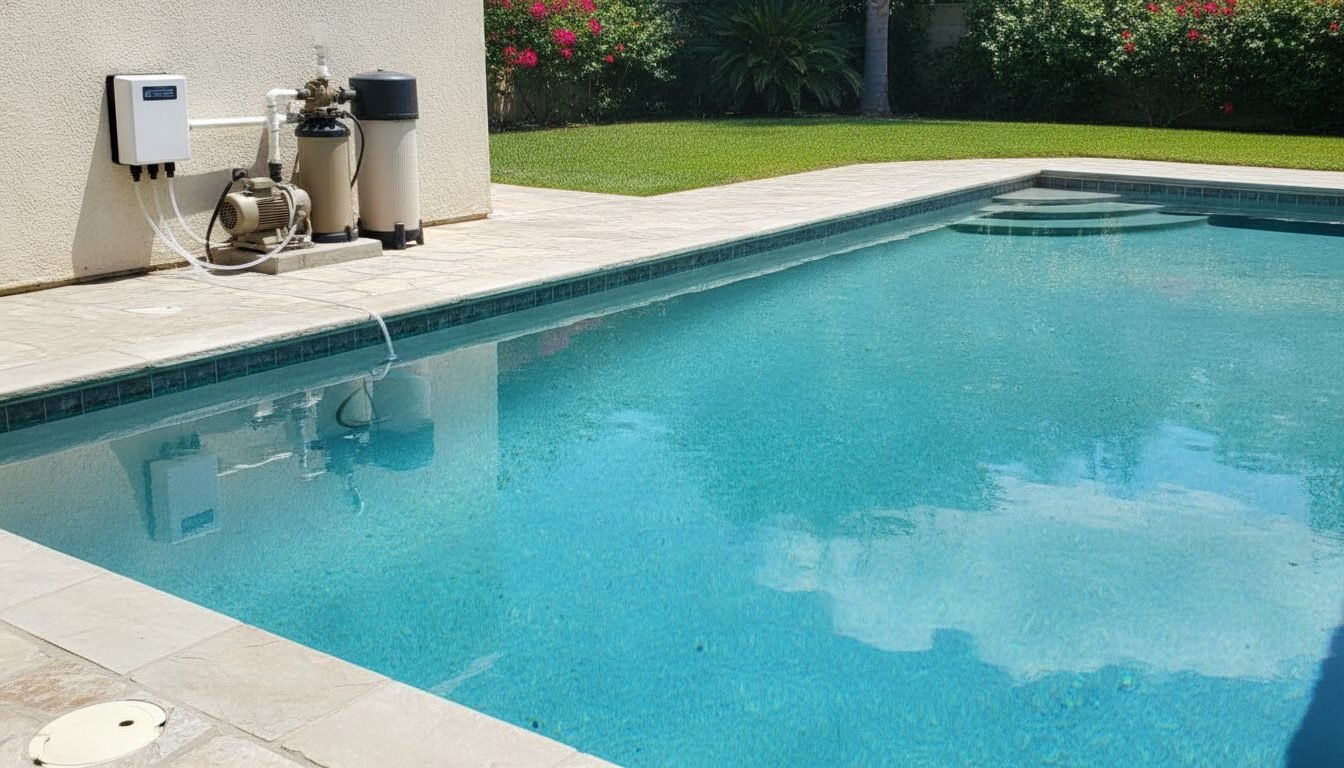
- Understanding the Automatic Chemical Doser
- The Unparalleled Benefits of an Automatic Chemical Doser
- Diverse Applications for the Automatic Chemical Feeder
- The Core: Understanding the Dosing Pump
- Key Considerations When Choosing Your Automatic Chemical Doser
- The Future is Automated
Automatic Chemical Doser: The ultimate symbol of effortless flow in countless industries and applications, these sophisticated systems have revolutionized the way chemicals are introduced into processes, ensuring precision, efficiency, and safety without constant manual intervention. Gone are the days of tedious manual measurements and inconsistent dosing; an automatic chemical doser provides a consistent, reliable method for maintaining optimal chemical levels, leading to superior results and significant operational savings. It represents a paradigm shift from labor-intensive chemical management to intelligent, automated control.
Understanding the Automatic Chemical Doser
At its core, an automatic chemical doser is a specialized system designed to accurately dispense specific volumes of liquid chemicals into a larger system or process at predetermined intervals or in response to real-time feedback. It acts as a vigilant sentinel, constantly monitoring and adjusting chemical additions to maintain ideal conditions. Far more than just a simple pump, these systems typically comprise a precise dosing pump, a controller (often programmable), a chemical reservoir, and an injection point. Together, these components ensure that the right amount of chemical is delivered at the right time, every time.
The Unparalleled Benefits of an Automatic Chemical Doser
The transition to automated chemical dosing brings forth a wealth of advantages that impact efficiency, safety, and overall operational quality:
Unrivaled Precision and Accuracy: Manual dosing is inherently prone to human error, leading to over-dosing or under-dosing. An automatic doser, driven by advanced controls and sometimes real-time sensors, delivers chemicals with exactitude, ensuring optimal performance and preventing waste. This precision is vital for maintaining delicate chemical balances in sensitive applications.
Significant Time and Labor Savings: One of the most immediate benefits is the drastic reduction in manual labor. Operators are freed from the repetitive and time-consuming tasks of measuring, mixing, and dispensing chemicals, allowing them to focus on more critical aspects of their work. This translates directly to lower operational costs.
Enhanced Safety Protocols: Handling concentrated chemicals always carries inherent risks. An automatic chemical doser minimizes direct human contact with hazardous substances, reducing the potential for spills, exposure, and injuries. The system contains the chemicals safely and delivers them directly into the process.
Optimized Chemical Usage and Cost Efficiency: Precise dosing prevents the common pitfalls of over-application, which wastes expensive chemicals, and under-application, which can lead to inefficient processes or equipment damage. By using just the right amount, these systems help conserve resources and significantly cut down on chemical purchasing costs.
Improved System Performance and Consistency: Whether it’s maintaining ideal pH in a swimming pool, preventing scaling in industrial boilers, or ensuring sterile conditions in water treatment, automated dosing guarantees consistent chemical levels. This consistency leads to more stable processes, better product quality, longer equipment lifespan, and overall superior outcomes.
Diverse Applications for the Automatic Chemical Feeder
The versatility of the automatic chemical feeder makes it indispensable across a vast array of sectors:
Water Treatment: From municipal potable water plants adding chlorine or fluoride to wastewater facilities managing flocculants and pH adjusters, automated dosers ensure safe and compliant water quality.
Swimming Pools and Spas: Maintaining optimal pH and sanitizer levels (like chlorine or bromine) is crucial. Dosing pumps automatically inject these chemicals based on sensor readings, keeping water sparkling clean and safe for bathers.
Industrial Processes: Many manufacturing and production processes require precise chemical additions for pH control, corrosion inhibition, lubrication, or specialized reactions. Examples include cooling towers, boiler systems, food processing, and chemical manufacturing.
Agriculture (Fertigation): Automated systems deliver precise amounts of fertilizers and nutrients directly into irrigation lines, optimizing plant growth and reducing runoff.
Cleaning and Hygiene: Commercial dishwashers and laundry systems utilize dosing pumps to accurately dispense detergents, rinse aids, and sanitizers, ensuring consistent cleaning performance.
The Core: Understanding the Dosing Pump
The heart of every automatic chemical doser is the dosing pump. This specialized pump is engineered to deliver fluid chemicals at precise flow rates and against varying pressures. There are several types, each suited for different applications:
Diaphragm Dosing Pumps: These use a diaphragm to create a pumping action, ideal for aggressive chemicals and higher pressures. They are known for their robustness and longevity.
Peristaltic Dosing Pumps: Operating by compressing a tube, these pumps are excellent for viscous liquids or those containing small particles. Their main advantage is that the chemical only contacts the tube, not the pump’s internal mechanism, reducing compatibility issues.
Piston Dosing Pumps: Best for high-pressure, low-flow applications, offering very high accuracy.
The choice of dosing pump depends on factors like the chemical’s viscosity, corrosiveness, required flow rate, and discharge pressure.
Key Considerations When Choosing Your Automatic Chemical Doser
Selecting the right automatic chemical doser involves careful evaluation of your specific needs:
Chemical Compatibility: Ensure all wetted parts of the doser (pump head, tubing, seals) are compatible with the chemical being dispensed to prevent corrosion or degradation.
Flow Rate and Pressure Requirements: Match the pump’s capacity to the volume of chemical needed and the pressure of the system it’s injecting into.
Control Mechanism: Do you need a simple timer-based system, or a more sophisticated controller that responds to real-time sensor data (e.g., pH, ORP, flow rate) for closed-loop feedback? Proportional dosing, which adjusts chemical delivery based on varying process demands, is often highly desirable.
Ease of Installation and Maintenance: Consider the complexity of setting up the system and the availability of spare parts and service.
Budget: While initial investment is a factor, weigh it against the long-term savings in chemicals, labor, and improved process efficiency.
The Future is Automated
As technology advances, automatic chemical dosers are becoming even more intelligent and integrated. With the rise of IoT (Internet of Things), remote monitoring, predictive maintenance, and cloud-based control are becoming standard features, offering unprecedented control and insights into chemical management. This continued evolution ensures that maintaining the “ultimate effortless flow” will only become simpler and more efficient.
The integration of an automatic chemical doser is not just an upgrade; it’s a strategic investment in precision, safety, and sustainable operation. By automating one of the most critical aspects of process management, businesses and individuals can unlock superior performance, reduce operational costs, and future-proof their systems against the demands of an increasingly complex world.