- Why Location Decisions Are Paramount for Your Oasis
- Factors Determining the Best Pool Location: Key Considerations
- Integrating Your Pool into Comprehensive Yard Planning
The Best Pool Location is not merely a matter of convenience; it’s the cornerstone of creating a truly stunning outdoor oasis, a place where relaxation, entertainment, and beauty converge. While the shimmering water itself is the star, its setting dictates everything from daily enjoyment to long-term maintenance and even the overall aesthetic harmony of your home. Poor placement can lead to a host of issues, from constant leaf debris to uncomfortable breezes, making a meticulous approach to location selection absolutely critical for realizing your backyard dreams.
Why Location Decisions Are Paramount for Your Oasis
Many homeowners focus solely on the pool’s size and shape, overlooking the profound impact of its precise placement. The location dictates sun exposure, wind patterns, privacy levels, and accessibility, all of which heavily influence how often and how comfortably you use your pool. A well-sited pool becomes a natural extension of your living space, enhancing both your lifestyle and your property’s value. Conversely, a poorly chosen spot can result in higher heating costs, increased cleaning efforts, and a lack of the serene atmosphere you envision.
Factors Determining the Best Pool Location: Key Considerations
Selecting the ideal spot involves a thoughtful evaluation of several interconnected elements throughout your property.
1. Sunlight Exposure and Orientation:
This is perhaps the most crucial factor. A pool needs ample sunlight for several reasons:
Natural Heating: Sun acts as a free heater, significantly reducing energy costs for warming the water and extending your swimming season.
Comfort: Basking in the sun post-swim is part of the allure.
Evaporation & Algae: Sunlight helps to naturally evaporate water and can inhibit certain types of algae growth, though too much direct, intense sun can also contribute to chemical breakdown and rapid evaporation.
Aim for a spot that receives maximum direct sunlight, especially during peak swimming hours (late morning to late afternoon). Observe your yard at different times of the day to identify shadows cast by your home, trees, or neighboring structures.
2. Wind Protection:
Persistent wind is the enemy of a comfortable swim. It rapidly cools the water through evaporation, carries debris into the pool, and can make lounging uncomfortable.
Natural Barriers: Existing structures like your house, a sturdy fence, or strategically placed evergreen hedges can act as windbreaks.
Landscaping: Incorporate planting that filters or redirects wind without creating too much shade.
Pool House/Cabana: These structures can offer excellent protection while adding functional space.
3. Privacy and Seclusion:
Your pool area should feel like a private retreat, free from prying eyes. This involves considering views from neighbors’ windows, public pathways, and even other parts of your own yard.
Strategic Placement: Position the pool to minimize direct lines of sight.
Structural Barriers: Fences, walls, pergolas, and pool houses are effective.
Living Screens: Hedges, trees, and tall shrubs can create beautiful, natural privacy screens.
4. Proximity to the House:
Convenience is key for maximum enjoyment.
Accessibility: Easy access from indoor changing areas, bathrooms, and the kitchen for refreshments is highly desirable.
Entertainment: If your pool is part of a larger entertainment zone, easy flow from decks or patios is important.
Noise: Consider potential noise from pool activities if placed too close to bedrooms or quiet zones.
5. Topography and Yard Planning:
The natural landscape of your yard plays a significant role.
Flat Ground: An ideal scenario, requiring minimal excavation and grading, which keeps costs down.
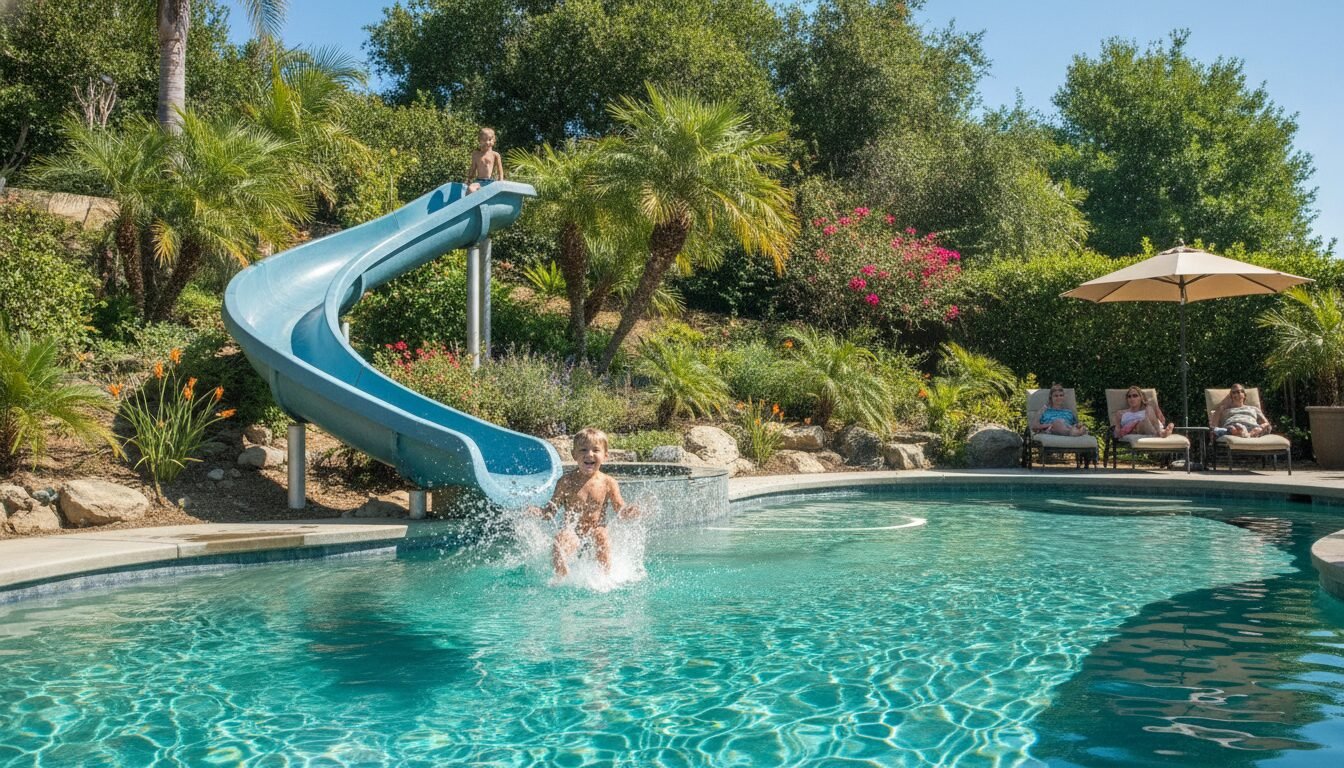
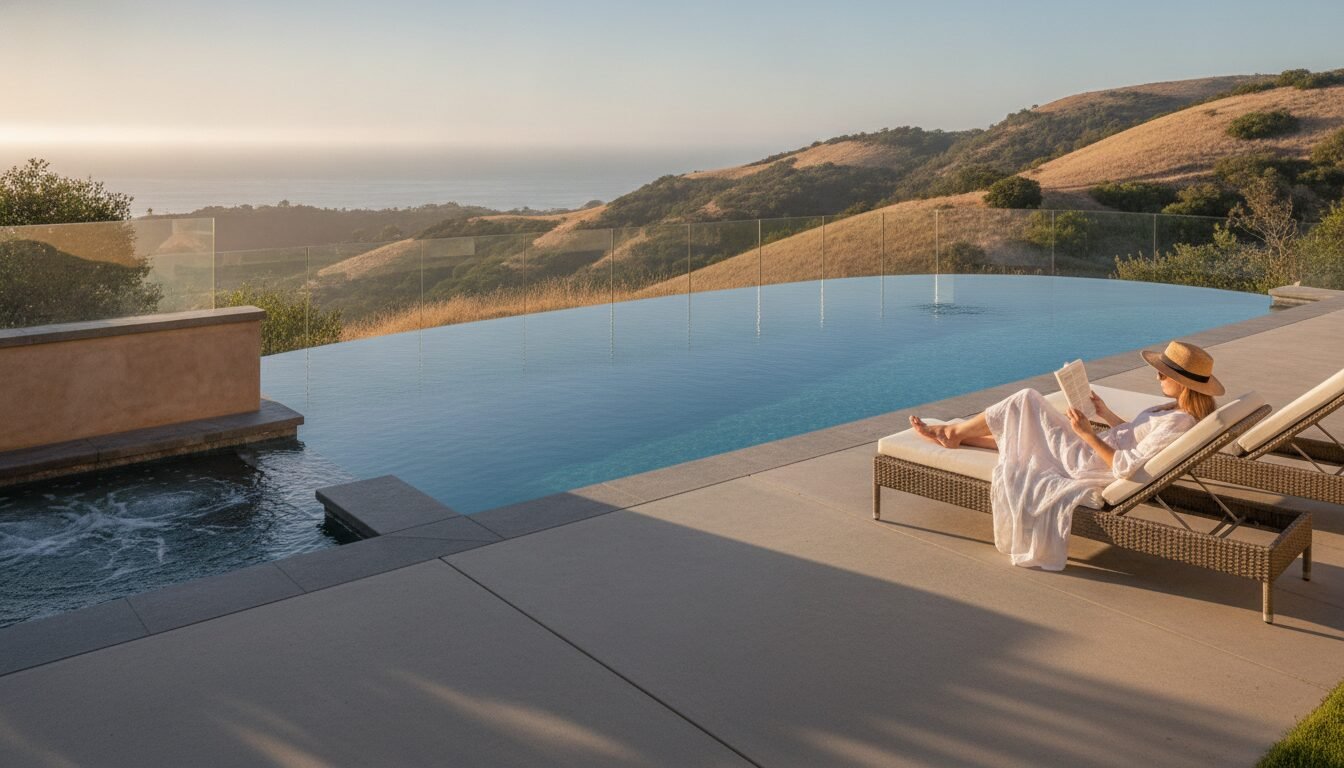
Sloped Yards: Can present design challenges and opportunities. Retaining walls might be necessary, adding to costs but potentially creating stunning multi-level designs or infinity edges. Proper drainage is paramount to prevent runoff from entering the pool.
Soil Conditions: A professional site analysis will determine soil stability and composition, which can affect excavation and foundation requirements.
6. Utilities and Access:
Practical considerations are often overlooked.
Utility Lines: Easy access to water, electricity, and gas lines (for heaters) will reduce installation costs and complexity. Avoid areas with underground septic systems, gas lines, or power cables.
Construction Access: Ensure there’s sufficient space for heavy machinery to access the site during construction.
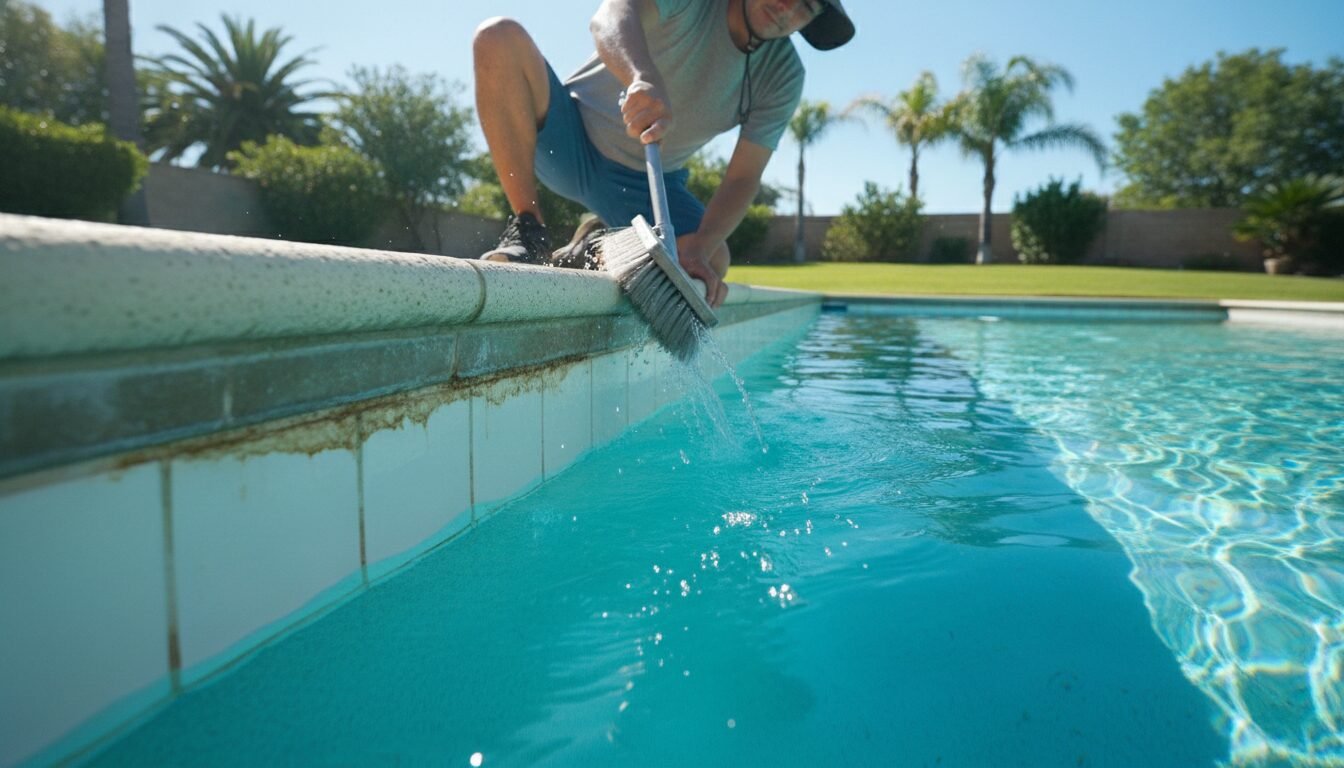
Maintenance: Consider access for future maintenance, such as draining, cleaning, and equipment repairs.
7. Safety and Regulations:
Compliance with local regulations is non-negotiable.
Setbacks: Localordinances dictate how far a pool must be from property lines, septic systems, and other structures.
Fencing: Most areas require a safety fence around pools.
Overhead Lines: Avoid placing a pool directly under power lines.
Visibility: Ensure the pool is visible from key areas of your home for easy supervision, especially if you have children or pets.
Integrating Your Pool into Comprehensive Yard Planning
Beyond these individual factors, the Best Pool Location emerges from a holistic approach to Yard Planning. Think of your pool not as a standalone feature, but as the central anchor of your outdoor living space.
Flow and Function: How will people move from the house to the pool? Will there be dedicated entertaining zones, a sunbathing deck, an outdoor kitchen, or a shaded lounge area?
Landscaping Harmony: Use landscaping to soften hard edges, provide shade, privacy, and visual interest. Choose plants that don’t shed excessively into the pool.
Future Expansion: Consider potential future additions like a hot tub, fire pit, outdoor shower, or dining pergola. A good location leaves room for these elements to be integrated seamlessly.
Visual Aesthetics: The view from the pool should be as appealing as the view of the pool. Frame picturesque views and screen undesirable ones.
Ultimately, achieving a truly stunning outdoor oasis requires careful foresight and often, the expertise of professionals. Consulting with a landscape architect or experienced pool builder early in the process can help you navigate these complex decisions, ensuring your investment yields years of enjoyment in a perfectly chosen, breathtaking setting. Your dream pool is waiting; the right location will unlock its full potential.