- The Symphony of Sun, Shade, and Scenery
- Integrating Your Pool with Comprehensive Yard Planning
- Avoiding Common Pitfalls in Pool Placement
The Best Pool Location isn’t just about finding an empty spot in your backyard; it’s a strategic decision that profoundly impacts your home’s aesthetics, functionality, safety, and long-term enjoyment. A swimming pool is a significant investment, a lifestyle upgrade, and a focal point for outdoor living, making thoughtful yard planning an absolute necessity. Without careful consideration of placement, even the most beautiful pool can feel out of place or become a source of inconvenience rather than relaxation.
The Symphony of Sun, Shade, and Scenery
Selecting the ideal spot for your pool requires a comprehensive understanding of your property’s unique characteristics. It’s about more than just fitting a rectangle or freeform shape into a corner; it’s about orchestrating a harmonious outdoor environment.
1. Sunlight Exposure: The Warmth Factor
One of the primary considerations is sunlight. For optimal swimming comfort and reduced heating costs, your pool should receive ample sunlight exposure, ideally throughout the most active parts of the day. Observe your yard at different times:
Morning Sun: Does the proposed location catch the early rays, warming the water?
Afternoon Sun: Is it still bathed in light, or does it fall into shade too quickly from trees or structures?
Seasonal Changes: Remember that sun paths change throughout the year. Consider how shade patterns will shift from summer to winter.
2. Wind Direction: Comfort and Cleanliness
Strong winds can make swimming unpleasant, increase water evaporation (leading to higher chemical and refilling costs), and bring more debris into the pool. Identify prevailing wind directions in your area. Placing your pool in a sheltered spot, or incorporating windbreaks like fences, strategically planted hedges, or existing structures, can significantly enhance your comfort and reduce maintenance.
3. Privacy & Aesthetics: Your Personal Oasis
Your pool is your sanctuary. Privacy from neighbors and street view is crucial for relaxation. Consider:
Existing Screens: Are there natural barriers like mature trees or fences?
Future Screening: What landscaping or architectural elements can be added to create seclusion without feeling enclosed?
Views from the House: Ensure the pool complements the view from your indoor living spaces. A well-placed pool can be a stunning visual asset, blending seamlessly with the surrounding landscape.
4. Safety & Accessibility: A Priority
Safety must always be a top concern, especially if you have children or pets.
Line of Sight: Can the pool be easily seen and supervised from inside common areas of your home or from a main patio?
Accessibility: How will people move from the house to the pool area? Smooth, non-slip pathways are essential.
Fencing & Barriers: Local regulations typically mandate fencing around pools. Plan for this early to integrate it aesthetically.
Integrating Your Pool with Comprehensive Yard Planning
The pool shouldn’t exist in isolation; it should be a key component of your overall yard planning. This holistic approach ensures cohesion and maximizes usability.
1. The “Golden Triangle” Concept
Think about the relationship between your house, your pool, and your primary outdoor living area (patio, deck, outdoor kitchen). These three elements should form a functional “triangle” with clear, easy flow between them. A pool too far from the house or the main patio can feel disconnected and underutilized.
2. Hardscaping & Softscaping Harmony
Decking/Patios: Plan for ample pool decking or patio space for loungers, towels, and safe movement. Consider materials that are non-slip and comfortable underfoot, even when hot.
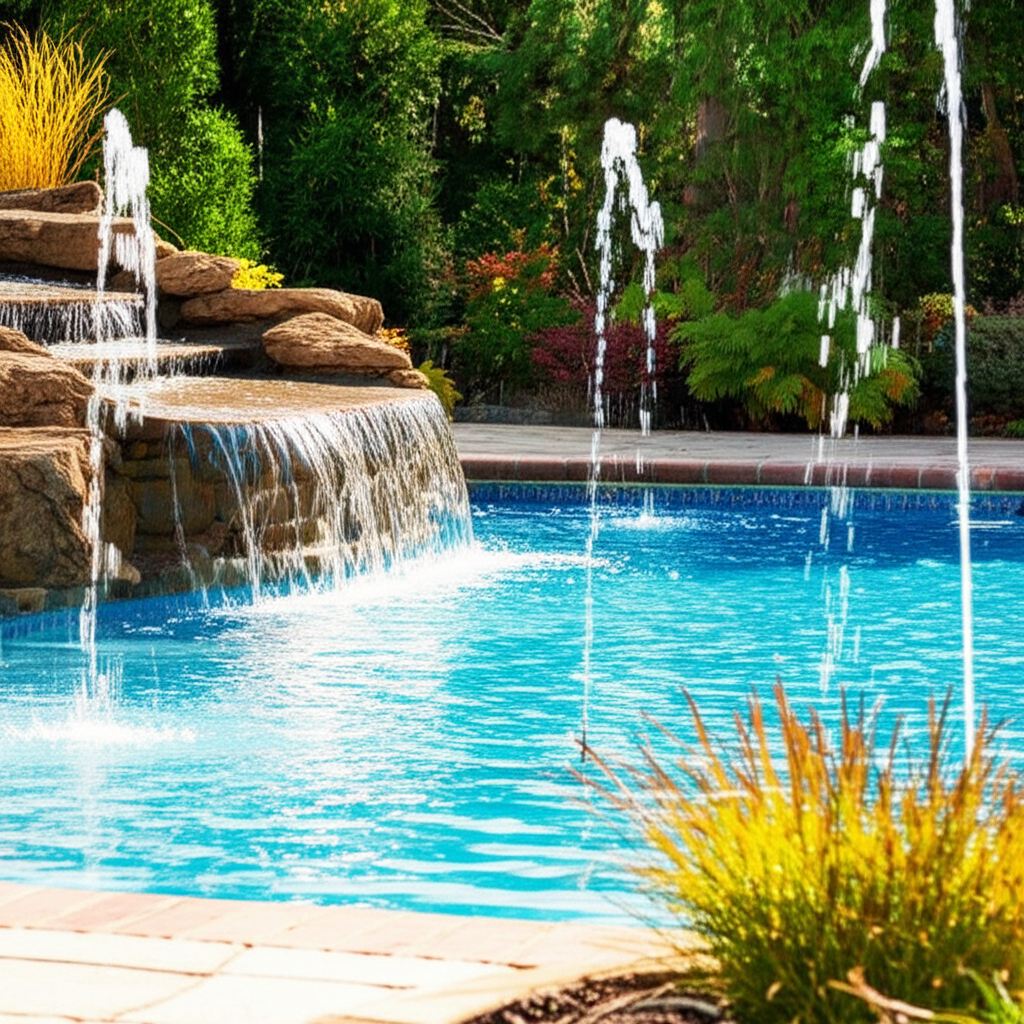
Landscaping: Soften the hard lines of the pool with appropriate plantings. Choose plants that are pool-friendly (minimal shedding, tolerant to splashes of chlorinated water, non-invasive roots). Create shade zones with pergolas, umbrellas, or strategic tree planting for breaks from the sun.
3. Utilities & Regulations: The Practicalities
Before any digging begins, understand the practical constraints:
Underground Utilities: Locate all underground pipes, electrical lines, septic systems, and drainage. Digging without this knowledge can be dangerous and costly.
Drainage: How will rainwater drain from around the pool area? Proper grading is essential to prevent water from pooling or damaging foundations.
Local Zoning & Building Codes: These dictate setbacks from property lines and structures, maximum coverage, fencing requirements, and more. Consult your local planning department early in the process. Proximity to power, water, and gas lines will also influence installation costs.
4. Future-Proofing Your Outdoor Space
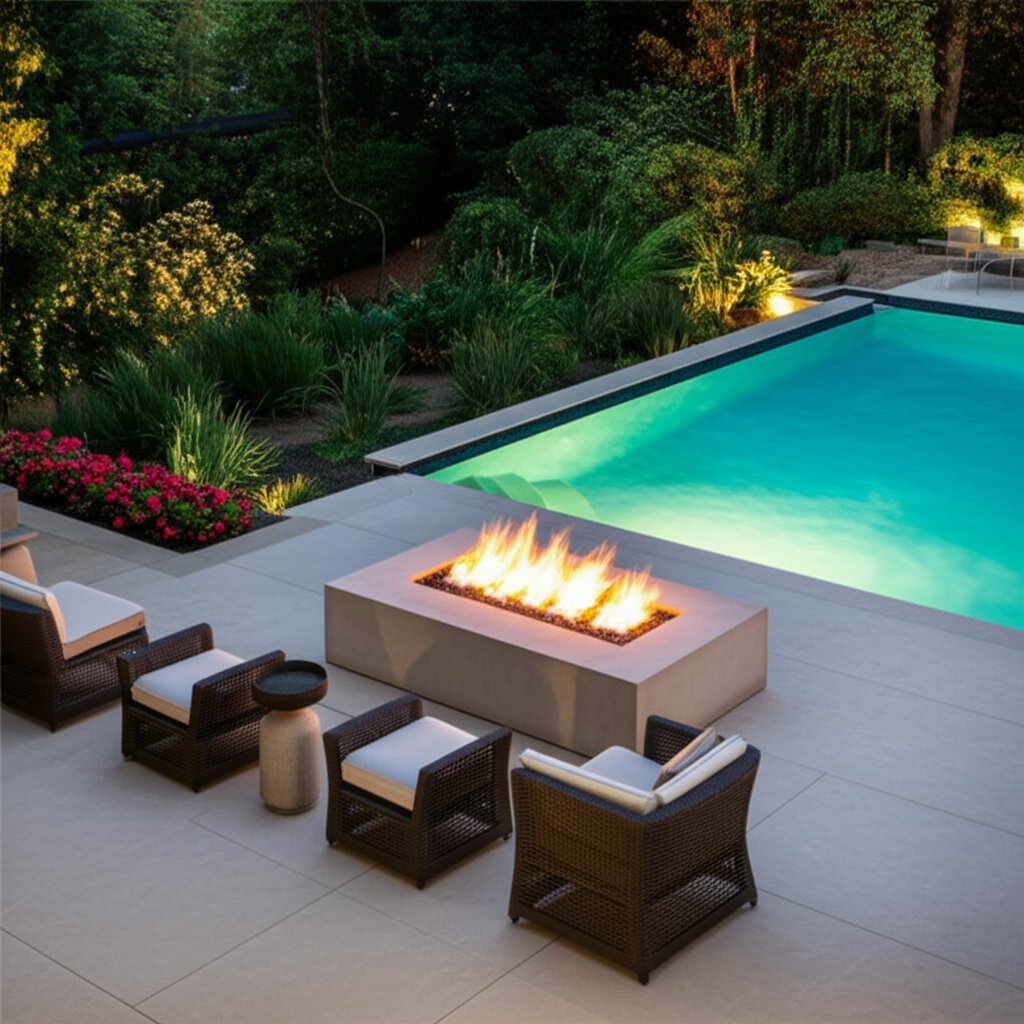
Consider potential future additions to your yard. Are you planning an outdoor kitchen, a fire pit, a garden, or a children’s play area later on? Ensure your pool placement doesn’t limit these possibilities or create awkward dead spaces. A well-thought-out plan allows for evolution.
Avoiding Common Pitfalls in Pool Placement
Ignoring Shade: Placing your pool entirely in shade might keep costs down but will make it less inviting.
Overlooking Property Lines: Not knowing your exact property boundaries and required setbacks can lead to costly redesigns or legal issues.
Underestimating Maintenance Access: Ensure there’s enough room around the pool for cleaning, maintenance equipment, and future repairs.
Forgetting Wind: A breezy spot will make your pool feel colder and require more cleaning.
* Disrupting Flow: A pool that blocks natural pathways or creates a barrier between different areas of your yard can hinder overall functionality.
Ultimately, determining the best pool location is a multi-faceted process that synthesizes personal desires with practical considerations. By taking a thoughtful, holistic approach to yard planning, engaging with professionals, and envisioning how you want to live and relax in your outdoor space, you can ensure your pool becomes a cherished centerpiece of your home for years to come.