- Why Routine Brushing is Non-Negotiable for a Healthy Pool
- The Right Tools for Effective Brushing
- How Often Should You Be Brushing Pool Walls?
- Brushing Pool Walls: A Step-by-Step Guide
- Tackling Specific Algae Types with Algae Brushing
- Conclusion
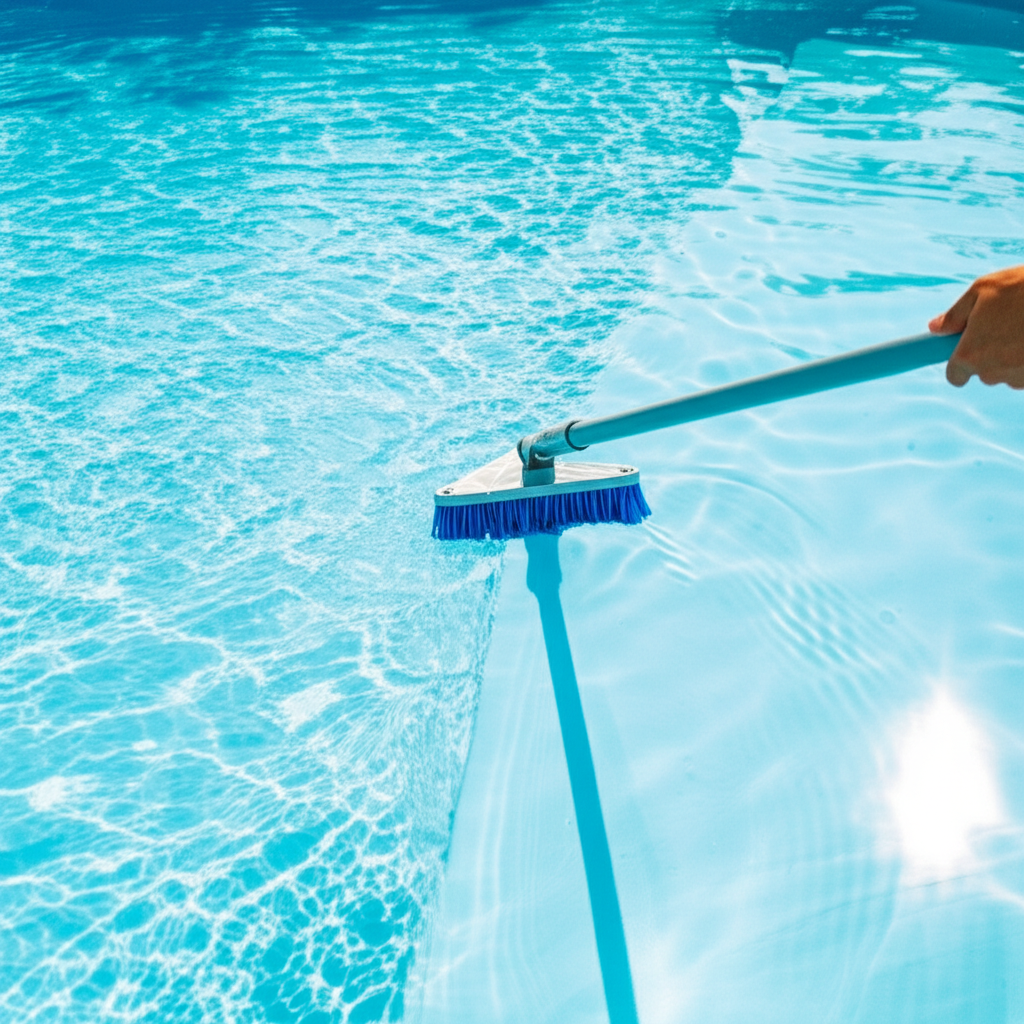
Brushing Pool Walls is a fundamental task often underestimated in the realm of pool maintenance, yet it is undeniably one of the most crucial steps to ensure your swimming haven remains sparkling clean, healthy, and inviting. More than just a cosmetic touch-up, regular brushing plays a vital role in preventing common pool problems, optimizing water chemistry, and extending the life of your pool’s surfaces. It’s an essential practice that, when carried out correctly and consistently, acts as a frontline defense against stubborn issues, particularly the insidious creep of algae.
Why Routine Brushing is Non-Negotiable for a Healthy Pool
Many pool owners might rely solely on their filtration system and chemical treatments, but brushing provides a level of cleanliness these methods can’t achieve alone. Here’s a closer look at why it’s so important:
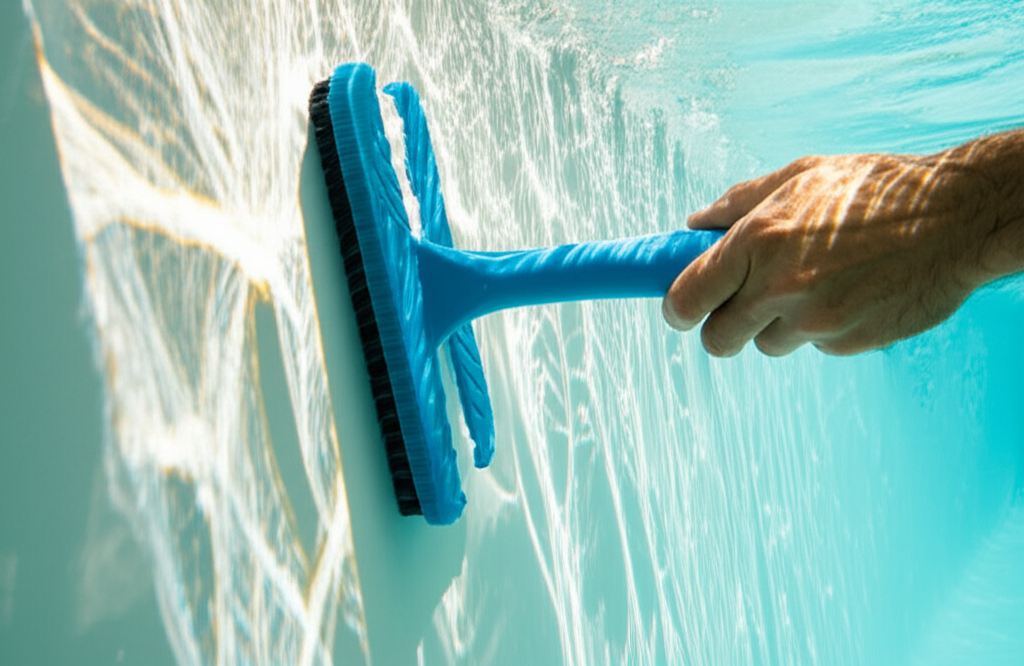
Algae Prevention and Removal: This is arguably the most significant benefit. Microscopic algae spores are always present in the environment, carried by wind, rain, and swimmers. These spores quickly settle on pool surfaces and, given the right conditions (sunlight, warmth, nutrients), can multiply rapidly to form visible colonies. Regular algae brushing dislodges these invisible spores and nascent algae growth before they can take hold, bloom, and turn your pool water green, yellow, or even black. It also breaks up existing algae patches, allowing sanitizers to penetrate and kill them more effectively.
Aids Circulation and Chemical Distribution: Brushing stirs up debris and dormant particles from the pool walls and floor. This allows your circulation system to effectively pull them into the filter for removal. Furthermore, by disturbing the water along the walls and in hard-to-reach areas, brushing helps pool chemicals circulate more evenly throughout the entire body of water, ensuring proper sanitization everywhere, not just in the main swimming area.
Prevents Stains and Mineral Buildup: Minerals like calcium can precipitate out of the water and attach to pool surfaces, forming unsightly scale deposits. Brushing helps to prevent this by scrubbing away these minuscule formations before they become hardened and require more aggressive, potentially damaging treatments. It also helps to prevent dirt and organic matter from embedding into the surface, which can lead to permanent staining.
Enhances Water Clarity and Quality: By removing biofilm, algae, and suspended particles, brushing significantly contributes to clearer, more visually appealing water. This also means less strain on your filter and potentially lower chemical consumption over time.
The Right Tools for Effective Brushing
Choosing the correct brush for your pool surface is paramount to effective cleaning without causing damage.
Nylon Brushes: Ideal for delicate surfaces such as vinyl liners, fiberglass, painted concrete, and acrylic. Nylon bristles are soft enough not to scratch these materials while still being effective at dislodging debris and algae.
Wire Brushes (Stainless Steel): These are specifically designed for rougher, more durable surfaces like concrete, gunite, and plaster. The stiff wire bristles are excellent for scrubbing away stubborn algae (especially black algae) and mineral deposits. Crucially, never use a wire brush on vinyl, fiberglass, or painted pools, as it will cause irreversible damage.
Combination Brushes: Some brushes feature a mix of nylon and wire bristles, offering versatility for certain textured concrete pools or unique surface types.
Telescopic Pole: A sturdy, adjustable pole is essential to reach all areas of your pool, from the waterline to the deep end floor.
How Often Should You Be Brushing Pool Walls?
The general recommendation for most residential pools is to perform brushing pool walls at least once a week. However, several factors can influence this frequency:
Heavy Use: More swimmers introduce more contaminants, necessitating more frequent brushing.
Weather Conditions: Heavy rain can introduce algae spores and dirt, while high temperatures accelerate algae growth. Brush more often during these periods.
Algae Presence: If you notice even the slightest hint of algae (green tint, slimy walls), increase your brushing frequency to daily until the problem is resolved.
Chemical Imbalance: Poorly balanced water chemistry, particularly low sanitizer levels, can lead to rapid algae growth, requiring more brushing.
New Pools/Opening a Pool: New pools often benefit from more frequent brushing to help cure plaster surfaces or dislodge construction debris. Similarly, opening a pool after winter will require thorough brushing.
Brushing Pool Walls: A Step-by-Step Guide
Follow these steps for an efficient and thorough brushing session:
1. Prepare Your Pool: Before you start brushing, ensure your pool water chemistry is balanced, especially your sanitizer levels. This will maximize the effectiveness of your efforts against algae. Also, remove any large debris from the surface with a leaf skimmer.
2. Start from the Top: Begin at the waterline, brushing outward from the tile line (if applicable) and around skimpipes. Pay attention to any scum lines or buildup here.
3. Work Your Way Down: Attach the appropriate brush to your telescopic pole. Start from the shallow end and work your way around the pool, brushing the walls and floor in overlapping strokes. Use firm but controlled movements. Don’t forget steps, benches, and coves where debris and algae often accumulate.
4. Target High-Risk Areas: Give extra attention to shaded areas, corners, ladder treads, and behind lights/skimmers. These spots are often missed by circulation and are prime breeding grounds for algae.
5. Let the Particles Settle: Once you’ve brushed the entire pool, let the water circulate for a few hours (at least 2-4 hours, or even overnight if heavily brushed) to allow dislodged particles to settle on the pool floor.
6. Vacuum and Filter: After brushing, vacuum your pool to remove the settled debris. If your pool was particularly dirty or had significant algae, consider vacuuming to waste to avoid overloading your filter. After vacuuming, backwash or clean your filter to ensure it’s operating efficiently.
7. Re-check Chemicals: Following a thorough brushing and vacuuming, it’s wise to re-test your pool water and adjust chemicals as needed, especially if you were battling an algae bloom.
Tackling Specific Algae Types with Algae Brushing
Each type of algae requires a specific approach, and algae brushing is always a critical component:
Green Algae: The most common and easiest to treat. Regular brushing combined with shocking the pool will usually clear it up quickly. Brush thoroughly before and after shocking.
Yellow/Mustard Algae: More resistant than green algae, it often adheres stubbornly to surfaces. Use a good quality brush (wire brush on plaster/gunite) and rigorous scrubbing. Specialty mustard algae treatments often require brushing multiple times during the treatment process.
Black Algae: This is the most challenging form of algae, characterized by dark spots that burrow into porous surfaces. It requires aggressive brushing with a stiff wire brush (on compatible surfaces) to break through its protective layers. Often, individual spots need to be attacked directly with a trichlor tablet (held carefully against the spot) after intense brushing. Consistent, forceful brushing is key before, during, and after specialized black algae treatments.
Conclusion
Routine brushing pool walls is far more than just a chore; it’s an indispensable part of comprehensive pool care, contributing significantly to water quality, pool hygiene, and surface longevity. By arming yourself with the right tools, understanding proper techniques, and maintaining a consistent schedule, you can proactively prevent many common pool problems. Embrace this vital task, and you’ll be rewarded with a clearer, cleaner, and healthier swimming environment all season long.