- Understanding Calcium Hardness and Its Impact
- Why Calcium Levels Matter: The Two Extremes
- The Ideal Zone: Achieving Crystal Water
- Testing and Adjusting Calcium Hardness Levels
- Effortless Maintenance for Lasting Clarity
Calcium Hardness is a critical, yet often overlooked, parameter in maintaining pristine pool water. Achieving perfectly balanced water isn’t just about aesthetics; it’s about protecting your pool’s structure and equipment, extending their lifespan, and ensuring a truly enjoyable swimming experience. While the concept of water hardness might seem complex, understanding and managing calcium levels can be an effortless path to crystal-clear water.
Understanding Calcium Hardness and Its Impact
At its core, Calcium Hardness refers to the concentration of dissolved calcium and magnesium minerals in your pool water. These minerals are naturally present in most tap water supplies and can also be introduced through certain pool chemicals or plaster finishes. When discussing “water hardness” in a general sense, we’re typically referring to the same mineral content. The level of these minerals directly influences the water’s corrosive or scaling potential.
For pool owners, the goal is to strike a delicate balance. Water that is too soft (low calcium) becomes aggressive, constantly seeking to absorb minerals from any available source. Conversely, water that is excessively hard (high calcium) can lead to mineral precipitation, forming stubborn scale deposits.
Why Calcium Levels Matter: The Two Extremes
Maintaining the correct range for calcium hardness is paramount for the health and longevity of your pool. Deviations in either direction can lead to significant problems that detract from both the appearance and functionality of your swimming environment.
1. The Dangers of Low Calcium Hardness (Soft Water)
When calcium levels drop too low, your pool water becomes “hungry” for minerals. It will actively seek to re-harden itself by dissolving calcium from any adjacent surface. This destructive process can lead to:
Corrosion of Metal Components: Ladders, handrails, heaters, pumps, and even internal plumbing can suffer deterioration, leading to rust stains and costly repairs.
Etching of Surfaces: Plaster, grout, and tile lines can become pitted, rough, and discolored as the water leaches calcium from them.
Damage to Liners: Vinyl liners can become brittle, leading to premature cracking and tearing.
Foaming Water: Certain pool chemicals may foam more easily in very soft water.
2. The Problems with High Calcium Hardness (Hard Water)
On the other end of the spectrum, excessive calcium levels are equally problematic. When the water becomes supersaturated with calcium, the minerals begin to precipitate out of the solution, forming deposits. This leads to:
Scale Formation: Uglier, rough white or grayish deposits can appear on pool surfaces (tiles, plaster, fiberglass), equipment (heaters, salt cells, filters), and plumbing. This scale is unsightly and difficult to remove.
Cloudy Water: High calcium levels are a common culprit behind persistent cloudy or hazy water that won’t clear up, even with proper filtration and sanitization.
Reduced Equipment Efficiency: Scale buildup in heaters can reduce their efficiency, increasing energy costs. Scale in filters can impair their ability to clean the water effectively. Salt chlorine generator cells are particularly susceptible to scaling, reducing their lifespan and output.
Rough Surfaces: The smooth finish of your pool can become rough and unpleasant to the touch.
The Ideal Zone: Achieving Crystal Water
For most pool types, the recommended range for Calcium Hardness is between 150 and 250 parts per million (ppm), with some sources suggesting up to 400 ppm for plaster pools. Within this optimal window, your pool water is neither corrosive nor scale-forming, creating a stable environment where your sanitizers work efficiently, and your pool surfaces and equipment are protected. This balanced state is key to maintaining truly crystal water that sparkles invitingly.
Testing and Adjusting Calcium Hardness Levels
Regularly testing your pool water is the first step toward effortless maintenance. Pool test kits or strips typically include a parameter for calcium hardness. It’s advisable to test at least once a month, and more frequently if you’re experiencing issues.
Fixing Low Calcium Hardness:
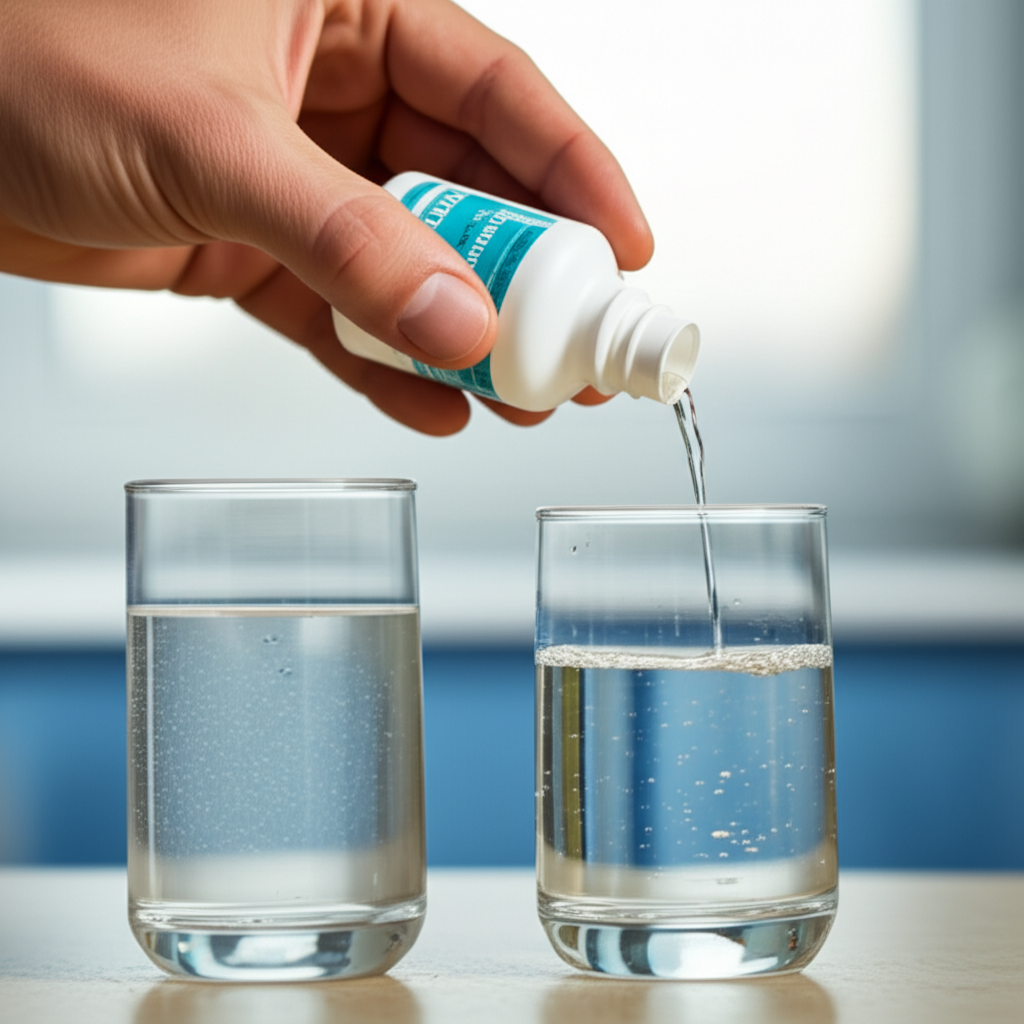
This is the easier of the two fixes. If your calcium levels are too low, you simply add a calcium hardness increaser, which is typically calcium chloride. Follow the product’s instructions carefully to determine the correct dosage based on your pool volume and current calcium level. Add the chemical slowly and gradually, allowing it to dissolve, and retest after a few hours or the next day before making further adjustments.
Fixing High Calcium Hardness:
This poses a greater challenge but is still manageable. Unlike many other pool chemicals, calcium does not evaporate or get consumed; it only increases over time through evaporation (leaving minerals behind), refilling with hard tap water, or adding certain algaecides or shock treatments. The most effective and common “effortless fix” for high calcium hardness is:
Partial Drain and Refill: This is the most straightforward method. By draining a portion of your pool water (e.g., 25-50%) and refilling it with fresh, softer water, you effectively dilute the high calcium concentration. Repeat this process as needed until your levels are within the desired range. Consider renting a reverse osmosis filter for particularly persistent hard water issues, although this is a more specialized (and less “effortless”) solution.
Scale Inhibitors/Chelating Agents: While these products don’t remove calcium from the water, they bind to mineral ions, preventing them from precipitating out and forming scale. They are excellent preventative measures, protecting your surfaces and equipment even if your calcium levels are slightly elevated.
* Specialized Calcium Removal Filters: For extreme cases, there are professional services that use specialized filtration systems (like mobile reverse osmosis units) to significantly reduce the calcium hardness of your entire pool without draining it. While not an “effortless” DIY, it’s a highly effective solution.
Effortless Maintenance for Lasting Clarity
An effortless approach to calcium hardness management involves continuous awareness and proactive measures. By understanding the role of calcium, testing regularly, and making timely adjustments, you can prevent the problems associated with both high and low levels. Incorporating scale inhibitors as a routine part of your chemical regimen can also act as an insurance policy against mineral buildup, especially if your fill water is naturally hard.
Ultimately, balancing Calcium Hardness is a cornerstone of comprehensive pool care. It’s a key factor in achieving that coveted sparkle and ensuring that your pool remains a source of relaxation and joy for years to come. With a little knowledge and consistent monitoring, you can easily conquer calcium hardness and delight in perfectly crystal water.