- Why Your Pool Water Turns Cloudy
- The Impact of Cloudy Water
- Tackling Cloudy Water: Immediate Steps
- Harnessing the Power of a Pool Clarifier
- Sustaining Stunning Pool Clarity
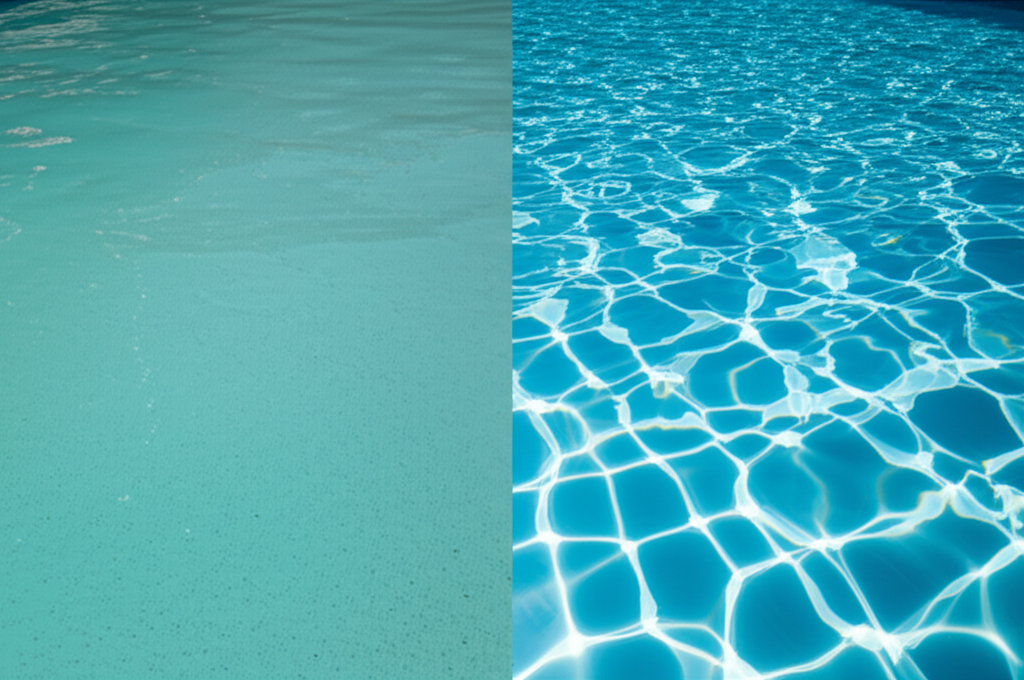
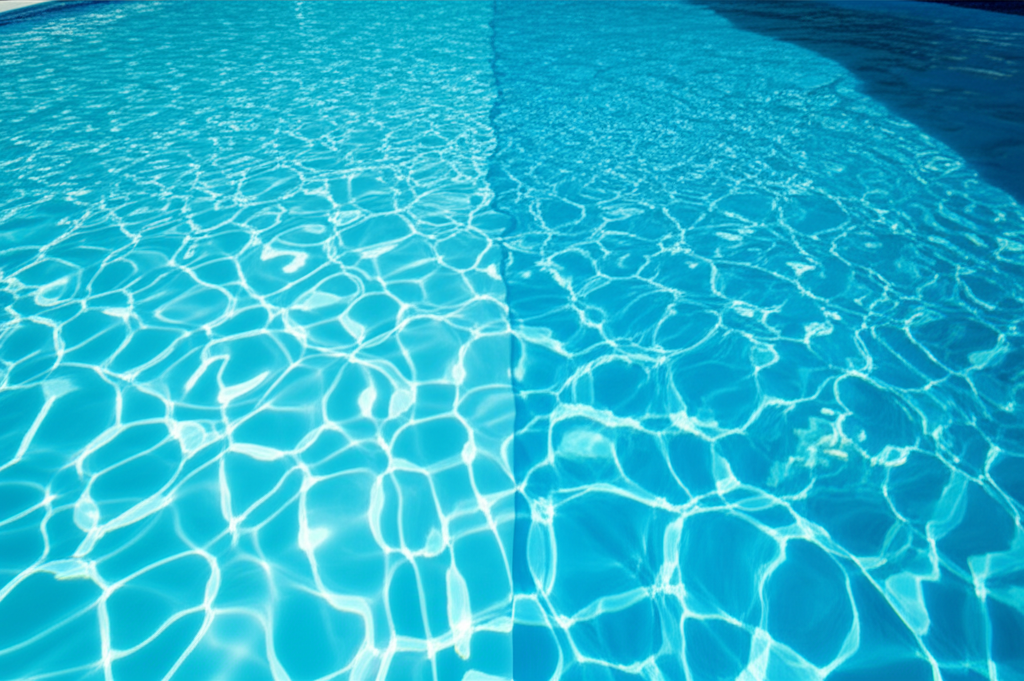
Cloudy water in a swimming pool is more than just an aesthetic nuisance; it’s a red flag indicating an imbalance or issue within your pool’s ecosystem. The dream of a sparkling, inviting pool can quickly turn into a murky reality, prompting pool owners to seek effective solutions for restoring that sought-after pristine clarity. Understanding the root causes of cloudiness and employing the right strategies, including the strategic use of a pool clarifier, is key to transforming your pool from hazy to heavenly.
Why Your Pool Water Turns Cloudy
Several factors can contribute to the development of cloudy water, and often, it’s a combination of these elements. Identifying the specific culprits in your pool is the first step toward achieving lasting clarity.
Chemical Imbalance: This is perhaps the most common reason. Incorrect pH levels (ideally between 7.4 and 7.6), low sanitizer (chlorine) levels, improper alkalinity, or high calcium hardness can all lead to turbidity. When chemicals are out of whack, particles can remain suspended rather than being captured by the filter.
Ineffective Filtration: Your pool filter is the workhorse designed to remove debris and microscopic particles. A dirty, clogged, undersized, or malfunctioning filter system can’t do its job effectively, allowing particles to circulate freely and cause cloudiness. Dirty filter cartridges, sand filters overdue for a backwash, or DE filters needing a recharge are frequent culprits.
Algae Bloom (Early Stages): Even before you see large patches of green, black, or mustard algae, tiny microscopic algae spores can proliferate and turn the water cloudy. This often presents as a milky or greenish haze.
Environmental Factors & Debris: Rain can introduce dirt, pollen, and other contaminants into the pool, altering water chemistry. Leaves, twigs, dust, and even dissolved organic matter from swimmers can contribute to a cloudy appearance if not properly circulated and filtered out.
High Bather Load: A large number of swimmers can introduce lotions, oils, sweat, and other organic materials into the water, overwhelming the sanitizer and filtration system.
The Impact of Cloudy Water
Beyond its unattractive appearance, cloudy water poses several problems. It can be a safety hazard, as swimmers may not be able to see the bottom of the pool or detect potential obstacles. Furthermore, water clarity is often an indicator of water quality; cloudy water suggests an environment where bacteria and other pathogens could potentially thrive, making it unsafe for swimming. Prolonged cloudiness can also strain your pool equipment, leading to higher energy consumption and premature wear and tear on pumps and filters.
Tackling Cloudy Water: Immediate Steps
When faced with a cloudy pool, a systematic approach is essential. Don’t jump straight to a quick fix without addressing the underlying issues.
1. Test Your Water Thoroughly: Use a reliable test kit or take a water sample to a local pool supply store for a comprehensive analysis. Pay close attention to pH, alkalinity, calcium hardness, and chlorine levels.
2. Adjust Chemical Levels: Based on your test results, carefully add the necessary chemicals to bring everything into ideal ranges. Prioritize chlorine (ensure it’s at least 1-3 ppm), pH, and alkalinity.
3. Inspect and Clean Your Filter: If your filter hasn’t been serviced recently, now is the time. Backwash sand filters, rinse or clean cartridge filters with a specialized cleaner, and recharge DE filters. Ensure your filter is running for at least 8-12 hours per day, or even 24 hours if the cloudiness is severe.
4. Brush Pool Surfaces: Use a pool brush to scrub the walls, floor, and steps. This helps dislodge any particles clinging to surfaces, allowing them to be circulated and filtered out.
5. Vacuum the Pool: If there’s visible debris on the bottom, vacuum it. For very fine particulate matter, consider vacuuming to waste (if your filter allows) to prevent overloading your filter.
Harnessing the Power of a Pool Clarifier
Even after balancing chemicals and cleaning the filter, microscopic particles may remain suspended, making the water appear dull or hazy. This is where a pool clarifier becomes an invaluable tool.
A pool clarifier works by coagulating or “flocculating” these tiny particles. It contains polymers that cause microscopic debris (too small for the filter to catch) to stick together, forming larger clusters. Once these clusters are big enough, your pool filter can effectively trap them, removing them from circulation.
There are various types of pool clarifiers:
Liquid Clarifiers: These are the most common and are typically added directly to the pool water.
Clarifier Tablets/Pods: These are slow-release formulas often placed in the skimmer basket.
Clarifier Cartridges: Designed for specific types of filters, these cartridges release clarifier over time.
When using a pool clarifier, always follow the manufacturer’s instructions for dosage and application. Generally, you add the recommended amount, ensure your pump is running for adequate circulation, and allow the filter to do its job. It’s crucial not to overdose, as too much clarifier can sometimes lead to an even worse cloudy condition. A pool clarifier is an excellent maintenance product for maintaining sparkle or for addressing mild cloudiness, acting as a powerful ally in the battle against murky water.
Sustaining Stunning Pool Clarity
Achieving clear water is one thing; maintaining it is another. Regular maintenance is the bedrock of a consistently sparkling pool.
Consistent Chemical Balance: Make water testing and chemical adjustments a routine part of your pool care. Weekly testing is often sufficient for residential pools.
Effective Filtration: Ensure your filter is correctly sized for your pool, kept clean, and running for the appropriate duration daily.
Regular Cleaning: Skim debris daily, brush weekly, and vacuum as needed.
Periodic Shock Treatments: Super-chlorination (shocking) helps break down organic contaminants and kill lingering algae spores that can contribute to cloudiness.
* Monitor Bather Load: If you anticipate a large number of swimmers, consider a small dose of clarifier preventatively and ensure your chlorine levels are robust before and after.
A consistently clear pool isn’t just about aesthetics; it’s about creating a safe, healthy, and enjoyable swimming environment. By understanding the causes of cloudy water, diligently following a preventative maintenance schedule, and judiciously employing solutions like a quality pool clarifier, you can ensure your pool remains a pristine oasis all season long. The satisfaction of diving into crystal-clear water truly is the ultimate reward for your efforts.