- Why Consider DIY Pool Construction?
- Navigating the World of DIY Pool Kits
- Building Your Own Pool: The Step-by-Step Journey
- Essential Considerations for Your DIY Pool Construction
- Conclusion: Your Dream Pool Awaits
Dive into Savings: Your Guide to DIY Pool Construction
DIY pool construction has emerged as an exciting and increasingly popular option for homeowners dreaming of a backyard oasis without the exorbitant costs typically associated with professional installations. The allure isn’t just about saving money; it’s about the profound satisfaction of crafting a unique swimming experience with your own hands, tailoring every detail to your vision, and ultimately creating a stunning centerpiece for outdoor living. Beyond the financial benefits, building your own pool offers a deep sense of accomplishment and a truly customized retreat right outside your door.
Why Consider DIY Pool Construction?
For many, the biggest hurdle to owning a pool is the steep price tag. Traditional inground pool installations can easily run into tens of thousands of dollars, placing them out of reach for a significant number of families. This is where DIY pool construction shines. By taking on the labor yourself or managing the project directly, you can drastically reduce expenditures, often by 30-50% or more.
But affordability is just one facet. Opting for a DIY approach grants you the freedom to:
Select Specific Materials: Choose the liner, coping, decking, and finishes that align perfectly with your aesthetic and budget.
Design Custom Shapes and Sizes: Avoid standard cookie-cutter designs and create a pool that uniquely fits your landscape and lifestyle.
Integrate Personal Design Elements: From custom lighting and water features to integrated seating, every detail can be a reflection of your taste.
Gain Immense Satisfaction: There’s an unparalleled sense of pride in swimming in a pool you helped create.
It’s an investment in your home, your lifestyle, and countless future memories, all built to your exact specifications.
Navigating the World of DIY Pool Kits
The idea of building your own pool might initially sound daunting, evoking images of heavy machinery and complex engineering. However, the market has evolved dramatically, offering comprehensive DIY pool kits that simplify the process considerably. These kits come in various types, primarily focusing on inground and semi-inground options, and typically include the main components needed for the pool structure.
Common types of DIY pool kits include:
Inground Vinyl Liner Kits: These are perhaps the most popular DIY option. They consist of steel or polymer wall panels that form the pool’s structure, a custom-fit vinyl liner, coping, and necessary plumbing components. Once installed and the ground is properly prepared, the liner is carefully placed and sealed to create a watertight and aesthetically pleasing interior.
Fiberglass Pool Shells (DIY delivery/installation): While not a “kit” in the traditional sense of assembly, some homeowners choose to purchase pre-fabricated fiberglass shells and handle the excavation, setting, and backfilling themselves. This requires significant coordination and expertise but can still lead to substantial savings compared to a full-service installation.
Above-Ground & Semi-Inground Kits: These are generally the most straightforward for DIY enthusiasts, often requiring less excavation and a simpler installation process. They make excellent entry points for those new to pool construction, offering a more manageable project scope.
These kits typically provide detailed instructions, and many suppliers offer technical support, making the project manageable for persistent and well-prepared individuals.
Building Your Own Pool: The Step-by-Step Journey
Embarking on the journey of building your own pool is a multi-stage process that, while demanding, is incredibly rewarding. Here’s a general overview of the steps involved:
1. Planning and Design: This is arguably the most crucial step. Decide on the size, shape, depth, and precise location of your pool. Consider factors like sunlight exposure, proximity to utilities, and local zoning laws. Most importantly, obtain all necessary permits from your local municipality before any digging begins—this is non-negotiable.
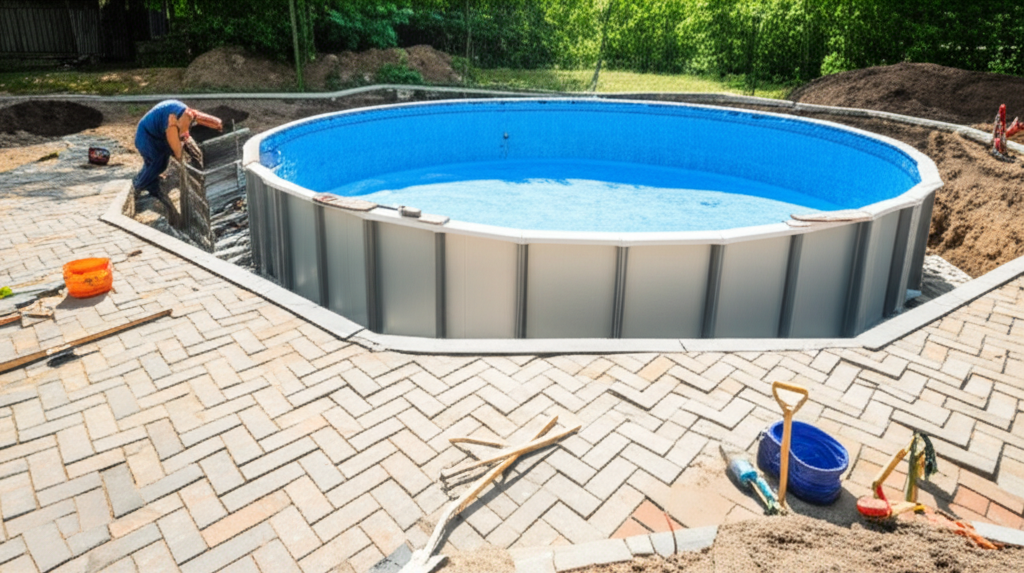
2. Site Preparation and Excavation: Once permits are secured, the real work starts. Clear the site of any debris, accurately mark the pool’s outline, and begin excavation. This might involve renting professional equipment like an excavator or hiring a small crew specifically for the digging portion.
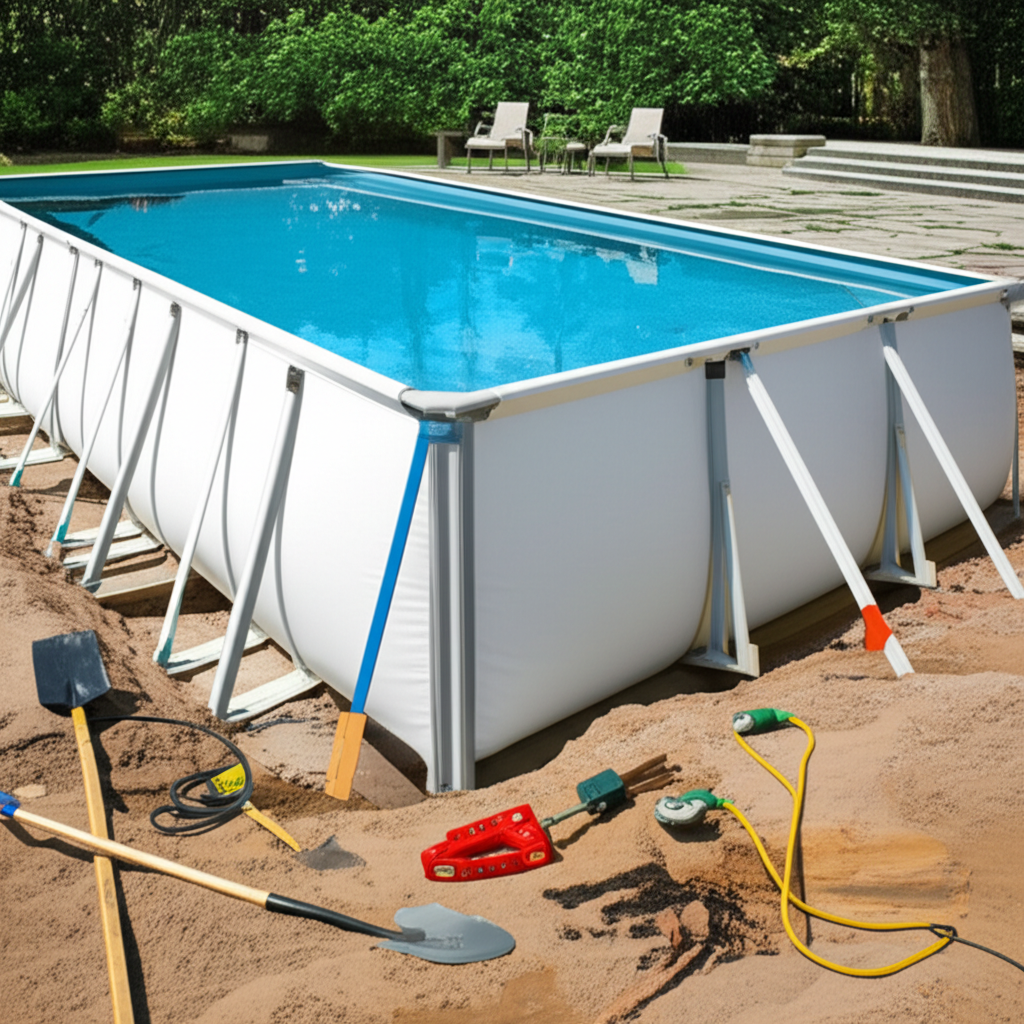
3. Panel Assembly and Wall Installation (for liner kits): Follow your kit’s instructions precisely to assemble the wall panels, ensuring they are perfectly level and plumb. Backfill the exterior of the walls to stabilize the structure.
4. Plumbing and Electrical: Install the skimmers, return jets, main drain, and run the necessary plumbing lines to the pump and filter location. Electrical wiring for the pump, lighting, and any heaters must be done by a qualified electrician to ensure safety and compliance with local codes.
5. Floor Preparation and Liner Installation: For vinyl liner pools, the floor is typically a smooth, compacted layer of sand or vermiculite, shaped according to the pool’s design. Once the floor is pristine, the vinyl liner is carefully unrolled, positioned, and vacuum-sealed into place, creating the pool’s interior surface.
6. Filling and Equipment Setup: Begin filling the pool with water. As it fills, set up and connect your pump, filter, heater, and any other essential equipment. Test all systems thoroughly before using the pool.
7. Decking and Landscaping: The final touches, like decking, coping, and surrounding landscaping, transform the functional structure into a beautiful, integrated backyard haven.
Essential Considerations for Your DIY Pool Construction
Before diving headfirst into DIY pool construction, a few critical factors require careful attention:
Permits and Regulations: Every locality has specific building codes and permit requirements for pool installation. Failing to obtain the correct permits can lead to fines, forced removal, and serious legal issues. Consult your local planning department early in the process.
Tools and Equipment: Beyond basic hand tools, you will likely need access to excavators, compactors, transit levels, and specialized plumbing tools. Renting is often a cost-effective solution for larger equipment.
Time Commitment: This is not a weekend project. Depending on the type of pool, your experience level, and the complexity of your site, a DIY build can take weeks or even months of dedicated effort, especially if you’re working primarily on weekends or evenings.
Physical Demands: Pool construction involves significant physical labor, including heavy lifting, digging, and precise placement of components. Be realistic about your physical capabilities and consider enlisting help.
Hidden Costs: Always budget for unexpected expenses. These can include additional fill dirt, specialized tools you didn’t anticipate, unforeseen plumbing repairs, or variations in material costs.
* Ongoing Maintenance: Remember that a pool requires regular maintenance, including water chemistry testing, cleaning, and equipment upkeep, regardless of who builds it. Factor these long-term responsibilities into your decision.
Conclusion: Your Dream Pool Awaits
The prospect of DIY pool construction is a testament to the modern homeowner’s desire for both beauty and value. While it demands dedication, careful planning, and a willingness to learn, the rewards are immense. Imagine the pride of stepping into a stunning, custom-built swimming pool that you largely brought to life yourself—a personal sanctuary that didn’t break the bank. With the right DIY pool kits and a committed approach, your dream of an affordable, breathtaking backyard oasis is well within reach. Begin your comprehensive research, gather your resources, and prepare to make a splash!