- Understanding the Allure of a Fiberglass Pool: Unpacking the Pros
- Considering the Downside: Potential Cons of a Fiberglass Pool
- Making an Informed Decision
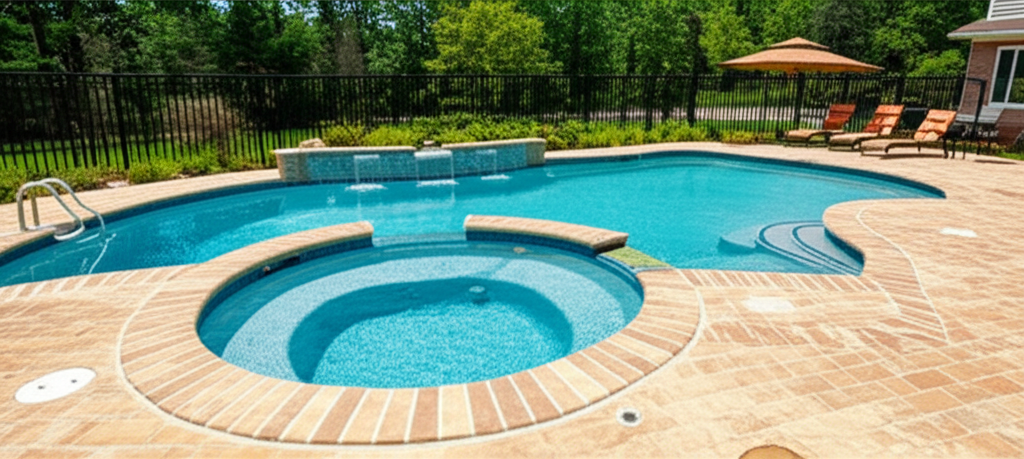
Fiberglass Pool: In the realm of backyard sanctuaries, these contemporary aquatic installations have surged in popularity, offering a distinct blend of aesthetic appeal, durability, and convenience. For many homeowners dreaming of a personal oasis, a fiberglass pool presents an attractive alternative to traditional concrete or vinyl liner options. This comprehensive guide aims to dissect the multifaceted nature of fiberglass pools, exploring their undeniable advantages alongside their potential drawbacks, to equip you with the knowledge needed to make an informed decision for your outdoor living space.
Understanding the Allure of a Fiberglass Pool: Unpacking the Pros
A fiberglass pool, often referred to interchangeably as a composite pool, is a pre-formed shell created from multiple layers of fiberglass material reinforced with resin, typically finished with a durable gel coat. This unique construction method underpins many of its key benefits:
1. Unrivaled Durability and Strength:
Unlike concrete pools which can crack due to ground movement, or vinyl liners prone to tearing, fiberglass shells possess an inherent flexibility. This allows them to withstand minor shifts in the earth without compromising structural integrity. The composite material is incredibly strong, built to last for decades with minimal structural concerns.
2. Exceptionally Smooth and Non-Porous Surface:
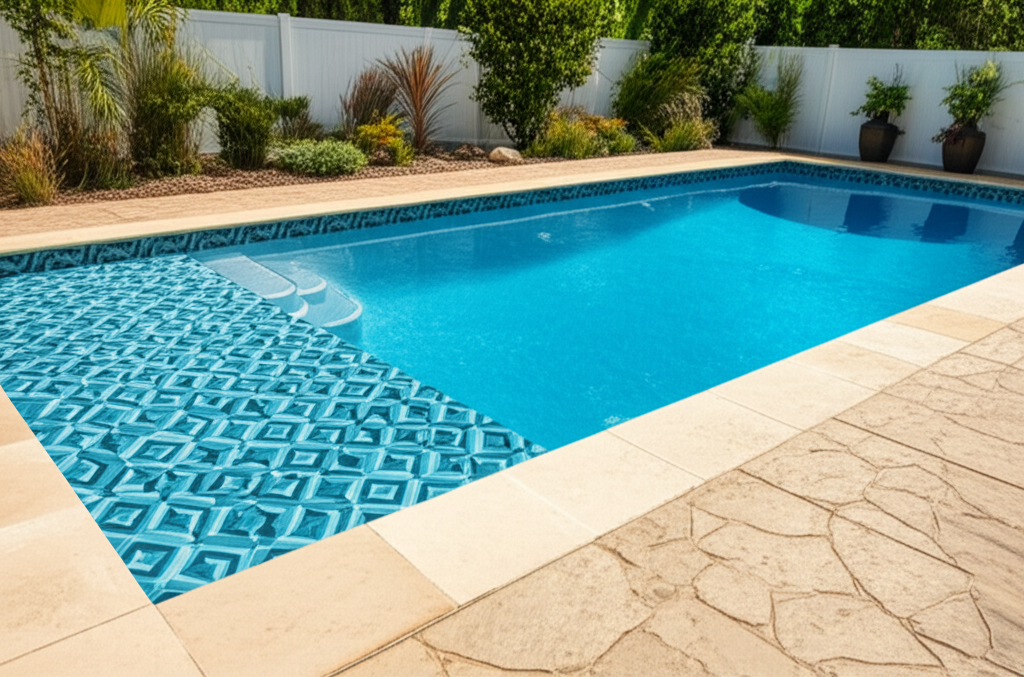
The gel coat finish of a fiberglass pool creates a luxuriously smooth surface. This isn’t just a comfort feature for swimmers; it’s a practical advantage. The non-porous nature actively resists algae growth, significantly reducing the amount of scrubbing and chemical treatments required compared to the naturally rougher surfaces of concrete pools. This smoothness also makes it gentle on skin and swimsuits, preventing scrapes and snags.
3. Rapid Installation Time:
One of the most appealing aspects of a fiberglass pool is its speed of installation. Since the shell is manufactured off-site, the on-site installation process typically takes just a few weeks, or even days, from excavation to filling your pool. This dramatically cuts down on construction time and disruption to your property, allowing you to enjoy your new pool much sooner than with other types.
4. Low Maintenance Requirements:
Thanks to its non-porous gel coat, fiberglass pools require less time and money for maintenance. Less algae means less brushing, fewer chemicals, and less need for costly acid washes or plaster resurfacing (which concrete pools periodically require). You won’t face liner replacements, a significant expense associated with vinyl liner pools every 5-10 years.
5. Energy Efficiency:
The insulating properties of fiberglass can help maintain water temperature slightly better than concrete pools, potentially leading to lower heating costs if you choose to warm your pool.
6. Pet-Friendly Design:
The smooth surface is gentle on delicate paws, making fiberglass pool a safer and more enjoyable option for your furry companions who love a dip.
7. Lower Lifetime Cost of Ownership:
While the initial investment might be higher than a vinyl liner pool, the reduced maintenance needs, lower chemical consumption, and absence of major future renovations (like replastering or liner replacement) often translate to lower lifetime ownership costs for a fiberglass pool.
Considering the Downside: Potential Cons of a Fiberglass Pool
While the advantages are substantial, a composite pool also comes with certain limitations that prospective owners should carefully consider:
1. Limited Shapes and Sizes:
Since fiberglass pools are manufactured as a single unit in a factory, the available shapes and sizes are pre-determined by the manufacturer’s molds. This means less customization compared to concrete pools, which can be formed into virtually any shape or depth. If you have a very specific, unique design vision, a fiberglass pool might not offer the flexibility you desire. Additionally, there are practical limits to the size of a single-piece shell that can be transported.
2. Higher Upfront Cost:
Generally, the initial purchase and installation cost of a fiberglass pool can be higher than a vinyl liner pool, and sometimes comparable to, or even slightly more than, a basic concrete pool depending on the region and features. While long-term savings often mitigate this, it’s an important factor for initial budget planning.
3. Transportation and Access Challenges:
Moving a large, pre-formed fiberglass shell from the factory to your backyard requires specialized transport and careful maneuvering. This can be challenging or even impossible for properties with narrow access points, overhead power lines, or severe landscaping constraints. Crane services are often necessary, adding to the installation cost.
4. Potential for “Fiberglass Pop”:
In areas with high water tables, an improperly installed or drained fiberglass pool can potentially “pop out” of the ground. This occurs when external groundwater pressure, combined with internal lack of water weight, forces the buoyant shell upwards. While rare and preventable with proper installation techniques (e.g., adequate drainage systems), it’s a risk unique to this type of pool.
5. Gel Coat Fading or Blistering (Rare but Possible):
While modern gel coats are highly durable, over many decades, prolonged exposure to harsh UV rays and improper chemical balance can, in very rare instances, lead to fading or cosmetic blistering of the surface. This is typically a superficial issue and less common in high-quality fiberglass pools.
Making an Informed Decision
Choosing a pool is a significant investment, and the decision hinges on balancing your budget, lifestyle, aesthetic preferences, and tolerance for maintenance. A fiberglass pool offers an excellent solution for those prioritizing quick installation, low maintenance, comfort, and long-term durability. Its smooth, non-porous surface makes it a joy to own and relatively inexpensive to maintain over its lifetime.
However, if your vision demands a highly custom shape, exceptionally large size, or you have challenging property access, fiberglass may present limitations. Weigh the appealing low-maintenance lifestyle and robust construction against the upfront cost and design constraints. By carefully considering these pros and cons, you can determine if a fiberglass pool is indeed the ultimate choice for transforming your backyard into the aquatic retreat of your dreams.