- Why Embrace Sustainable Pool Maintenance?
- Foundations of Green Pool Care
- 1. Water Conservation
- 2. Energy Efficiency
- 3. Chemical Reduction & Alternatives
- Practical Steps for a Sustainable Pool
- Beyond the Basics: Advanced Green Pool Care
- Conclusion
Green Pool Care: Your Ultimate Guide to Eco-Friendly Maintenance
Green Pool Care is more than just a trend; it’s a responsible and increasingly popular approach to maintaining your beloved swimming oasis while minimizing your environmental footprint. As the world shifts towards more sustainable living, our recreational spaces, including swimming pools, are no exception. Embracing eco-friendly practices not only benefits the planet but can also lead to healthier water, reduced operational costs, and a more enjoyable swimming experience for everyone. This comprehensive guide will walk you through the essential steps and innovative solutions for transforming your conventional pool into a truly sustainable haven.
Why Embrace Sustainable Pool Maintenance?
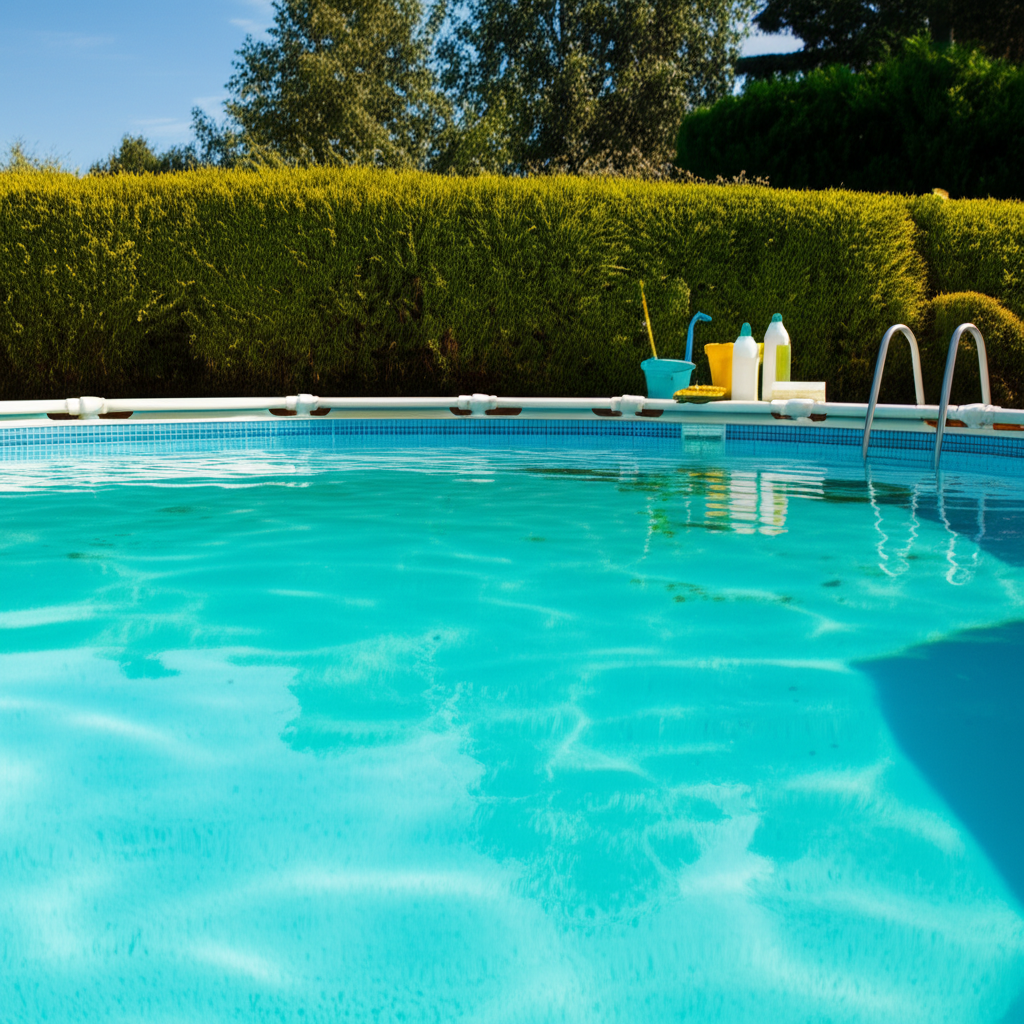
The traditional methods of pool maintenance often rely heavily on chemicals, consume significant amounts of energy, and lead to considerable water waste. A sustainable pool strategy directly addresses these concerns, offering a multitude of benefits:
Environmental Protection: Reduces chemical runoff into local ecosystems, conserves precious water resources, and lowers energy consumption, thereby decreasing greenhouse gas emissions.
Healthier Swimming Environment: Minimizes exposure to harsh chemicals like chlorine and its byproducts, which can irritate skin, eyes, and respiratory systems. Green alternatives often lead to softer, clearer water.
Cost Savings: While some initial investments might be required for energy-efficient equipment, long-term savings on electricity, water, and chemical purchases can be substantial.
Reduced Pungent Odors: A common complaint about conventional pools is the strong chemical smell. Green pools often smell cleaner and fresher.
Enhanced Pool Longevity: Gentle chemicals and balanced water chemistry can be less corrosive to pool liners, equipment, and finishes.
Foundations of Green Pool Care
At its core, eco-friendly pool maintenance focuses on three key pillars: reducing resource consumption, minimizing chemical use, and optimizing overall efficiency.
1. Water Conservation
Water is perhaps the most obvious resource consumed by pools. Evaporation, splash-out, and backwashing all contribute to water loss.
Pool Covers: A high-quality pool cover is the simplest and most effective way to reduce evaporation by up to 95%. Solar covers also help heat the water, further reducing energy needs.
Regular Maintenance: Addressing leaks promptly, ensuring efficient filtration cycles (avoiding excessive backwashing), and keeping water balanced minimizes constant refilling.
Rainwater Harvesting: Consider directing rainwater from roofs into a holding tank to use for pool top-ups, rather than relying solely on municipal water.
Native Landscaping: Planting drought-resistant native plants around your pool can reduce the need for irrigation, preventing excessive water use in the surrounding area.
2. Energy Efficiency
Pool pumps are often the biggest energy consumers in a home after HVAC systems.
Variable-Speed Pumps: These pumps can be programmed to run at lower speeds for longer durations, significantly reducing energy consumption compared to single-speed pumps. A variable-speed pump can pay for itself in energy savings within just a few years.
Solar Heating: Solar heaters are an excellent way to harness the sun’s power to warm your pool water, drastically reducing or eliminating the need for traditional gas or electric heaters.
Efficient Lighting: Switch to LED pool lights, which consume far less energy and have a much longer lifespan than traditional incandescent bulbs.
Optimal Filtration: Clean filters regularly to ensure the pump doesn’t have to work harder than necessary.
3. Chemical Reduction & Alternatives
Moving away from harsh chemicals is a cornerstone of Green Pool Care.
Saltwater Chlorinators: While these systems still produce chlorine, they do so on-site from salt, eliminating the need to store and handle liquid or tablet chlorine. The resulting chlorine is often gentler and creates fewer harsh byproducts.
Natural Enzymes: Enzyme-based products can break down organic contaminants like oils, lotions, and pollen, reducing the workload on your sanitizer and decreasing the need for shocking.
UV and Ozone Generators: These advanced systems use ultraviolet light or ozone gas to sanitize water, significantly reducing the amount of traditional chlorine needed. They are highly effective at killing bacteria, viruses, and algae.
Borates: Adding borates to pool water can help buffer pH, reduce algae growth, and make the water feel softer, often allowing you to reduce your chlorine dosage.
Practical Steps for a Sustainable Pool
Implementing Green Pool Care doesn’t require an overnight overhaul. You can adopt these practices gradually:
Regular Manual Cleaning: Skimming debris, brushing walls, and vacuuming your pool manually reduces the strain on your filtration system and helps prevent algae growth. Robotic pool cleaners, especially energy-efficient models, are also a fantastic green option.
Mindful Water Chemistry: Test your pool water regularly (at least 2-3 times a week). Maintaining proper pH, alkalinity, and calcium hardness levels reduces the need for constant chemical adjustments and ensures your sanitizer works efficiently. Use natural pH decreasers like muriatic acid (used responsibly) or natural pH increasers like soda ash.
Non-Toxic Algaecides: Explore algaecides that use natural enzymes or copper-based compounds (used sparingly and with caution to avoid staining) instead of harsh synthetic chemicals.
Efficient Backwashing: Only backwash your filter when necessary (when pressure gauge indicates) and for the recommended duration. Over-backwashing wastes significant amounts of water. Consider sand filter alternatives like crushed glass media, a more effective and environmentally friendly filtering option.
Landscape Thoughtfully: Choose plants around your pool that won’t shed excessive leaves or debris into the water. Ensure proper drainage to prevent chemical runoff from the pool area into your garden.
Beyond the Basics: Advanced Green Pool Care
For those committed to the ultimate eco-friendly pool, consider more advanced solutions:
Natural Swimming Ponds (NSPs): These beautiful, chemical-free pools use a regeneration zone with aquatic plants and beneficial microorganisms to naturally filter and purify the water, creating a completely natural swimming experience.
Rainwater Harvesting & Filtration Systems: Integrating a robust system to collect and filter rainwater specifically for pool use can drastically reduce dependency on municipal water.
* Smart Pool Technology: Automation systems can optimize pump run times, chemical dosing, and heating schedules, ensuring maximum efficiency with minimal manual intervention.
Conclusion
Transitioning to Green Pool Care is a journey, not a destination. By implementing sustainable practices, from energy-efficient equipment to natural sanitization methods and diligent water conservation, you can significantly reduce your environmental impact, enhance your health, and save money in the long run. Embrace these eco-friendly strategies to create a beautiful, healthy, and truly sustainable pool that you and your family can enjoy for years to come, knowing you’re doing your part for the planet.