- Understanding Why Your Pool Turns Green
- The Essential Toolkit for Effective Algae Treatment
- Step-by-Step Green Pool Algae Treatment
- 1. Test and Balance Your Water Chemistry
- 2. Brush All Pool Surfaces Thoroughly
- 3. Shock Your Pool – The Primary Algae Killer
- 4. Run Your Filter Constantly
- 5. Consider Algaecide and Clarifier
- 6. Vacuum to Waste (If Using Flocculant or Heavily Green)
- 7. Clean or Backwash Your Filter
- 8. Retest and Maintain Water Balance
- Preventing Future Green Pool Incidents
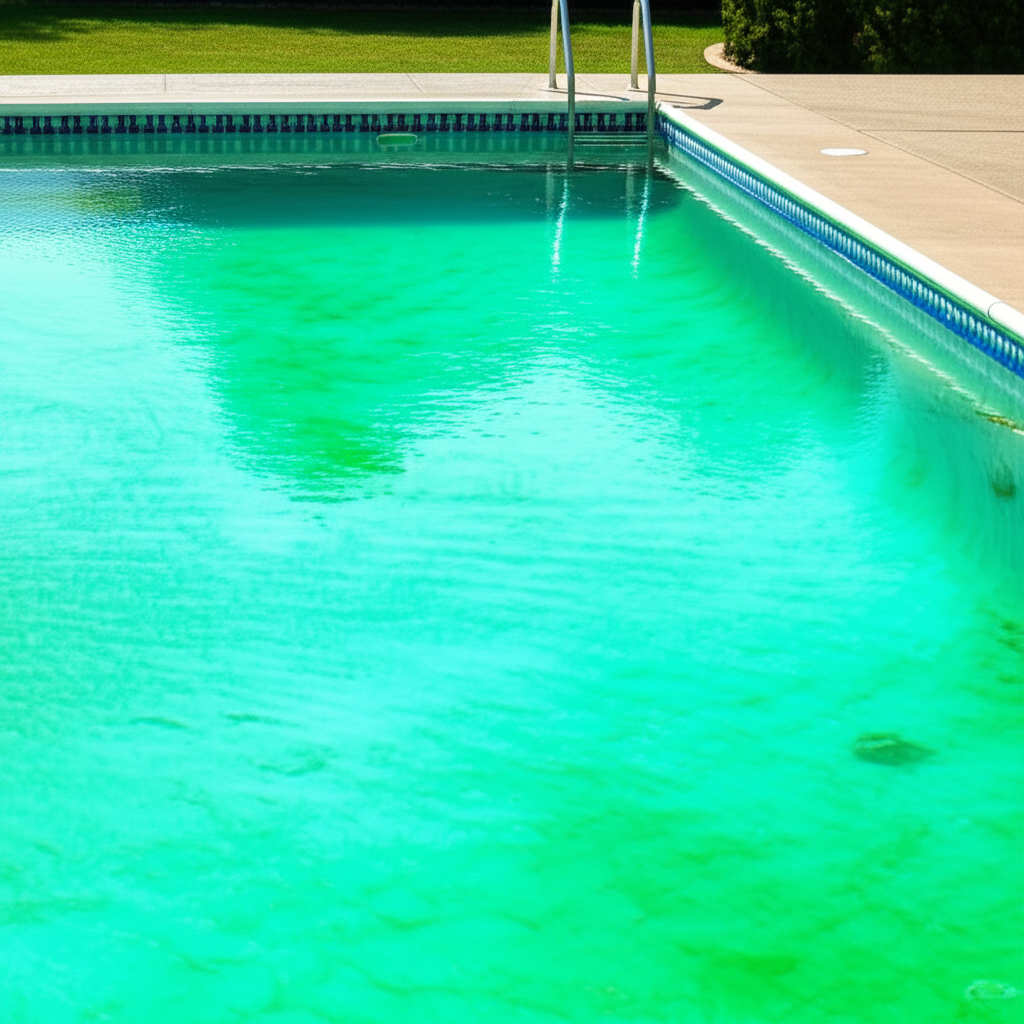
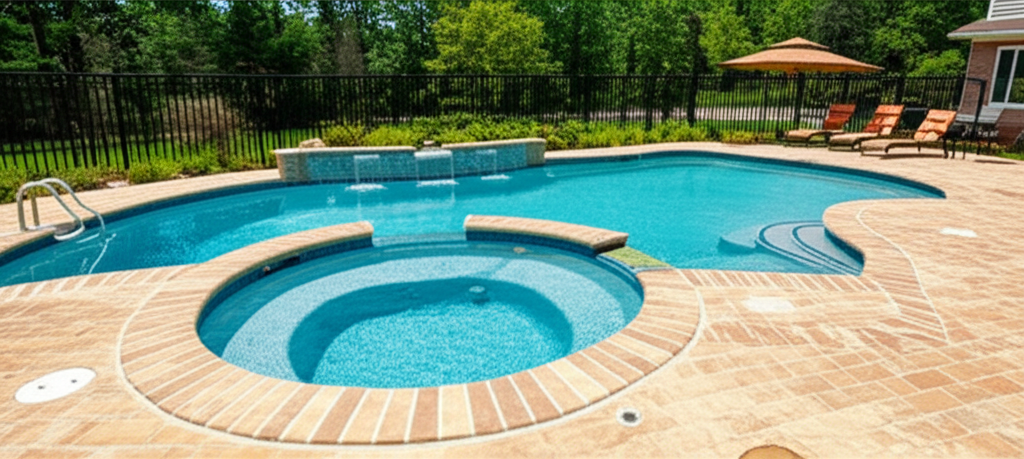
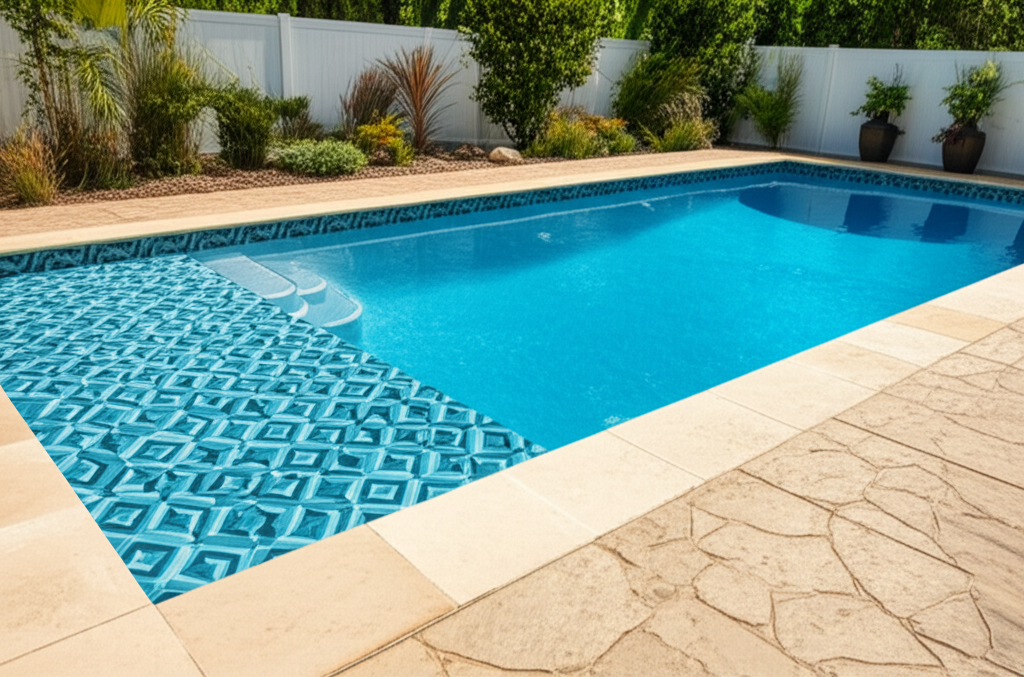
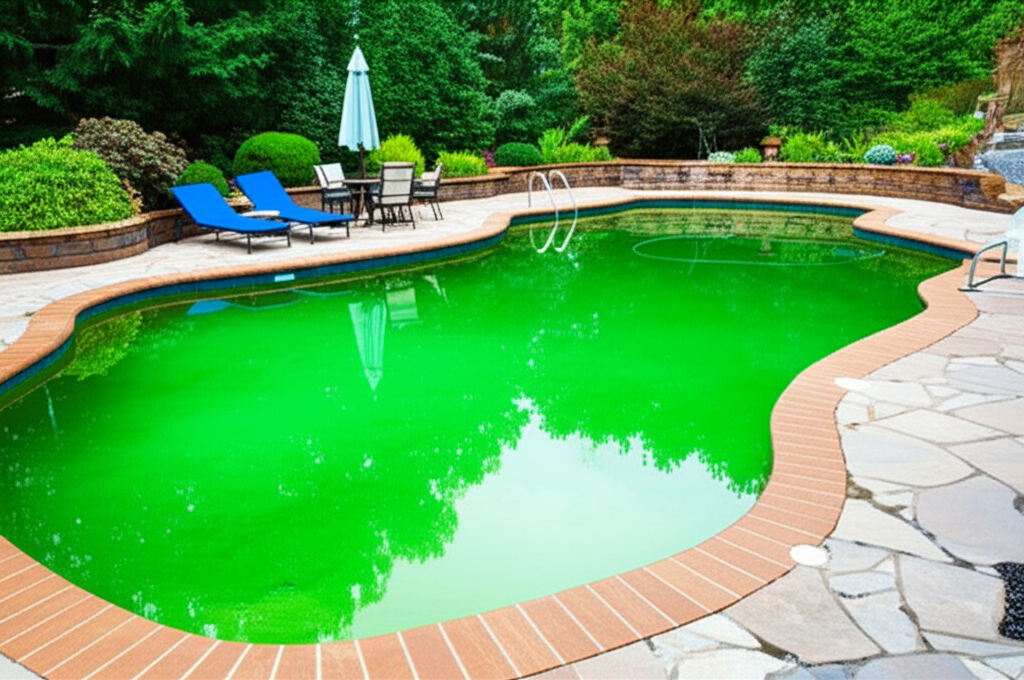
A green pool is a disheartening sight for any pool owner. What was once an inviting oasis of shimmering blue water has transformed into a murky, unappealing swamp, often signaling an unwelcome party of algae taking over. The good news is that this common problem is entirely treatable, and with the right approach, you can restore your pool’s pristine clarity without undue effort. This guide will walk you through the steps to effectively eliminate algae and prevent its return, ensuring your pool remains a joy rather than a chore.
Understanding Why Your Pool Turns Green
Before diving into the treatment, it’s helpful to understand the culprits behind a green pool. Algae thrive in conditions where chlorine levels are low or non-existent, and water circulation is poor. Common reasons include:
Insufficient Sanitizer: Lack of chlorine or other sanitizers allows algae to multiply rapidly.
Poor Filtration: A clogged or malfunctioning filter can’t effectively remove microscopic algae spores.
Imbalanced Water Chemistry: pH, alkalinity, and calcium hardness levels outside the ideal ranges can make chlorine less effective.
Environmental Factors: Heavy rainfall can dilute chemicals, while warm temperatures and sunlight accelerate algae growth.
Organic Debris: Leaves, dirt, and other organic matter introduce nutrients that algae feast on.
The Essential Toolkit for Effective Algae Treatment
To effectively tackle a green pool, you’ll need a few key items. Gathering these beforehand will streamline the process:
Pool Testing Kit: Essential for measuring pH, alkalinity, and chlorine levels. Strip tests or a liquid test kit are suitable.
Telescopic Pole with Brushes: A sturdy brush is crucial for scrubbing algae off surfaces.
Pool Shock (Calcium Hypochlorite or Dichlor): This high-potency chlorine product is your primary weapon against algae.
Algaecide (Optional but Recommended): Provides an extra boost, especially for stubborn green or mustard algae.
Pool Clarifier or Flocculant (Optional): Helps consolidate microscopic particles, making them easier for the filter to catch or to vacuum out.
Pool Vacuum: Manual vacuum designed for “vacuuming to waste” is often best for heavily green pools.
Filter Cleaning Solution: To clean your filter thoroughly after treatment.
Safety Gear: Gloves and eye protection when handling chemicals.
Step-by-Step Green Pool Algae Treatment
Restoring your pool’s sparkle follows a systematic approach. Patience and adherence to these steps will yield the best results.
1. Test and Balance Your Water Chemistry
Start by testing your pool water. For effective shocking, your pH should be between 7.4 and 7.6. Adjust it using a pH increaser or decreaser as needed. Ideal alkalinity is between 80-120 ppm. Proper water balance ensures that the shock treatment will be as effective as possible.
2. Brush All Pool Surfaces Thoroughly
Using your telescopic pole and brush, vigorously scrub the walls, floor, steps, and any other surfaces of your pool. This dislodges algae spores, making it easier for the chemicals to reach and kill them, and for the filter to capture them. Pay special attention to corners and shaded areas where algae tends to accumulate.
3. Shock Your Pool – The Primary Algae Killer
This is the most critical step. For a green pool, you’ll need a “super shock” treatment. The amount of shock required depends on how green your pool is:
Lightly Green: 1-2 lbs of shock per 10,000 gallons.
Moderately Green: 2-3 lbs of shock per 10,000 gallons.
Heavily Green/Black Algae: 3-5 lbs of shock per 10,000 gallons.
Always read and follow the manufacturer’s instructions for your specific shock product. Most advise dissolving granular shock in a bucket of water before slowly pouring it around the perimeter of the pool, preferably at dusk or night to prevent UV rays from dissipating the chlorine.
4. Run Your Filter Constantly
After shocking, run your pool filter for at least 24-48 hours continuously. This ensures that the water is circulated, the chemicals are mixed thoroughly within the water column, and the dead algae particles are trapped. Check your filter pressure gauge regularly; if it rises significantly, it means your filter is working hard and may need backwashing or cleaning.
5. Consider Algaecide and Clarifier
If your pool is exceptionally green, or if you’re dealing with stubborn strains like mustard or black algae, adding an algaecide after shocking can provide an extra layer of treatment. Once the pool starts to clear, if there are still fine particles making the water cloudy, a pool clarifier or flocculant can help. Clarifiers clump small particles into larger ones for the filter to catch, while flocculants cause particles to sink to the bottom for vacuuming.
6. Vacuum to Waste (If Using Flocculant or Heavily Green)
If you used a flocculant, or if there’s a significant amount of dead algae sediment on the bottom, use your manual vacuum to “vacuum to waste.” This sends the dirty water directly out of the pool, bypassing your filter and preventing it from becoming overloaded. You will lose water in this process, so be prepared to refill your pool afterward.
7. Clean or Backwash Your Filter
The most common mistake after an algae bloom is forgetting to clean the filter. Your filter has worked overtime trapping dead algae. Backwash your sand or DE filter, or remove and clean your cartridge filter thoroughly with a filter cleaning solution. A dirty filter will hinder future filtration and can become a breeding ground for new algae.
8. Retest and Maintain Water Balance
Once your pool water is clear, retest the chemistry and adjust as needed. Resume your regular chlorination schedule, ensuring healthy sanitizer levels are always maintained. A clear pool is a healthy pool, and consistent maintenance is key to preventing future green outbreaks.
Preventing Future Green Pool Incidents
The best defense against a green pool is a good offense through consistent maintenance:
Maintain Proper Chemical Levels: Test your water weekly (or more often during heavy use or hot weather) and adjust chlorine, pH, and alkalinity as needed.
Run Your Filter Daily: Aim for at least 8-12 hours of filtration per day to keep water circulating and clean.
Clean Your Filter Regularly: Backwash or clean cartridges according to manufacturer recommendations.
Brush Your Pool Weekly: Even a clean pool benefits from weekly brushing to prevent algae from adhering to surfaces.
Shock Routinely: Once every 1-2 weeks, depending on usage, give your pool a maintenance shock to kill any nascent algae spores.
Remove Debris: Skim leaves and debris frequently to reduce organic load.
Transforming a green pool back into a sparkling blue haven might seem daunting at first, but by following these systematic steps, you can achieve a crystal-clear result. Consistent vigilance and regular maintenance are your best allies in keeping your pool algae-free and ready for enjoyment throughout the season.