- The Visible Scourge: Understanding Pool Scale Formation
- Critical Dangers to Your Pool from Hard Water Effects
- Mitigating and Preventing Hard Water Effects
Hard Water Effects pose a significant and often underestimated threat to the health, longevity, and aesthetics of swimming pools. While largely invisible in its initial stages, the cumulative impact of high mineral content in your pool water can lead to a cascade of problems, ranging from unsightly deposits to costly equipment failures. Understanding the nature of hard water and its particular dangers to aquatic environments is crucial for any pool owner aiming to maintain a pristine and functional swim space.
Hard water is characterized by an elevated concentration of dissolved minerals, primarily calcium and magnesium. When these minerals exceed optimal levels in pool water, typically above 200-400 parts per million (ppm) for calcium hardness, they begin to precipitate out of solution, leading to a host of detrimental effects. This mineral accumulation is often exacerbated by factors like evaporation, which leaves minerals behind, and high pH levels, which reduce the solubility of calcium.
The Visible Scourge: Understanding Pool Scale Formation
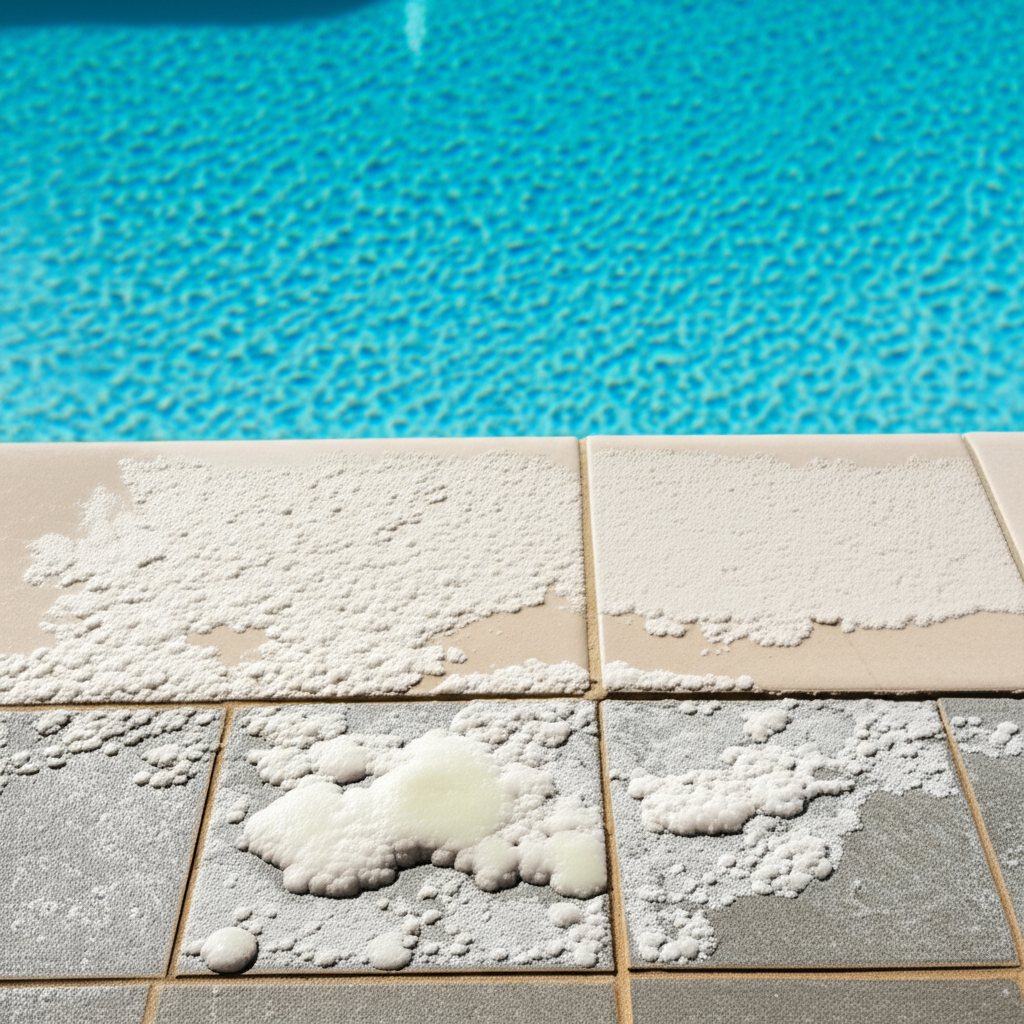
One of the most immediate and glaring hard water effects is the formation of pool scale. Scale appears as white, off-white, or grayish crusty deposits that can adhere to almost any surface submerged in or near the pool water. It’s particularly common to find it along the waterline tiles, on pool steps, and inside plumbing. This happens because as water evaporates, the concentration of calcium bicarbonate increases. When the pool water’s pH rises, this bicarbonate is converted to calcium carbonate, which is less soluble and precipitates out, forming scale. High total alkalinity and elevated water temperatures, especially in heated pools, further accelerate this process.
Initially, pool scale might seem like a mere cosmetic issue – an unsightly film that detracts from your pool’s inviting appearance. However, its implications extend far beyond aesthetics, ushering in a series of critical dangers that can compromise your pool’s structural integrity and operational efficiency.
Critical Dangers to Your Pool from Hard Water Effects
1. Severe Equipment Damage:
Perhaps the most financially impactful consequence of hard water is the damage it inflicts upon your pool’s vital equipment. Heaters are particularly vulnerable; scale buildup acts as an insulator on heating elements and heat exchangers, drastically reducing their efficiency and forcing them to work harder, leading to increased energy consumption and premature failure. Pumps and filters also suffer. Calcium deposits can clog impellers, reducing water flow and putting strain on the motor. In sand and cartridge filters, scale can harden filter media, making it less effective at trapping debris and requiring more frequent, intensive cleaning or full replacement. This calcification translates to expensive repairs or outright equipment replacement far sooner than intended.
2. Surface Degradation and Discoloration:
The delicate surfaces of your pool are not immune to the harshness of scale. On plaster and pebble-tec pools, scale can manifest as rough, abrasive patches that are uncomfortable for swimmers and can even lead to skin irritation. Over time, these mineral deposits can etch into the surface, causing permanent damage and making future cleaning more difficult. Tile grout can become discolored and brittle, necessitating regrouting. For vinyl liner pools, scale can embed itself into the liner, making it stiff, prone to tearing, and causing unsightly staining that won’t simply wipe away. The overall lifespan of your pool’s finish is drastically shortened, leading to costly resurfacing projects.
3. Impaired Water Chemistry and Clarity:
Managing a pool’s water chemistry is a perpetual balancing act, and hard water makes it significantly more challenging. High calcium hardness directly impacts total alkalinity and pH levels, often making it difficult to maintain them within ideal ranges. When calcium levels are excessively high, they can cause water to appear perpetually cloudy, even with proper filtration and sanitation. This not only diminishes the visual appeal of your pool but can also provide a breeding ground for algae and bacteria, as sanitizers become less effective in compromised water. The constant battle against chemical imbalances adds stress, time, and expense to pool maintenance.
4. Reduced Circulation and Filtration Efficiency:
Scale doesn’t just stick to visible surfaces; it silently builds up within your pool’s plumbing system. Narrowed pipes and fittings due to internal scale deposits restrict water flow, reducing the efficiency of your pump and filtration system. This means less water is being properly filtered and circulated, leading to stagnant areas, poorer chemical distribution, and an increased workload on your equipment. The diminished circulation also impacts the effectiveness of sanitizers, leaving your pool more susceptible to contamination.
5. Bather Discomfort:
While less critical than equipment damage, bather discomfort is a tangible consequence. Rough pool surfaces, cloudy water, and even stiff swimwear (due to mineral residue) can detract significantly from the enjoyment of your pool. Swimmers may also experience itchy skin or eyes after prolonged exposure to water with high mineral content.
Mitigating and Preventing Hard Water Effects
The good news is that the dangers associated with hard water can be managed and prevented with proactive measures:
Regular Water Testing: The cornerstone of hard water management is consistent testing of your pool’s calcium hardness, pH, and total alkalinity levels. Aim for calcium hardness between 200-400 ppm.
Balance Water Chemistry: Maintain pH between 7.4-7.6 and total alkalinity between 80-120 ppm. Proper balancing helps keep minerals in solution.
Utilize Sequestering Agents: These specialized chemicals, also known as chelating agents, bind with calcium and magnesium ions, preventing them from precipitating out and forming scale. They should be added regularly, especially in areas with very hard water or during peak evaporation periods.
Regular Filter Cleaning: Keep your filters clean to ensure maximum efficiency. Backwashing sand filters and cleaning cartridge filters according to manufacturer recommendations will help remove any mineral deposits before they cause significant issues.
Descaling Products: For existing scale, there are specific descaling products designed to dissolve mineral buildup on surfaces and equipment. Always follow product instructions carefully.
Partial Draining and Refilling: If calcium hardness levels become exceptionally high (e.g., above 500 ppm), the most effective solution is often to partially drain and refill your pool with fresh water, effectively diluting the mineral concentration.
* Water Softeners: While less common for entire pools due to cost and logistical challenges, some pool owners in extremely hard water areas may consider specialized pool water softeners or using a whole-house water softener for fill water.
Hard water is an invisible adversary, but its effects are anything but. By understanding the critical dangers it poses to your pool’s equipment, surfaces, and overall water quality, and by implementing a consistent regimen of testing, balancing, and preventative treatments, you can protect your investment and ensure your swimming pool remains a source of joy and relaxation for years to come. Ignoring these hard water effects will inevitably lead to frustration, premature wear, and costly repairs, turning your backyard oasis into a maintenance nightmare.