- Above Ground Pools: The Accessible and Flexible Option
- Inground Pools: The Permanent Backyard Oasis
- Key Factors to Consider When Choosing Between Inground or Above Ground Pool Types
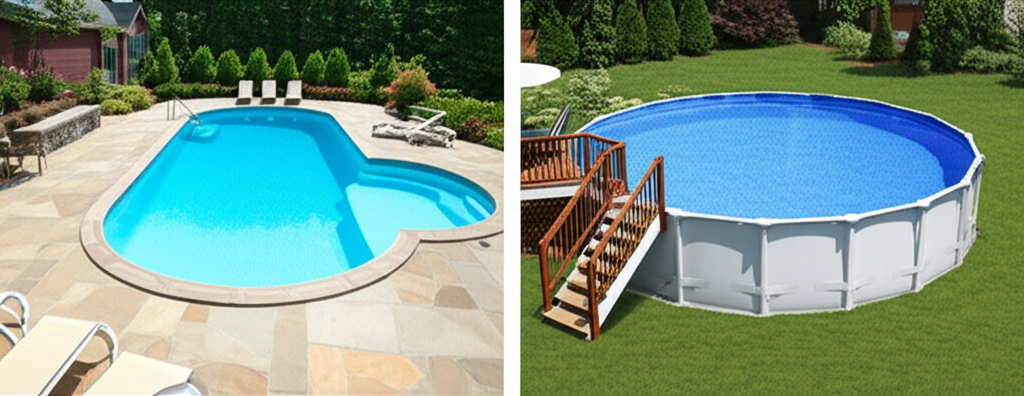
Inground or Above Ground: the quintessential question for aspiring pool owners. Deciding on the best pool solution for your home is a significant investment and a decision that impacts your lifestyle, property value, and leisure time for years to come. Both inground and above ground pools offer distinct advantages and disadvantages, catering to different budgets, space considerations, and aesthetic preferences. Understanding these differences is crucial for making an informed choice that truly aligns with your family’s needs and long-term vision.
Above Ground Pools: The Accessible and Flexible Option
Above ground pools represent a popular entry point into pool ownership, primarily due to their affordability and relative ease of installation. They are a fantastic choice for those seeking a quicker, less permanent aquatic solution.
Advantages of Above Ground Pools:
Cost-Effectiveness: The initial purchase price and installation costs are significantly lower than inground pools, making pool ownership more accessible to a broader range of budgets.
Faster Installation: Many above ground pools can be set up in a matter of days, or even hours for smaller models, allowing you to enjoy your new pool almost immediately.
Portability & Flexibility: While not always easy, some above ground pools can be disassembled and moved, which is ideal for renters or those who might relocate in the future. They are also easier to remove if your needs change.
Less Permanent Commitment: For those unsure about having a pool long-term, above ground options provide a lower-risk way to test the waters of pool ownership without the extensive commitment of an inground installation.
Safety Perception: The elevated sides can be perceived as an added safety barrier, making it harder for very young children or pets to accidentally fall in, though proper supervision and fencing are always paramount.
Tax Implications: In many areas, above ground pools are classified as personal property rather than a permanent fixture, meaning they typically don’t increase your property taxes.
Disadvantages of Above Ground Pools:
Aesthetics: While designs have improved, above ground pools often don’t offer the same integrated, high-end look as an inground pool, potentially affecting overall backyard aesthetics.
Durability and Lifespan: Generally, above ground pools have a shorter lifespan compared to their inground counterparts, typically ranging from 7 to 15 years, depending on materials and maintenance.
Customization Limitations: Options for depth, shape, and integrated features like spas or waterfalls are much more limited than with inground pools.
Resale Value: Above ground pools typically do not add significant value to a home, and in some cases, a poorly maintained one might even detract from it.
Entry/Exit: Access is usually limited to ladders, which can be less convenient for some users.
Inground Pools: The Permanent Backyard Oasis
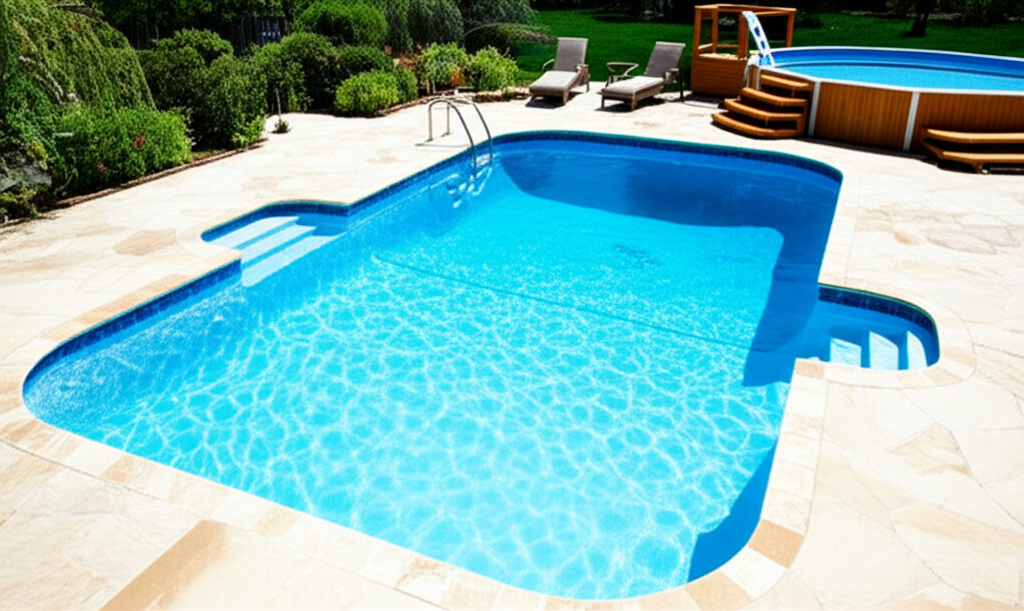
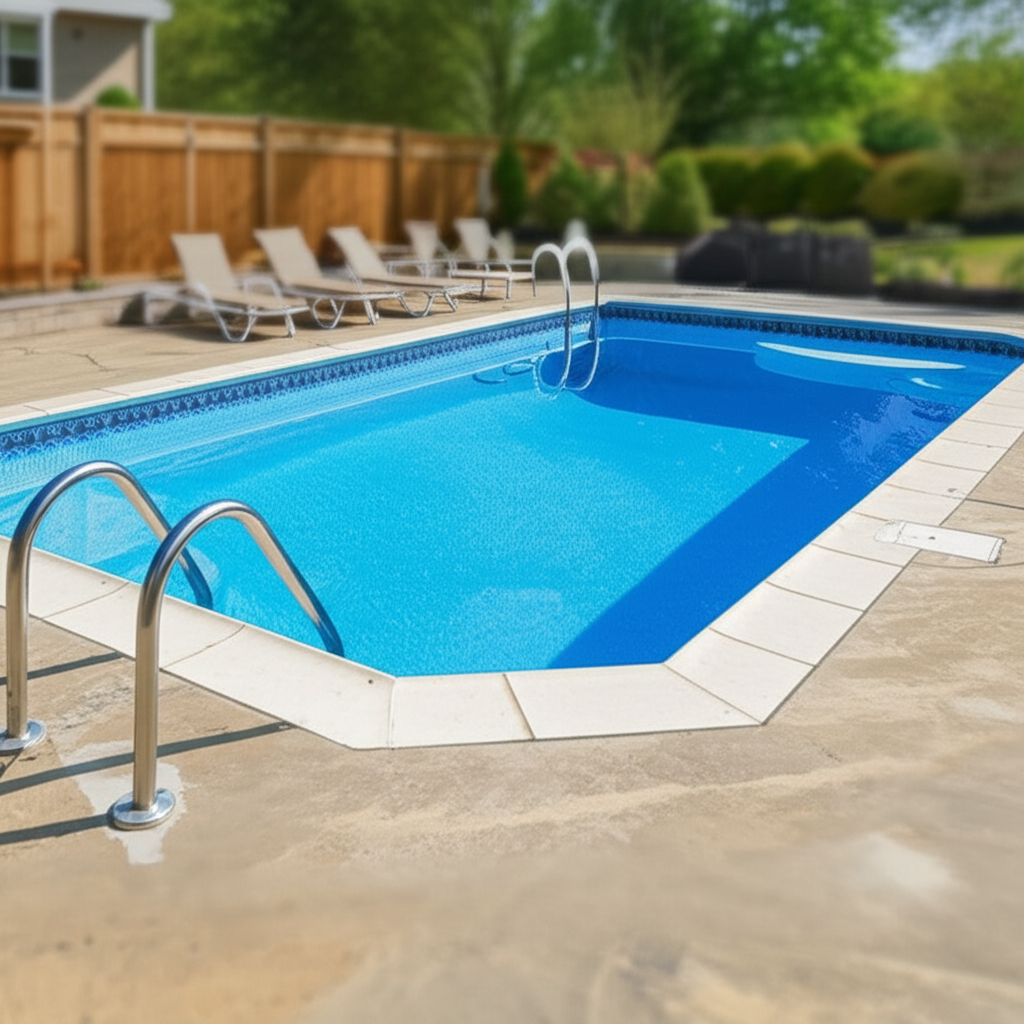
Inground pools are the epitome of luxury and bespoke design, offering a permanent and fully integrated aquatic feature for your home. They represent a significant investment but can transform a backyard into a resort-like retreat.
Advantages of Inground Pools:
Superior Aesthetics: Inground pools seamlessly blend with the landscape, offering endless possibilities for design, materials, and features that enhance the beauty and value of your property.
Durability and Longevity: Constructed from robust materials like concrete (gunite/shotcrete), fiberglass, or vinyl liner, inground pools are built to last for decades with proper care.
Increased Home Value: A well-designed and maintained inground pool can significantly increase the resale value and appeal of your home, making it a desirable asset.
Customization: From freeform to geometric, zero-entry to deep ends for diving, the design possibilities for inground pools are virtually limitless. You can integrate spas, waterfalls, lighting, and tanning ledges.
Convenient Access: Steps, ledges, and gradual slopes make entry and exit easy and comfortable for all ages and mobility levels.
Enhanced Recreational Use: The depth and structure of inground pools make them ideal for diving, swimming laps, and incorporating features like slides or basketball hoops.
Disadvantages of Inground Pools:
Higher Initial Cost: The excavation, materials, and complex installation process make inground pools significantly more expensive than above ground models.
Longer Installation Time: From permits to groundbreaking to finishing touches, inground pools can take weeks or even months to install, depending on complexity and weather.
Higher Maintenance Costs: While daily maintenance might be similar, the larger size, more complex filtration systems, and potential for more costly repairs can lead to higher long-term maintenance expenses.
Permanence: An inground pool is a permanent fixture; it cannot be moved or easily removed, so careful planning is essential.
Property Tax Implications: Because they are considered a permanent addition, inground pools typically increase your property’s assessed value, leading to higher property taxes.
* Extensive Planning: Requires dealing with zoning regulations, permits, and potentially utility lines, adding layers of complexity to the project.
Key Factors to Consider When Choosing Between Inground or Above Ground Pool Types
When weighing your options, several critical factors should guide your decision:
1. Budget: Assess not only the initial purchase and installation costs but also long-term maintenance, chemical costs, utility bills, and potential repairs.
2. Space and Aesthetics: How much space do you have available? Do you want the pool to be a seamless, integrated part of your landscape design, or is a freestanding unit acceptable?
3. Intended Use: Will the pool primarily be for children’s play, serious swimming, entertaining, or relaxation? Your primary usage will dictate ideal depth, size, and features.
4. Local Regulations: Research local zoning laws, permit requirements, and fencing ordinances, as these can impact both types of installations.
5. Climate: Consider how long your swimming season is. In colder climates, a pool might only be usable for a few months, making a less permanent solution more appealing to some.
6. Property Value Goals: If increasing your home’s equity is a priority, an inground pool typically offers a better return on investment.
7. Time Commitment: Factor in the time you’re willing to invest in maintenance, cleaning, and opening/closing the pool each season.
Ultimately, there is no single “best” pool solution that fits everyone. The choice between an inground or above ground pool hinges entirely on your individual circumstances, priorities, and lifestyle. By carefully considering your budget, aesthetic preferences, desired usage, and commitment level, you can confidently select the pool type that will bring you and your family years of enjoyment and create the perfect backyard retreat. Consulting with local pool professionals can also provide invaluable insights tailored to your specific property and needs.