- Deconstructing Your Inground Pool Cost: The Major Factors
- Material Matters: A Closer Look at Pool Types and Their Price Points
- Beyond the Build: Uncovering Hidden Costs
- Future-Proofing Your Pool Budget: Long-Term Expenses
- Smart Strategies to Trim Your Inground Pool Cost
Inground pool cost is often the first, and sometimes most daunting, consideration for homeowners dreaming of a backyard oasis. While the idea of a sparkling blue retreat can seem like a luxury reserved for the super-rich, understanding the various factors that contribute to the price tag reveals that achieving this dream can be more affordable than you might initially think. With careful planning and smart choices, anyone can navigate the complexities of pool installation and find a solution that fits their lifestyle and their wallet.
Deconstructing Your Inground Pool Cost: The Major Factors
The overall cost of an inground pool is not a single fixed figure but rather a sum of several variables. These typically fall into a few key categories:
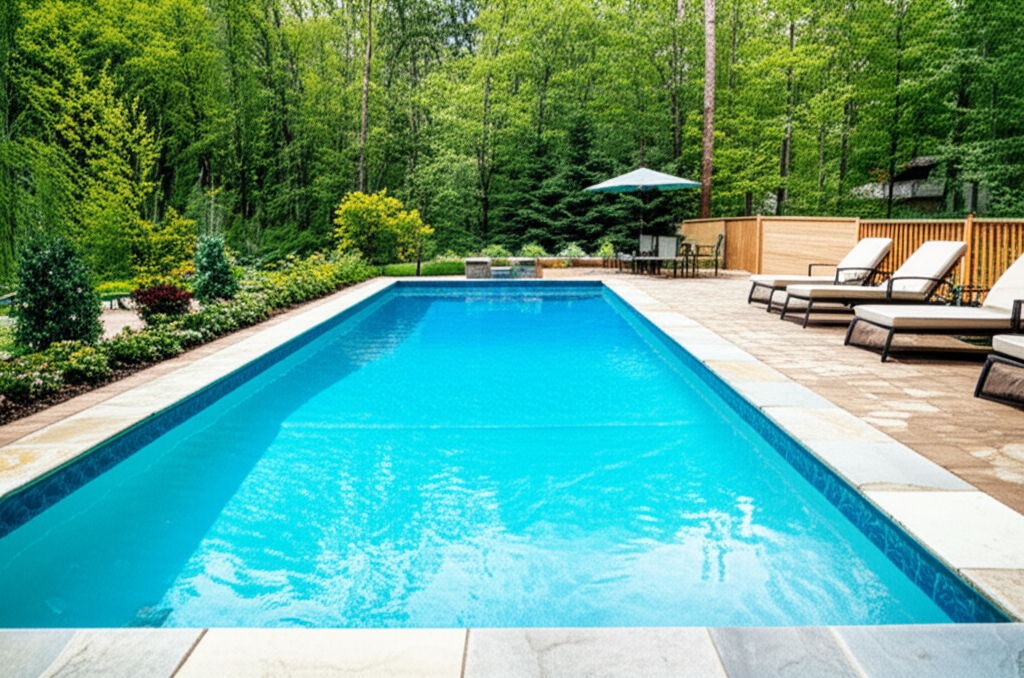
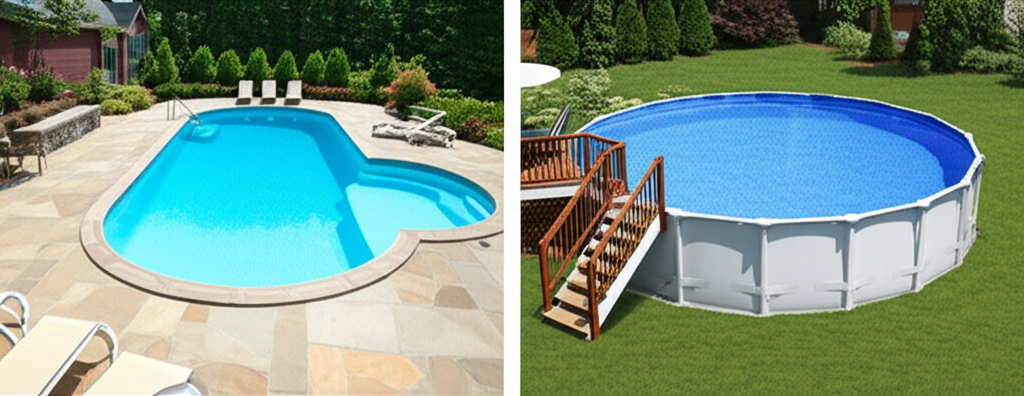
Pool Type and Material: This is arguably the biggest determinant of cost. The three primary types are fiberglass, vinyl liner, and concrete (gunite or shotcrete). Each comes with its own price point, installation complexity, and long-term maintenance implications.
Size and Depth: Naturally, a larger and deeper pool requires more materials and labor, driving up the cost.
Location and Accessibility: Difficult-to-access yards, sloped terrain, or areas with specific soil conditions (e.g., rock) can increase excavation and labor costs. Local regulations and permit fees also vary significantly by region.
Customization and Features: Spa additions, waterfalls, elaborate lighting, special decking materials, heating systems, and automated cleaning systems all add to the initial investment.
Labor and Installation: This covers everything from excavation and plumbing to electrical hookups and finishing.
Material Matters: A Closer Look at Pool Types and Their Price Points
Understanding the pros and cons of each pool material is crucial for making an informed decision that aligns with your pool budget.
Fiberglass Pools: These come as a pre-formed shell, which is then delivered and set into an excavated hole.
Pros: Fastest installation time (often days), smooth non-porous surface reduces chemical use and makes it resistant to algae, low long-term maintenance.
Cons: Higher upfront cost than vinyl, limited shapes and sizes due to transportation constraints, difficult to customize.
Cost Range: Generally falls in the mid to high range of inground pools.
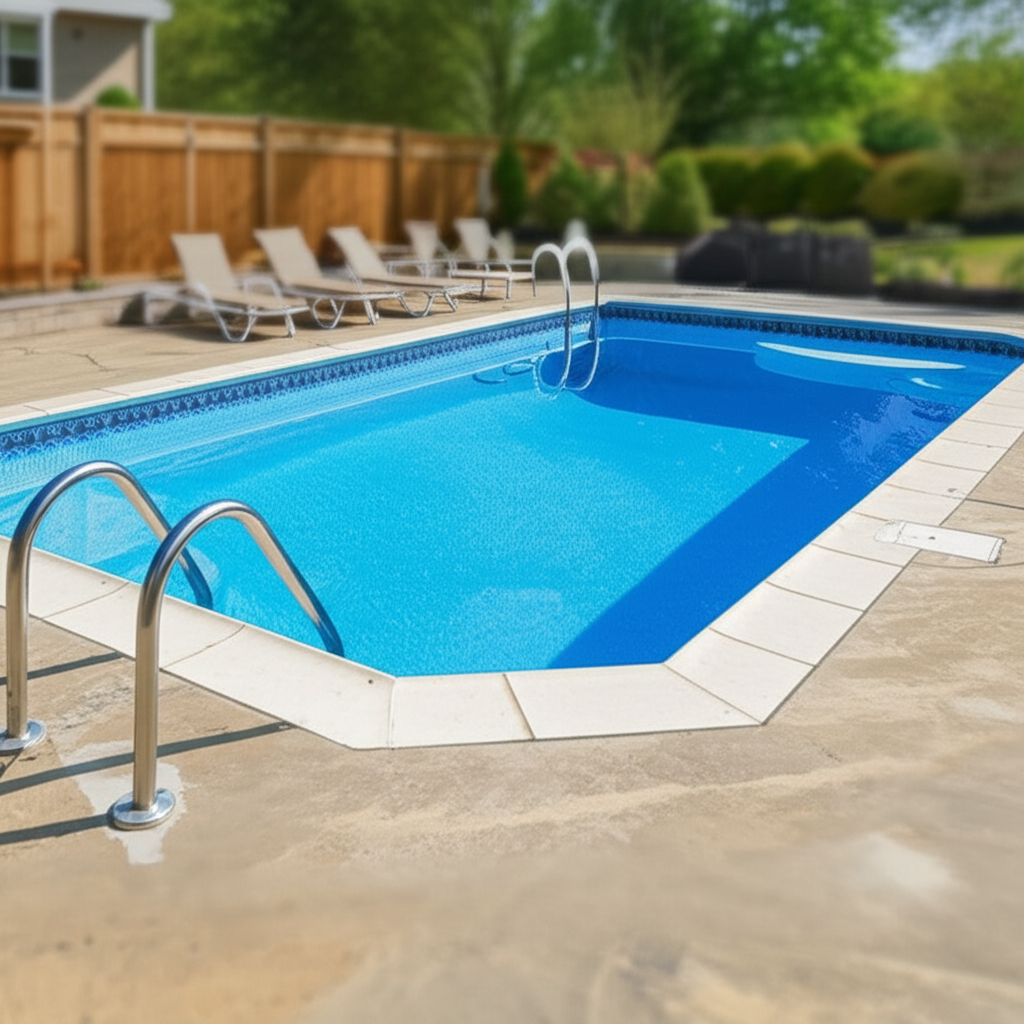
Vinyl Liner Pools: Constructed by excavating a hole, assembling a steel or polymer wall structure, and then fitting a custom-made vinyl liner.
Pros: Most affordable initial inground pool cost, highly customizable in terms of shape, size, and depth, a wide variety of liner patterns available.
Cons: Liner typically needs replacement every 5-10 years (an additional cost), susceptible to punctures from sharp objects, slightly higher chemical usage than fiberglass.
Cost Range: Often the most budget-friendly option for initial installation.
Concrete (Gunite/Shotcrete) Pools: These are built on-site by spraying a concrete mixture over a rebar framework, creating a durable and highly customizable shell.
Pros: Ultimate design flexibility (any shape, size, or depth), extremely durable and long-lasting, can be finished with various materials like plaster, tile, or aggregate.
Cons: Highest upfront cost, longest installation time, porous surface requires more chemicals and brushing to prevent algae, typically requires replastering every 10-15 years.
Cost Range: The most expensive option but offers unparalleled customization and longevity.
Beyond the Build: Uncovering Hidden Costs
The sticker price for pool construction isn’t the whole story. Several additional expenses can quickly inflate your overall inground pool cost.
Permits and Inspections: Local regulations require permits for pool construction, and various inspections will occur throughout the build process. These fees can vary significantly.
Site Preparation: This includes excavation, grading, clearing, and potentially addressing drainage issues or rocky soil which can add thousands to the bill.
Decking and Landscaping: Few pools exist in isolation. You’ll likely want a deck (concrete, paver, wood) around your pool, and associated landscaping to integrate it into your yard. This can be a substantial expense.
Fencing and Safety Features: Most localities have strict fencing requirements for pools. Safety covers, alarms, and other features, while adding to cost, are crucial for peace of mind and compliance.
Electrical Work: Wiring for the pump, filter, lighting, and any heating systems is a necessary and often specialized expense.
Water Fill-Up: Depending on the size of your pool and your water source, filling it for the first time can incur a significant cost.
Future-Proofing Your Pool Budget: Long-Term Expenses
An inground pool is a significant investment that continues to incur costs even after installation. Factoring these into your pool budget is vital for sustainable ownership.
Maintenance: This includes chemicals (chlorine, pH balancers, shock treatments), cleaning equipment (nets, vacuums), and potentially professional pool service.
Utilities: The pool pump runs daily, consuming electricity. Heaters (gas, electric, solar) also add to utility bills. Water usage for topping off due to evaporation or backwashing filters is another factor.
Repairs and Replacements: Pumps, filters, heaters, and automatic cleaners have finite lifespans and will eventually need repair or replacement. Vinyl liners will need replacing, and concrete pools require periodic replastering.
Insurance: Your homeowner’s insurance policy will likely increase to cover the liability associated with a pool.
Winterization/Opening: If you live in a climate with freezing temperatures, opening and closing your pool professionally (or buying the necessary supplies to do it yourself) is an annual expense.
Smart Strategies to Trim Your Inground Pool Cost
Achieving your inground pool dream without breaking the bank is possible with strategic planning.
1. Prioritize Needs vs. Wants: A basic, functional pool will always be more affordable than one laden with every imaginable feature. Decide what’s essential for your enjoyment and what can be added later or skipped.
2. Choose the Right Material: As discussed, vinyl liner pools offer the lowest initial inground pool cost. If your budget is tight, this could be your best entry point.
3. Get Multiple Quotes: Contact at least three reputable pool builders. This allows you to compare pricing, understand different approaches, and negotiate.
4. Consider Off-Season Installation: Builders may offer discounts during their slower periods (e.g., fall or winter in some regions) to keep their crews busy.
5. DIY Where Possible (Carefully): While pool installation itself is best left to professionals, you might save money on landscaping, fencing, or even some aspects of long-term maintenance by doing it yourself.
6. Energy-Efficient Equipment: Invest in variable-speed pumps, LED lighting, and solar-powered heaters. While these might have a higher upfront cost, they lead to substantial savings on utility bills over the pool’s lifetime.
7. Phased Construction: If your budget is stretched, consider installing the basic pool now and adding features like an elaborate deck, waterfalls, or advanced lighting in subsequent years.
An inground pool certainly represents a significant investment, but it doesn’t have to be an unattainable luxury. By understanding the components of inground pool cost, carefully planning your pool budget, and embracing smart, money-saving strategies, you can transform your backyard into the relaxing, refreshing oasis you’ve always envisioned.