- Understanding Liner Floating: The Threat from Unchecked Ground Water
- The Culprit: Unchecked Ground Water Accumulation
- Preventing Liner Floating Through Smart Ground Water Management
- 1. Comprehensive Site Assessment and Preparation
- 2. Advanced Ground Water Management Systems
- 3. Appropriate Liner Selection and Installation
- 4. Ongoing Monitoring and Maintenance
- Addressing Existing Liner Floating Issues
- The Long-Term Benefits of Prevention
Liner Floating is a critical issue that can compromise the integrity of containment systems across various industries, from landfills and wastewater treatment ponds to secondary containment for fuel tanks and industrial process water. At its core, liner floating occurs when hydrostatic pressure from accumulated ground water underneath a geomembrane liner exceeds the downward pressure exerted by the contents above the liner. When this happens, the liner lifts, causing wrinkles, stress, and potential tears, leading to costly damage, operational disruptions, and environmental hazards. Understanding the dynamics of this phenomenon and implementing effective preventative measures is crucial to avoiding the significant financial and ecological repercussions associated with unchecked ground water intrusion.
Understanding Liner Floating: The Threat from Unchecked Ground Water
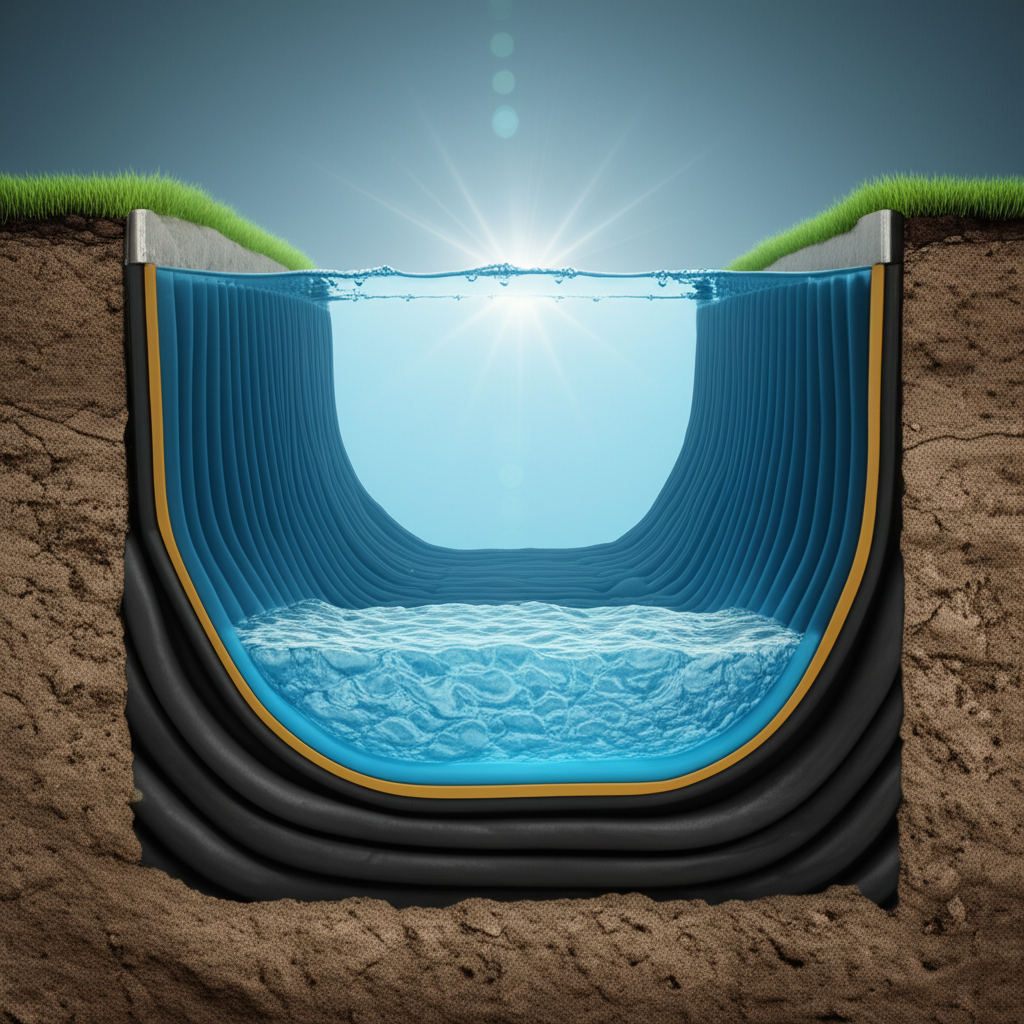
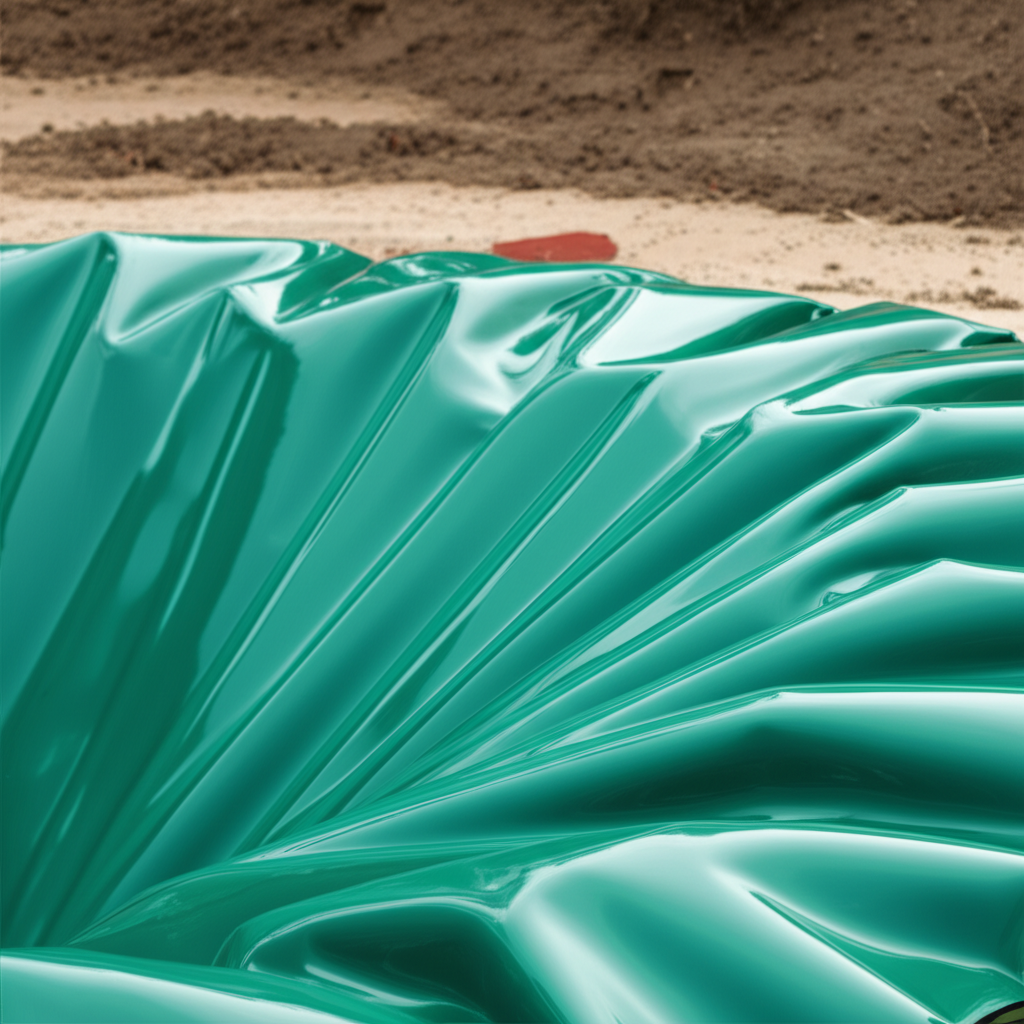
Liner floating manifests as visible ripples, bulges, or even complete detachment of the liner from its subgrade. This phenomenon isn’t merely a cosmetic concern; it’s a structural failure in the making. The primary driver is an imbalance of pressure. When ground water infiltrates the area beneath a liner – perhaps due to heavy rainfall, a rising water table, or even faulty drainage – it creates an upward buoyant force. If this upward force becomes stronger than the combined weight of the liner, its contents, and any overlying cover material, the liner begins to lift. This creates voids where water can accumulate further, exacerbating the problem and forming pathways for potential leaks once integrity is compromised.
The consequences of liner floating are severe. A compromised liner can lead to direct contamination of surrounding soil and groundwater, resulting in expensive remediation efforts, regulatory fines, and potential legal action. For facilities storing hazardous materials, a leak could have catastrophic environmental and public health impacts. Beyond environmental damage, the structural integrity of the facility itself can be jeopardized. Foundations can be undermined, equipment can be damaged, and operational downtimes become inevitable during repair. The costs associated with dewatering, repairing or replacing a liner, and cleaning up a spill can quickly escalate into hundreds of thousands, if not millions, of dollars.
The Culprit: Unchecked Ground Water Accumulation
The root cause of liner floating is almost always the presence of ground water that is not adequately managed. This water can originate from several sources:
High Water Table: If a site is located in an area with a naturally high water table, particularly during wet seasons, ground water can readily rise beneath the liner.
Poor Drainage: Inadequate surface drainage allows rainwater to pool around the containment area, eventually seeping into the subgrade.
Infiltration: Cracks in surrounding concrete, insufficient sealants, or even minor imperfections in the subgrade can allow water to penetrate beneath the liner.
Proximity to Water Bodies: Sites near rivers, lakes, or oceans are more susceptible to fluctuations in groundwater levels.
Plumbing Leaks: Hidden leaks from nearby pipes or infrastructure can contribute to groundwater accumulation.
Once ground water collects beneath the liner, it creates hydrostatic pressure. This pressure acts uniformly in all directions, pushing the liner upwards. The more water that accumulates, the greater the pressure, inevitably leading to liner uplift unless effective countermeasures are in place.
Preventing Liner Floating Through Smart Ground Water Management
The good news is that liner floating is largely preventable with proper planning, design, and ongoing maintenance. Integrating robust ground water management strategies from the outset is the most cost-effective approach.
1. Comprehensive Site Assessment and Preparation
Before any liner installation, a thorough geotechnical investigation is essential. This includes understanding the local hydrogeology, soil conditions, and historical high-water table levels.
Proper Grading: The site should be graded to promote surface water runoff away from the containment area.
Compacted Subgrade: A well-compacted, stable subgrade provides a solid foundation for the liner and helps minimize water infiltration paths.
Vapor/Moisture Barriers: In some cases, a supplementary barrier can be installed beneath the primary liner system to manage moisture.
2. Advanced Ground Water Management Systems
These systems are designed to actively collect and remove water from beneath the liner, preventing hydrostatic pressure buildup.
Underdrain Systems: A common and highly effective solution. This involves installing a network of perforated pipes enveloped in gravel and geotextile fabric beneath the liner. This system collects any infiltrating ground water and channels it to a sump or collection point, often equipped with a pump, for discharge.
Sump Pits and Monitoring Wells: Strategically placed sump pits allow for easy collection and pumping of accumulated water. Monitoring wells enable regular checks of groundwater levels beneath the liner, providing early warning signals.
Geotextile Filters: These fabrics help prevent fine soil particles from migrating into the drainage layer, which could clog the underdrain system over time.
French Drains: Installed around the perimeter of the containment area, French drains can intercept and divert ground water before it reaches the critical zone beneath the liner.
3. Appropriate Liner Selection and Installation
While ground water management is key, the liner itself plays a role.
Material Selection: Choosing a geomembrane material with high tensile strength, puncture resistance, and chemical compatibility enhances its overall resilience.
Anchoring Systems: Securely anchoring the liner, often using anchor trenches filled with compacted soil or a mechanically fastened batten bar system, helps resist uplift forces.
Quality Installation: Proper seam welding, adequate overlap, and careful handling during installation are critical to prevent points of weakness where water could ingress.
4. Ongoing Monitoring and Maintenance
Even with the best initial design, continuous vigilance is necessary.
Regular Inspections: Periodically inspect the liner surface for any signs of lifting, stress, or damage.
Drainage System Checks: Ensure underdrain systems, sumps, and pumps are functioning correctly. Clear any blockages.
Ground Water Level Monitoring: Consistent monitoring of groundwater levels around and beneath the liner can alert operators to potential issues before they escalate.
Addressing Existing Liner Floating Issues
If liner floating has already occurred, prompt action is essential. This typically involves:
1. Dewatering: Safely removing the accumulated water from beneath the liner, often through existing underdrain systems or by carefully piercing the liner (if contents permit and a repair plan is in place) to drain the water.
2. Identifying the Source: Determining how the ground water re-entered the subgrade is crucial to prevent recurrence.
3. Repairing Damage: Once dewatered, any tears, punctures, or stressed areas in the liner must be professionally repaired according to industry standards.
4. Reinforcing Prevention: Improve or install a more robust ground water management system to prevent future floating.
The Long-Term Benefits of Prevention
Investing in comprehensive ground water management to prevent liner floating yields significant long-term benefits. Beyond avoiding the immediate repair costs, it ensures operational continuity, minimizes environmental liabilities, enhances public trust, and prolongs the lifespan of valuable infrastructure. Proactive measures offer peace of mind, knowing that your containment systems are robustly protected against the silent threat of ground water.