- Understanding the Enemy: What Causes Metal Stains?
- Identifying Your Stain: Iron Stains vs. Copper Stains
- Quick Fixes for Metal Stains: Your Immediate Action Plan
- Step-by-Step Pool Stain Removal Checklist (Summarized)
- Beyond the Quick Fix: Preventing Future Metal Stains
Metal Stains: Quick Fix for Ugly Pool Stains
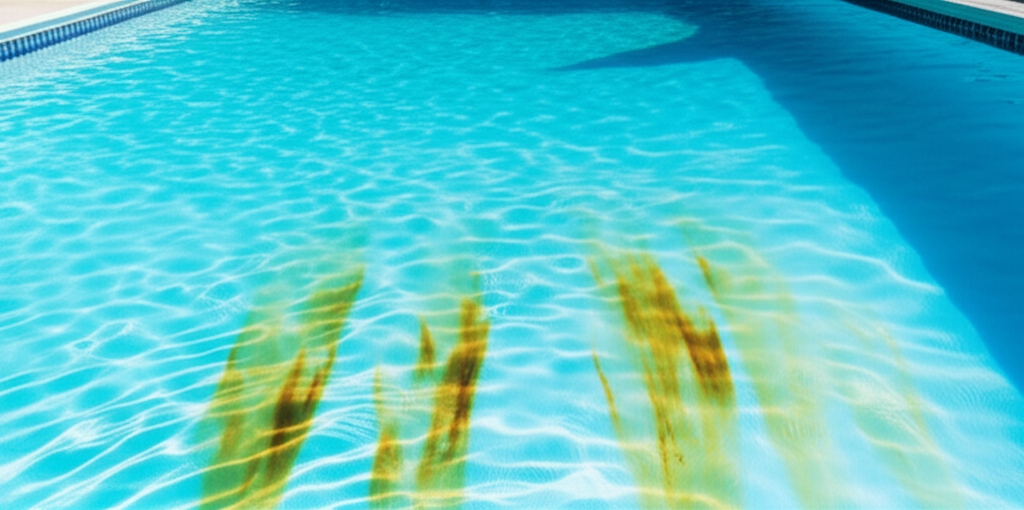
Metal stains are a common blemish that can transform a pristine swimming pool into an unsightly mess, leaving rust-colored streaks or blue-green patches marring the surface. These stubborn stains don’t just appear out of nowhere; they are typically caused by dissolved metals in your pool water oxidizing and depositing onto the pool’s surfaces. While frustrating, understanding the root cause and knowing the right quick fixes can restore your pool’s sparkle efficiently and effectively, helping you reclaim your beautiful backyard oasis.
Understanding the Enemy: What Causes Metal Stains?
Before diving into solutions, it’s crucial to understand why these stains emerge. Metals can enter your pool water from several sources:
Well Water: Many homeowners with well water supply have higher concentrations of iron, copper, and manganese.
Corroding Equipment: Older copper plumbing, heat exchangers, or even rusty pool parts can leach metals into the water.
Algaecides: Some algaecides contain copper, and overuse can lead to copper deposition.
Improper pH: Imbalanced pool water chemistry, especially low pH, can make metals more soluble and aggressive, leading to staining.
The type of metal dictates the stain’s appearance, making identification key to successful treatment.
Identifying Your Stain: Iron Stains vs. Copper Stains
Accurately identifying the type of metal stain is the first and most critical step in applying the correct quick fix. Different metals react to different treatment methods, and a wrong approach can be ineffective or even worsen the problem.
Iron Stains:
Appearance: Typically manifest as reddish-brown, dark brown, or yellowish-brown spots, streaks, or general discoloration. They often resemble rust.
Common Sources: Well water, decaying rebar, rusty ladders, or other iron-containing equipment degrading in the pool.
The Vitamin C Test: A simple way to test for iron stains (and some other types) is to place a vitamin C tablet (ascorbic acid) directly on a small, inconspicuous part of the stain for a few minutes. If the stain lightens or disappears, you likely have an iron-based stain.
Copper Stains:
Appearance: Usually appear as blue-green, teal, or even black spots or broad areas. They can sometimes be mistaken for algae, but they won’t brush off.
Common Sources: Overuse of copper-based algaecides, corrosion of copper heating elements in pool heaters, old copper plumbing, or copper ionizers.
The Vitamin C Test: While primarily effective for iron, ascorbic acid can sometimes lighten copper stains, though less dramatically. For copper, a test kit specifically for copper levels in water is more definitive.
Quick Fixes for Metal Stains: Your Immediate Action Plan
Once you’ve identified the type of stain, you can move on to effective quick fixes. Always remember that a quick fix addresses the symptom, not necessarily the cause. For long-term prevention, you’ll need to implement additional steps.
1. The Vitamin C Method (Ascorbic Acid): Your Go-To for Iron Stains
Ascorbic acid, commonly known as Vitamin C, is a powerful chelating agent that reacts with iron (and some other metals) to lift them from the pool surface.
For Spot Treatment: For small, isolated stains, crush a vitamin C tablet and rub the powder directly onto the stain. Alternatively, hold a whole tablet on the stain for a few minutes. Watch as the stain disappears. Repeat if necessary.
For Whole Pool Treatment: For widespread staining, you’ll need granular ascorbic acid.
First, lower your pool’s chlorine level to below 1 ppm (or preferably 0 ppm) before treatment, as chlorine can neutralize ascorbic acid.
Add 1 pound of granular ascorbic acid per 10,000 gallons of pool water. Sprinkle it over the affected areas.
Run your pool pump for 24-48 hours to circulate the water.
The stains should lift. After treatment, slowly bring your chlorine levels back to normal.
Pros: Highly effective for iron stains, relatively inexpensive, and safe for your pool surface.
Cons: Temporary if the metal source isn’t addressed, requires lowering chlorine, and can temporarily lower pH.
2. Commercial Stain Removers (Chelating/Sequestering Agents)
Several commercial products are designed specifically for removing metal stains. These often contain stronger chelating agents or combinations of acids that target various metals.
How They Work: These products bind to the metal ions, keeping them suspended in the water rather than allowing them to deposit on surfaces.
Application: Follow the manufacturer’s instructions carefully. Many require specific water chemistry parameters (e.g., low chlorine, specific pH) for optimal results. Some are broadcast over the pool, while others are applied directly to stains.
Pros: Can be effective for both iron and copper stains, and often come with instructions for specific stain types.
Cons: Can be more expensive, some may require draining a portion of water, and can impact other water chemistry parameters.
Step-by-Step Pool Stain Removal Checklist (Summarized)
1. Stop adding chlorine: If using ascorbic acid or certain commercial removers. This is usually temporary.
2. Test the stain: Use the Vitamin C tablet method or a commercial stain identification kit.
3. Apply treatment: Use ascorbic acid for iron or a targeted commercial remover for copper/other metals. For spot treatments, apply directly. For whole pool treatments, broadcast as directed.
4. Circulate water: Run the pump for 24-48 hours.
5. Remove debris/stain byproducts: Vacuum to waste if possible, or backwash/clean filter as needed.
6. Rebalance water chemistry: Gradually bring chlorine back up, adjust pH, alkalinity, and calcium hardness.
7. Add a sequestering agent (vital for prevention): This step helps to lock up metals and prevent future staining.
Beyond the Quick Fix: Preventing Future Metal Stains
While quick fixes will make ugly pool stains disappear, they don’t tackle the underlying problem. To ensure your pool remains stain-free long-term, incorporate these preventative measures:
1. Regular Water Testing for Metals: Periodically test your pool water for iron, copper, and manganese, especially if you use well water. If levels are high, address them proactively.
2. Use a Quality Sequestering Agent: After removing stains, or if you know you have metals in your water, regularly add a metal sequestering agent. These products bind to metal ions, preventing them from oxidizing and depositing on pool surfaces.
3. Identify and Eliminate Metal Sources:
Well Water: Consider installing a filtration system or using a pre-filter when filling your pool.
Rusty Equipment: Replace corroded ladders, coping, or old iron fittings.
Copper Algaecides: Use copper-based algaecides sparingly and precisely, or opt for alternative algaecides. Ensure your pool’s pH doesn’t drop too low, as this can cause copper to come out of solution.
Heater Elements: If you suspect your heater is leaching copper, have it inspected by a professional.
4. Maintain Proper Water Chemistry: Consistently balancing your pool’s pH (7.4-7.6), alkalinity, and calcium hardness is crucial. Imbalanced water can become corrosive, leading to metal dissolution from pool equipment.
Metal stains are indeed ugly, but they are not a permanent problem. By correctly identifying the type of stain and utilizing the right quick fixes like ascorbic acid or commercial removers, you can rapidly restore your pool’s aesthetic. More importantly, by implementing consistent preventative measures, you can ensure that these unwelcome blemishes remain a distant memory, allowing you to enjoy a beautiful, clear pool all season long.