
- Understanding the Risks: More Than Just Swimming Prowess
- Prioritizing Pet Safety Around Water
- Training for Safe Interactions with Dogs and Pools
- Essential Equipment & Health Considerations
- Emergency Preparedness
Pet Safety: The joy of a shimmering backyard pool during warm weather is undeniable, offering a refreshing escape and endless fun. For many dog owners, the idea of sharing this aquatic delight with their beloved canine companions is equally appealing. However, behind the playful splashes and sun-drenched afternoons lies a critical imperative: ensuring the utmost safety for your furry friends. While many dogs adore water, and some are natural swimmers, a pool can pose significant hazards if proper precautions aren’t in place. This comprehensive guide will walk you through essential measures to safeguard your dog around pools, transforming potential dangers into opportunities for secure and supervised enjoyment.
Understanding the Risks: More Than Just Swimming Prowess
It’s a common misconception that all dogs are instinctively strong swimmers. While many breeds have an affinity for water, not every dog is adept at navigating a pool, especially when tired or panicked. Even strong swimmers can struggle to find an exit or become disoriented. Beyond the obvious risk of drowning, which sadly accounts for hundreds of canine fatalities annually, there are other dangers associated with dogs and pools:
Accidental Falls: A slippery deck or an open gate can lead to an unexpected plunge.
Exhaustion: Over-exertion can lead to a dog becoming too tired to swim or exit.
Chemical Ingestion/Irritation: Pool chemicals can cause stomach upset if ingested or skin/eye irritation.
Ear Infections: Water trapped in the ear canal is a prime breeding ground for bacteria.
Hypothermia: Prolonged exposure to cold water, especially for smaller dogs, can be dangerous.
Prioritizing Pet Safety Around Water
Implementing physical barriers and preventive measures is the first and most crucial step in safeguarding your dog around a pool. These aren’t optional additions but fundamental components of responsible pet ownership.
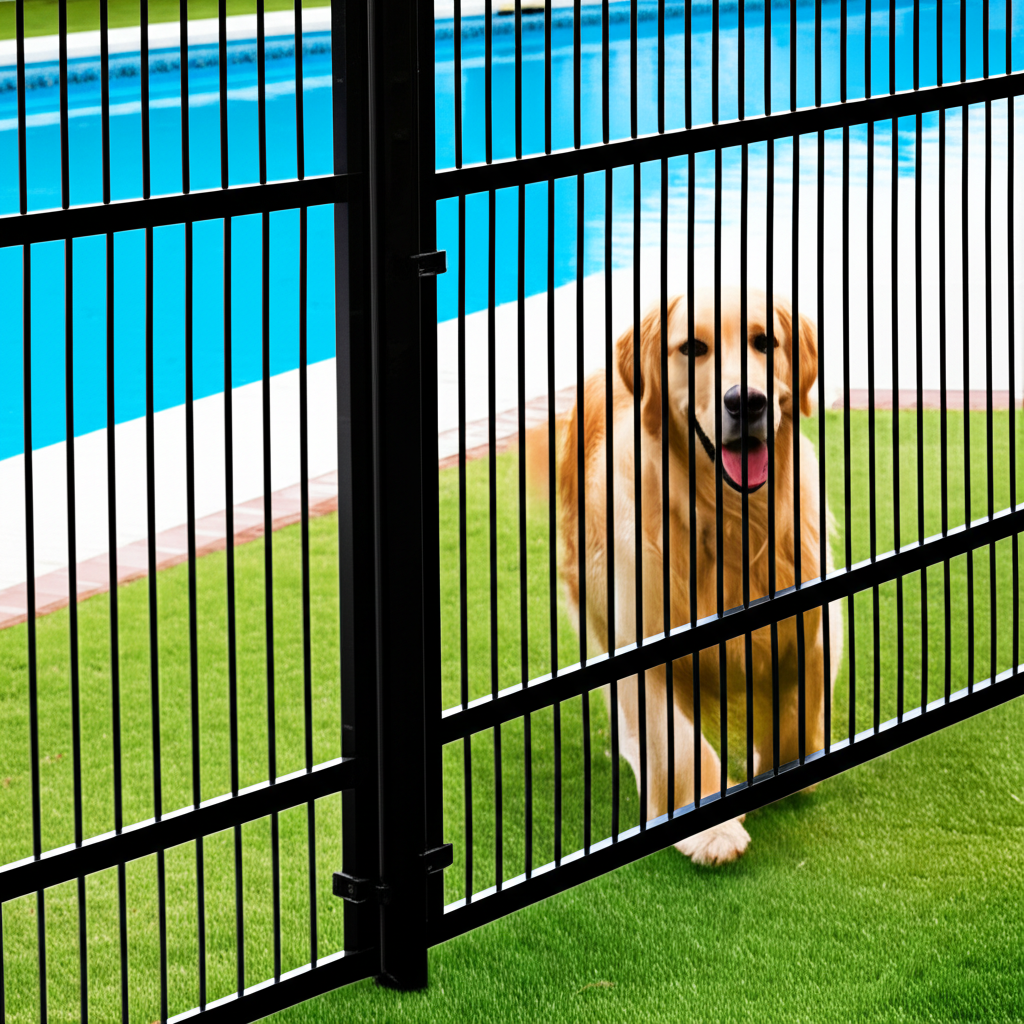
1. Secure Fencing: A robust, climb-proof fence is non-negotiable. It should completely enclose the pool area, separating it from the rest of your yard.
Height: A minimum of 4-5 feet is recommended, depending on your dog’s size and jumping ability.
Gates: All gates must be self-closing and self-latching with latches positioned out of your dog’s reach. Never prop a gate open.
Material: Ensure the fence material doesn’t have gaps large enough for your dog to squeeze through.
2. Pool Alarms: Consider installing a pool alarm system that alerts you if a person or animal falls into the water. Additionally, door or gate alarms can notify you if a pet gains unauthorized access to the pool area. These serve as excellent secondary layers of protection.
3. Safety Pool Covers: If your pool isn’t in use, a properly installed safety cover is paramount. Crucially, this is not a thin solar cover or tarp. A true safety cover is designed to support the weight of a person or animal, preventing accidental submersion. They come in mesh or solid varieties and are secured tightly across the pool’s surface.
4. Pet-Specific Exits: Ensure your dog has a clear, accessible way out of the pool.
Dog Ramps/Steps: Install a pet ramp or dog-friendly steps specifically designed for pools. These make it easy for your dog to exit the water independently, reducing panic and exhaustion. Train your dog repeatedly to use this exit, even if they’re strong swimmers.
Training for Safe Interactions with Dogs and Pools
While physical barriers prevent unauthorized access, proper training and supervision are equally vital for dogs that will be allowed in the pool.
1. Water Acclimation & Exit Training:
Introduce your dog to the water gradually and positively.
Focus intensely on teaching your dog where and how to exit the pool. Guide them to the ramp or steps repeatedly, using treats and praise. Make this a core “swim lesson.”
Even if your dog loves to jump in, they must know how to get out. Practice this every time they enter the pool.
2. Constant Supervision: Never leave a dog unsupervised around a pool, even for a moment. This includes while the safety cover is on, as covers can accumulate water or snow, creating a false sense of security. An adult should always be present and attentive when your dog is near the water.
3. Leash Practice: Initially, introduce your dog to the pool area on a leash, reinforcing boundaries and exit points.
Essential Equipment & Health Considerations
Beyond structural protections and training, certain gear and health practices are crucial for dogs and pools.
1. Life Vests: A well-fitting dog life vest is highly recommended for all dogs, regardless of their swimming ability. It provides buoyancy, reduces exertion, and often includes a handle for easy retrieval if needed. Even strong swimmers can tire or panic, and a vest offers an added layer of security.
2. Rinse and Dry: After every swim, thoroughly rinse your dog with fresh water to remove chlorine and other chemicals that can irritate their skin or coat. Pay special attention to their ears; use an ear cleaner specifically designed for dogs to help prevent ear infections.
3. Fresh Water Hydration: Always provide ample fresh drinking water near the pool. Dogs can become dehydrated even while swimming, and offering fresh water can deter them from drinking pool water, which can lead to digestive upset.
4. Rest and Breaks: Don’t let your dog overexert themselves. Provide plenty of shade and encourage regular breaks from swimming to prevent exhaustion and overheating.
Emergency Preparedness
In the unfortunate event of an incident, being prepared can make all the difference.
CPR and First Aid: Learn basic canine CPR and first aid. Resources are available from organizations like the Red Cross or your local vet.
Emergency Contacts: Keep your veterinarian’s number and the nearest 24-hour emergency animal hospital readily accessible.
* Retrieval Plan: Have a clear plan for how to safely retrieve your dog from the pool if an emergency arises, especially if they are heavy or unconscious.
By taking a proactive, multi-layered approach to pet safety, you can transform your pool from a potential hazard into a source of great enjoyment for your dog. A secure environment, consistent training, vigilant supervision, and proper after-care are the pillars of responsible pool ownership when dogs are part of the family. With these measures in place, you can both safely make a splash all season long.