- The Importance of Regular Pool Cover Care
- Essential Tools for an Effective Clean
- Step-by-Step Guide to Cleaning Your Pool Cover
- 1. Remove Large Debris
- 2. Deal with Standing Water (for Solid Covers)
- 3. Rinse the Cover Thoroughly
- 4. Apply Your Cleaning Solution
- 5. Gentle Scrubbing
- 6. Final Rinse
- 7. Allow to Dry Completely
- Specifics of Safety Cover Cleaning
- Dealing with Stubborn Stains and Algae
- Long-Term Pool Cover Maintenance Tips
Pool Cover Care: It’s often an overlooked aspect of maintaining a healthy and inviting swimming pool, yet it’s critical for both the longevity of your cover and the cleanliness of your water. A well-maintained pool cover not only keeps debris out but also plays a vital role in water conservation, heat retention, and most importantly, safety. Neglecting your pool cover can lead to unsightly stains, algae growth, unpleasant odors, and even premature wear and tear, necessitating costly replacements. This ultimate easy cleaning guide will walk you through the simple steps to keep your pool cover in pristine condition, extending its life and ensuring your pool remains a sparkling oasis.
The Importance of Regular Pool Cover Care
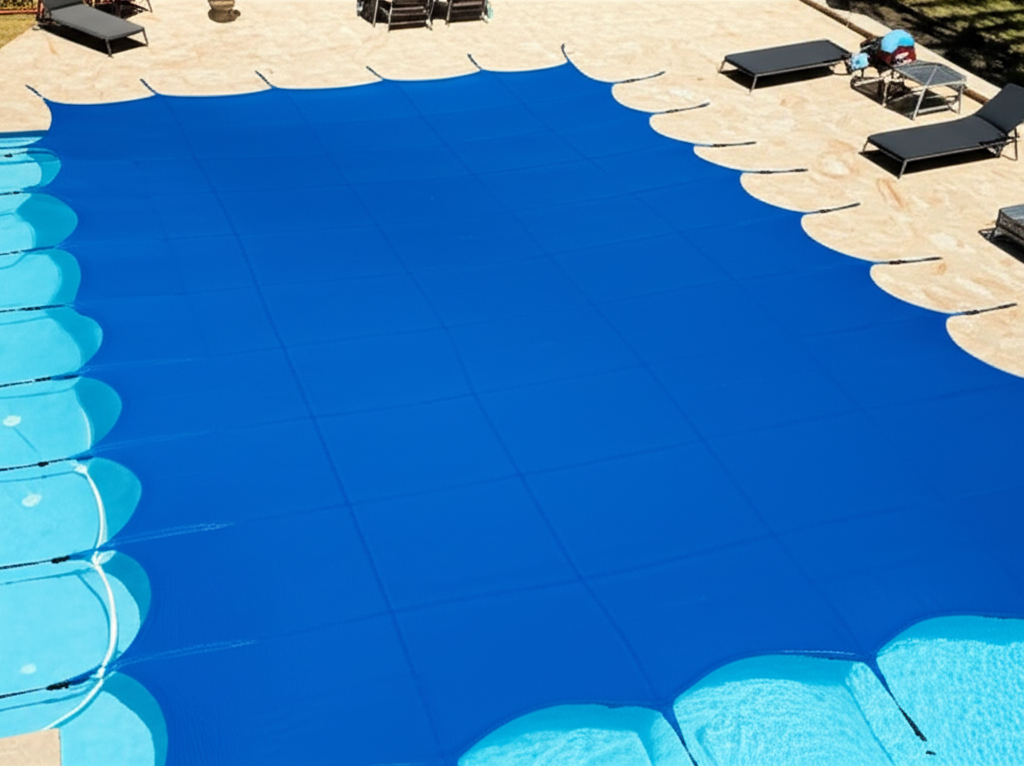
Think of your pool cover as the first line of defense for your pool. It protects against leaves, twigs, dirt, and wildlife, but in doing so, it accumulates a significant amount of grime itself. Without regular cleaning, this accumulated debris, dirt, and organic matter can decompose, breed mold and mildew, and even leach into your pool water, undoing all the good work your cover is supposed to do. Furthermore, a dirty cover isn’t just an aesthetic issue; it can degrade the material, shortening its lifespan and compromising its effectiveness, especially for safety covers designed to prevent accidents.
Essential Tools for an Effective Clean
Before you begin, gather the right tools. Having everything at hand will make the cleaning process more efficient and less strenuous.
Garden Hose with a spray nozzle: For rinsing and initial debris removal.
Soft-bristle brush or broom: Avoid harsh brushes that can damage the cover material. A telescoping pole can be very helpful for larger covers.
Mild Pool Cover Cleaner: Choose products specifically designed for pool covers, or use a diluted solution of mild dish soap or white vinegar. Avoid harsh chemicals like bleach, which can damage the material and affect your pool water chemistry.
Bucket: For mixing cleaning solutions.
Leaf Net or Skimmer: To remove large debris.
Squeegee: If you have a solid cover, a squeegee can help move standing water and cleaning solution.
Sump Pump (optional): For quickly removing standing water from solid covers before cleaning.
Rubber Gloves and Eye Protection: Always a good idea when working with cleaning solutions.
Step-by-Step Guide to Cleaning Your Pool Cover
Whether your cover is on or off the pool, the principles remain similar. For this guide, we’ll assume the cover is on the pool, as this is often the most practical scenario.
1. Remove Large Debris
Before introducing any water or cleaner, use your leaf net or a broom to sweep off all the loose leaves, twigs, and other large debris. This prevents it from washing into your pool during the cleaning process and makes subsequent steps easier. Pay close attention to corners and seams where debris tends to accumulate.
2. Deal with Standing Water (for Solid Covers)
If your solid cover has standing water, it’s crucial to remove it first. Use a sump pump for larger volumes, or a bucket for smaller amounts. Don’t let clean water push dirty, standing water into your pool. Mesh covers will naturally drain, so this step is less critical.
3. Rinse the Cover Thoroughly
Using your garden hose with a spray nozzle, give the entire cover a good rinse. This will dislodge surface dirt and loosen more stubborn grime. Work from one end to the other, making sure to cover every inch.
4. Apply Your Cleaning Solution
Mix your chosen pool cover cleaner according to the manufacturer’s instructions, or prepare your diluted solution of mild soap or vinegar. Apply the solution evenly across the wet surface of the cover. For mesh covers, you might find it easier to spray the solution directly. For solid covers, you can pour and spread it. Let the solution sit for 5-10 minutes to break down dirt and grime, but don’t let it dry.
5. Gentle Scrubbing
With your soft-bristle brush or broom, gently scrub the entire surface of the cover. Pay extra attention to areas with visible stains, mold, or algae growth. Remember, gentle pressure is key; aggressive scrubbing can damage the cover material. For stubborn spots, you might need to reapply a small amount of cleaner and let it penetrate longer.
6. Final Rinse
Once you’ve scrubbed the entire cover, give it a comprehensive final rinse with your garden hose. Ensure all traces of the cleaning solution are completely washed away. Any residue left behind can attract new dirt or even damage the cover material over time. Direct the dirty rinse water away from the pool, ideally towards a drain or landscaped area.
7. Allow to Dry Completely
This is a critical step, especially before removal and storage. If you’re cleaning a cover that will remain on the pool, try to do it on a sunny, breezy day so it can air dry completely. If you’re removing the cover for storage, it must be bone dry. Rolling up or folding a damp cover is an open invitation for mold, mildew, and unpleasant odors to develop. Lay it out on a clean, flat surface to dry thoroughly before folding or rolling for storage.
Specifics of Safety Cover Cleaning
Safety Cover Cleaning often involves dealing with slightly different materials (mesh vs. solid vinyl) and anchoring systems.
Mesh Safety Covers: These covers allow water to drain through but filter out most debris. While they prevent significant standing water, they can still accumulate fine dirt, pollen, and algae growth on their surface. Follow the steps above, ensuring the rinse water carries the grime away effectively through the mesh. Pay attention to the straps and anchors, which can also get dirty.
Solid Safety Covers: These covers are more prone to collecting standing water and heavier debris. The cleaning process for solid covers is largely the same as outlined above, with extra emphasis on removing all standing water before cleaning to prevent pushing dirty water into your pool. Ensure the pump or drain panel (if applicable) is clear and functioning.
Dealing with Stubborn Stains and Algae
For persistent stains or green algae growth, you might need a slightly stronger, yet still safe, approach.
White Vinegar: A 50/50 solution of white vinegar and water can be effective against mold and mildew. Spray it on, let it sit, and scrub.
Baking Soda Paste: For tough spots, mix baking soda with a little water to form a paste. Apply it to the stain, let it sit for 15-20 minutes, then scrub gently and rinse.
Commercial Algae Cleaner: Look for pool cover-specific algae removers. Always test these on an inconspicuous area first and follow directions carefully.
Long-Term Pool Cover Maintenance Tips
Beyond a thorough cleaning, consistent maintenance will significantly extend your cover’s life:
Regular Debris Removal: Don’t let leaves and branches sit on your cover for extended periods; remove them weekly or as needed.
Monitor Water Level: For solid covers, don’t let excessive rain or snow accumulate. Remove standing water promptly.
Check for Damage: Periodically inspect your cover for tears, holes, or fraying. Minor damage can often be patched.
Proper Storage: When not in use (e.g., summer for a winter cover, or vice-versa), ensure your pool cover is cleaned, completely dry, and stored in a cool, dry, pest-free environment, away from direct sunlight. Use a storage bag or container to protect it.
Balanced Pool Water: Keeping your pool water properly balanced minimizes stress on the underside of your cover from harsh chemicals.
Taking proper steps for pool cover care is an investment in your pool’s longevity and aesthetics. By following this easy cleaning guide and incorporating these maintenance tips, your pool cover will continue to perform its vital duties effectively, protecting your pool and ensuring years of enjoyment.