- The Imperative of Professional Pool Digging
- Comprehensive Ground Preparation: A Multi-Stage Process
- Key Considerations for Flawless Pool Ground Preparation
- Achieving Effortless Pool Excavation for Your Dream Pool
Pool excavation is the foundational step in transforming your backyard into a personal aquatic paradise. Far more than just moving dirt, it’s a precise and critical operation that lays the groundwork for the structural integrity, longevity, and aesthetics of your future swimming pool. Skipping corners or underestimating the complexities of this phase can lead to costly problems down the line, making professional expertise not just a convenience, but a necessity for achieving a truly effortless and successful pool build.
The Imperative of Professional Pool Digging
While the allure of a sprawling backyard pool might tempt some homeowners to consider DIY approaches, the reality of pool digging quickly reveals why professional intervention is non-negotiable. Excavation involves heavy machinery, detailed engineering plans, and a deep understanding of soil mechanics and local regulations. A professional team ensures precision digging, adhering to specified depths, slopes, and dimensions, which are vital for the proper installation of the pool shell, plumbing, and landscaping elements. Beyond the physical act of digging, they handle critical preliminary steps like site assessment, utility location, and obtaining necessary permits, preventing potential damage to utility lines or costly project delays.
Comprehensive Ground Preparation: A Multi-Stage Process
The journey from a blank patch of lawn to a ready-to-install pool involves several meticulously executed stages of ground preparation. Each step is crucial for guaranteeing a stable and long-lasting foundation.
1. Site Assessment and Planning: Before the first shovel hits the ground, a thorough assessment is conducted. This includes evaluating the land’s topography, soil composition (clay, sand, loam behave differently under excavation), and identifying potential drainage issues. Expert teams also coordinate with local authorities to mark utility lines (gas, water, electricity, sewer) to prevent accidental strikes during digging. Permits, usually a requirement for pool construction, are also secured during this phase.
2. Layout and Markings: Once planning is complete, the precise dimensions and shape of the pool are marked out on the ground using stakes, string, and spray paint. This visual guide ensures the excavation aligns perfectly with the architectural plans and allows homeowners to visualize the pool’s footprint.
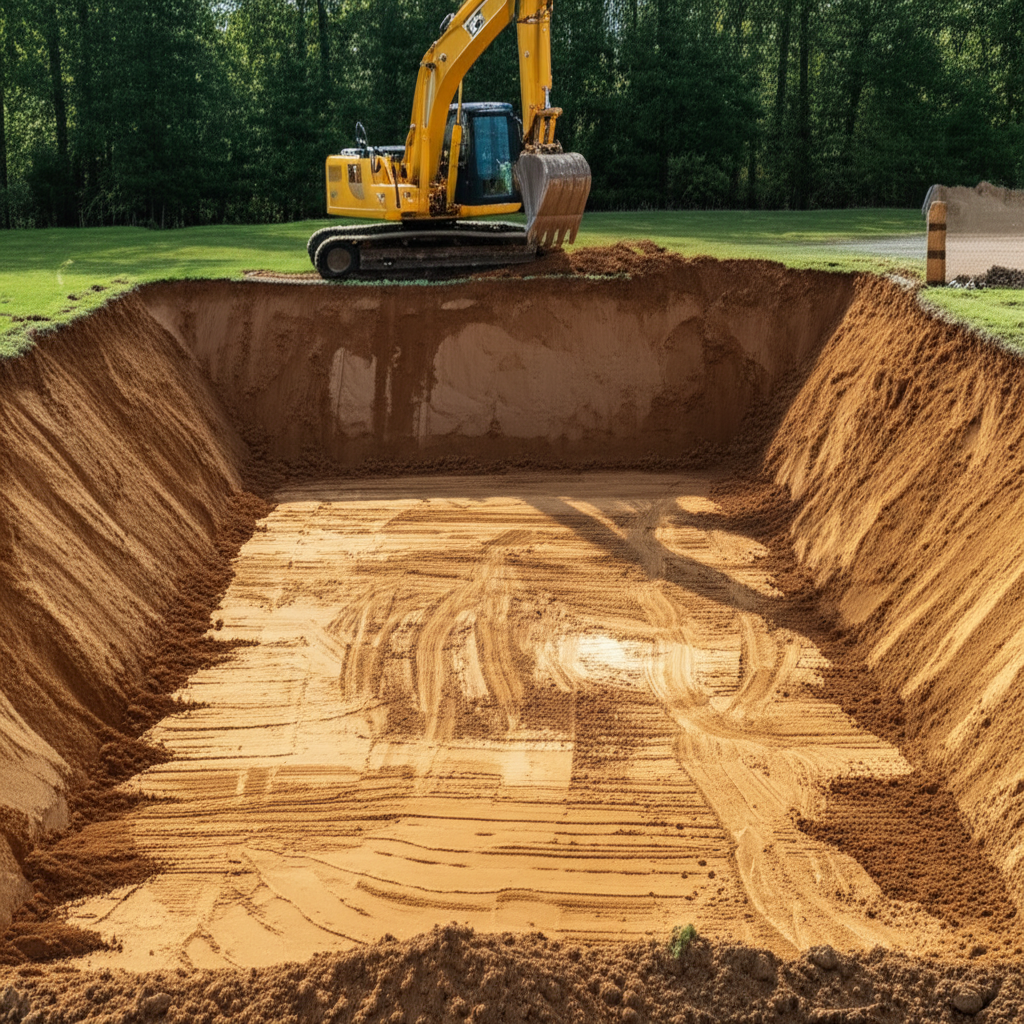
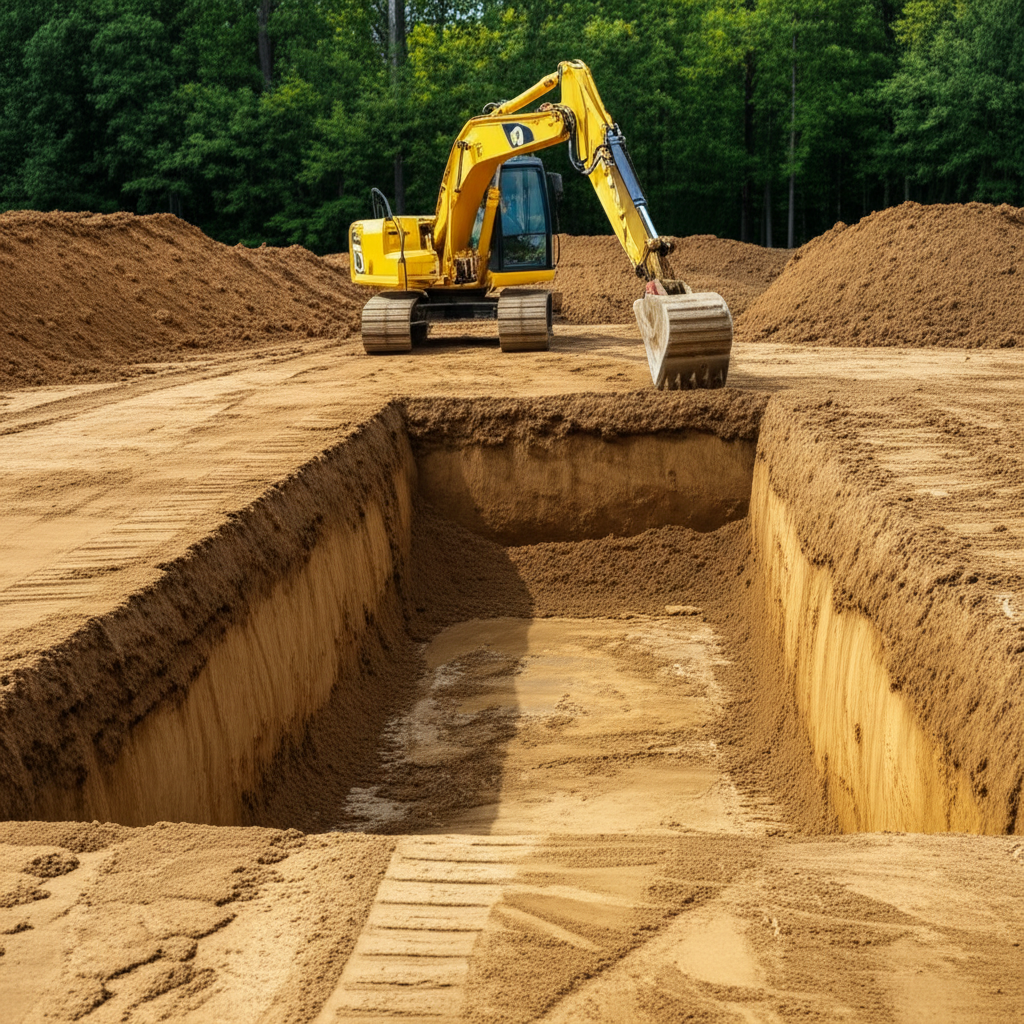
3. The Excavation Process: This is where the heavy machinery comes into play. Skillful operators use excavators and bobcats to remove soil layer by layer, carefully shaping the pool’s contours, slopes for entry points, and the necessary depths. The removed soil, often substantial, is either hauled away from the site or strategically stockpiled for potential backfilling or landscaping needs. This stage also involves creating ledges and benches according to the pool design.
4. Rough Grading and Formation: After the main digging is complete, rough grading begins. This involves shaping the floor and walls of the excavation to match the specific structural requirements of the chosen pool type (e.g., concrete, fiberglass, vinyl liner). This includes forming benches, swim-outs, and varying depths with careful consideration for plumbing and electrical conduits.
5. Fine Grading and Compaction: The final stage of excavation focuses on achieving a precise and stable base. Fine grading ensures that the pool’s floor is perfectly level or gently sloped as required. For concrete pools, careful compaction of the sub-base is critical to prevent settling and cracking. Materials like gravel or crushed stone are often added and compacted to provide a solid, well-draining foundation directly beneath the pool shell or liner.
Key Considerations for Flawless Pool Ground Preparation
Several factors can influence the complexity and cost of your ground preparation:
Soil Type: Rocky soil or expansive clay can significantly increase excavation time and require specialized equipment, impacting the overall project timeline and budget. Conversely, sandy soil might require different stability measures.
Site Accessibility: Limited access to the backyard can necessitate smaller excavation equipment or even manual labor, which can increase costs and extend the project duration.
Underground Utilities: Unidentified or numerous utility lines running through the proposed pool area can complicate the digging process, requiring careful navigation or even costly relocation.
Drainage: Proper drainage is paramount. The excavation plan must account for managing rainwater runoff around the pool area to prevent hydrostatic pressure issues or erosion over time.
* Waste Removal: Planning for the disposal of excavated soil is crucial. Hauling away excess dirt can be a significant logistical and cost factor.
Achieving Effortless Pool Excavation for Your Dream Pool
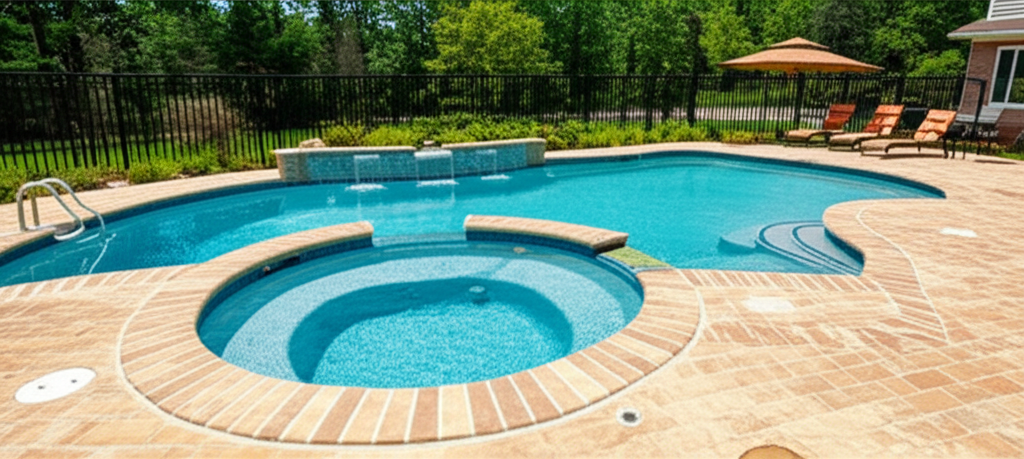
Ultimately, an “effortless” pool excavation isn’t about the absence of work, but about the seamless and expert management of a complex process. By entrusting your project to experienced professionals, you ensure that every cubic foot of soil is moved with precision, every necessary permit secured, and every aspect of ground preparation perfectly executed. This meticulous approach safeguards your investment, streamlines the construction schedule, and most importantly, provides a solid, uncompromising foundation for the beautiful, long-lasting pool you envision. A well-executed excavation is the silent hero of every stunning backyard oasis, ensuring countless years of enjoyment in your personal paradise.