- The Unsung Heroes: Why Pool Handrail Care is Essential
- Understanding the Challenges to Handrail Longevity
- The Ultimate Guide to Pool Ladders Handrail Cleaning
- Routine Maintenance for Optimal Pool Ladders Longevity
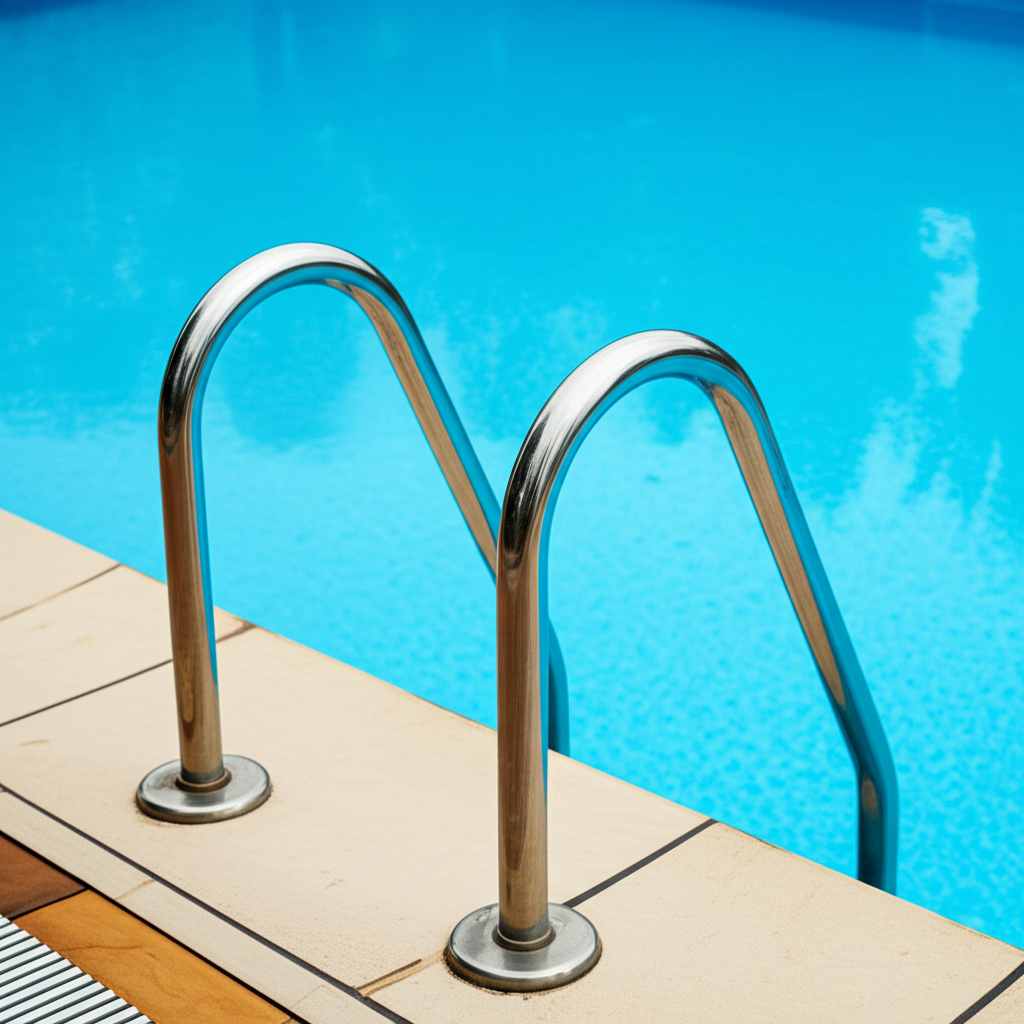
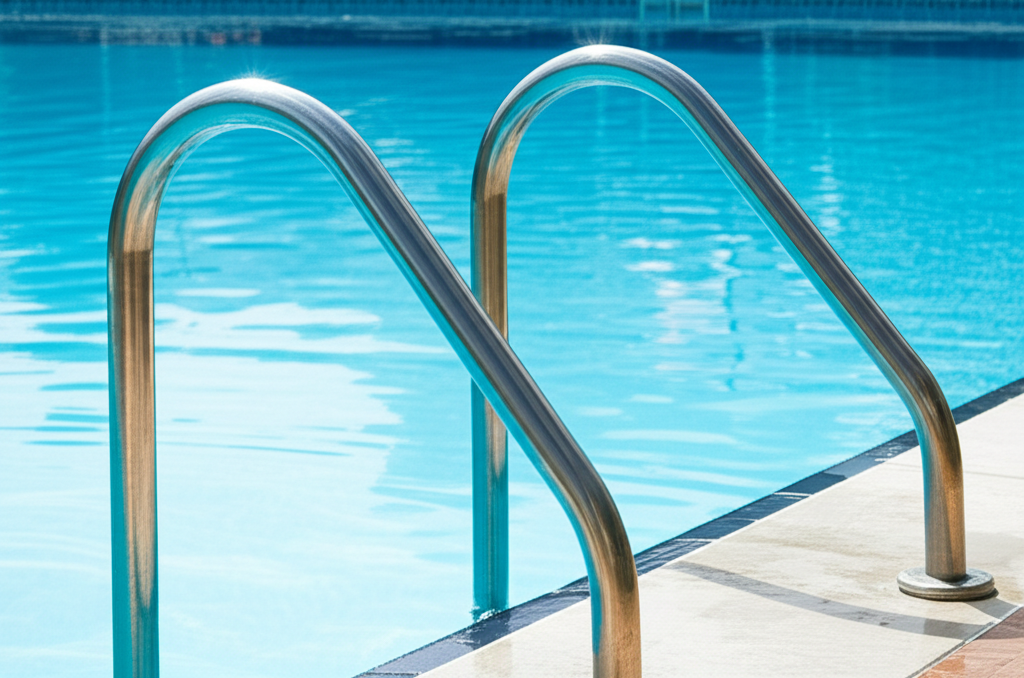
Pool Ladders are fundamental access points for any swimming pool, offering a safe and convenient entry and exit. While their primary function is often taken for granted, the care and maintenance of these essential fixtures, particularly their handrails, are crucial for both safety and preserving the aesthetic appeal of your backyard oasis. Neglecting them can lead to rust, grime buildup, and even structural compromise, turning a simple convenience into a potential hazard. This article will guide you through the process of achieving effortless, ultimate handrail care, ensuring your pool ladders remain pristine and secure for years to come.
The Unsung Heroes: Why Pool Handrail Care is Essential
Handrails on pool ladders endure a constant barrage of harsh elements. From the corrosive effects of chlorinated or salt water to relentless UV radiation, body oils, sunscreens, and environmental debris, they face a challenging environment. Regular and proper care isn’t just about making them look good; it’s about extending their lifespan, preventing costly replacements, and most importantly, ensuring the safety of everyone who uses your pool. A slippery, rusty, or loose handrail is an accident waiting to happen. By dedicating a little time to their upkeep, you safeguard your investment and, more importantly, your loved ones.
Understanding the Challenges to Handrail Longevity
Before diving into Handrail Cleaning, it’s helpful to understand what your handrails are up against.
Chemical Exposure: Chlorine and other pool chemicals, while vital for sanitization, can be highly corrosive to metals, particularly stainless steel if not properly maintained. Over time, this leads to pitting and rust.
UV Radiation: Constant exposure to the sun’s ultraviolet rays can degrade plastic components, fade powder coatings, and accelerate material fatigue in metals.
Biological Buildup: Algae, mold, and mildew thrive in moist environments, leading to unsightly and slippery green or black growth.
Grime and Body Oils: Swimmers inevitably transfer body oils, lotions, and general grime onto handrails, creating sticky residue and contributing to staining.
Environmental Debris: Dust, leaves, pollen, and other airborne particles settle on surfaces, contributing to dirt buildup.
Understanding these adversaries helps in formulating an effective cleaning and maintenance strategy.
The Ultimate Guide to Pool Ladders Handrail Cleaning
Maintaining sparkling and safe handrails on your pool ladders is a straightforward process when approached systematically. Here’s how to achieve ultimate handrail cleaning:
1. Gather Your Supplies:
Before you begin, ensure you have the right tools:
Mild dish soap or a specialized pool-safe cleaner (e.g., non-abrasive pH-neutral cleaner)
Soft-bristle brush, sponge, or microfiber cloths
Bucket of clean water
Garden hose
Optional: Non-abrasive metal polish for stainless steel, rust remover specifically designed for pool use, calcium remover.
2. Initial Rinse:
Start by thoroughly rinsing the entire ladder and handrails with a garden hose. This removes loose dirt, pollen, and any surface debris, making the subsequent cleaning steps more effective.
3. Apply Cleaning Solution:
Mix a small amount of mild dish soap with water in your bucket, or follow the instructions for your chosen pool-safe cleaner. Dip your sponge or microfiber cloth into the solution and apply it generously to all surfaces of the handrails. For stainless steel, consider using a specialized stainless steel cleaner to maintain its luster and prevent water spots.
4. Gentle Scrubbing:
Using your soft-bristle brush, sponge, or cloth, gently scrub the handrails. Pay close attention to areas where grime tends to accumulate, such as joints, bends, and the underside of the rails. Avoid abrasive scrubbers or steel wool, as these can scratch stainless steel and compromise its protective passivation layer, making it more susceptible to rust.
5. Tackling Stubborn Stains (Calcium & Rust):
Calcium Deposits: For white, crusty calcium buildup, a dedicated calcium remover (pool-safe) or a solution of white vinegar and water can be effective. Apply, let sit for a few minutes, then scrub gently.
Rust Spots: Small rust spots on stainless steel can often be removed with a specialty stainless steel cleaner or a very fine-grit non-abrasive polish. For more persistent rust, a phosphoric acid-based rust remover (ensure it’s safe for pool use and follow instructions carefully) might be necessary. Always test in an inconspicuous area first. After treating rust, it’s vital to thoroughly rinse and dry the area.
6. Final Rinse and Dry:
Once you’ve scrubbed and treated all areas, rinse the handrails thoroughly with clean water from your garden hose. Ensure all cleaning solution residue is removed. Finally, dry the handrails with a clean microfiber cloth. This step is particularly important for stainless steel to prevent water spots and minimize the chance of mineral deposits or flash rusting.
Routine Maintenance for Optimal Pool Ladders Longevity
Beyond periodic deep cleaning, consistent routine maintenance is key to preserving your pool ladders and their handrails.
Weekly Wipedown: A quick wipe-down with a damp cloth or a light rinse can prevent daily grime from building up.
Check Fasteners: Regularly inspect bolts and anchors that secure the ladders to the deck. Tighten any loose fasteners to prevent wobbling and ensure stability. Loose fixtures can stress the material and lead to premature wear.
Inspect for Wear and Tear: Look for signs of pitting, cracking, or excessive corrosion. Early detection allows for prompt treatment or replacement of components before they become safety hazards.
Lubrication: If your ladder pivots or has moving parts, a spray of silicone lubricant can keep them moving smoothly and prevent seizing.
Protective Wax/Polish: For stainless steel handrails, applying a marine-grade wax or a specialized stainless steel polish after cleaning can create a protective barrier, making future cleaning easier and offering some resistance against elements.
Winterization: If you close your pool for the winter, remove and store your pool ladders indoors if possible. Clean them thoroughly, dry them completely, and store them in a dry place to protect them from freezing temperatures and harsh winter weather.
By integrating these practices into your pool maintenance routine, you ensure that your pool ladders, especially their handrails, remain in top condition. This small investment of time translates into greater safety, enhanced aesthetics, and extended product life, allowing you to enjoy your swimming pool with complete peace of mind.