- What is Pool Plaster?
- The Evolution of Pool Plaster Technology
- Traditional White vs. Enhanced Pool Plaster Options
- Exploring Modern Pool Plaster Finishes for Durability and Aesthetics
- The Appeal of a Pebble Finish
- Understanding the Versatility of an Aggregate Finish
- Choosing Your Ideal Pool Plaster Finish
- Maintaining Your Stunning Pool Plaster
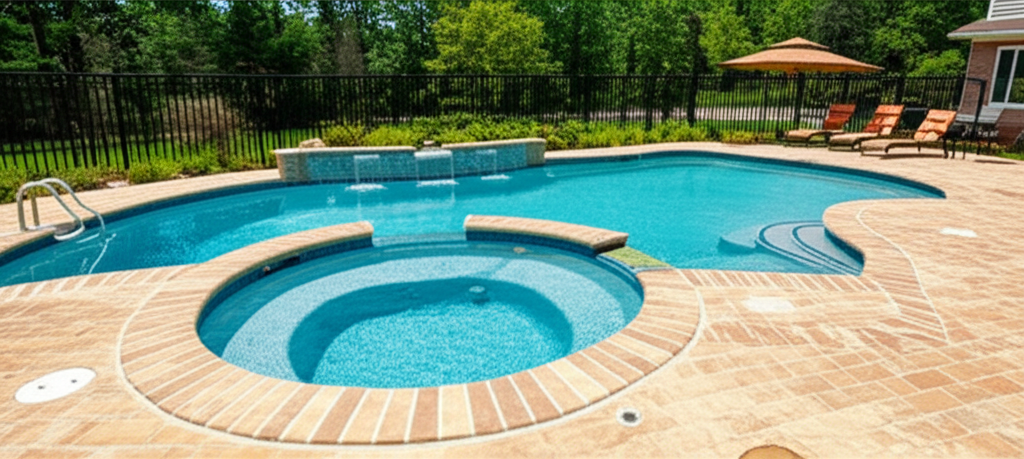
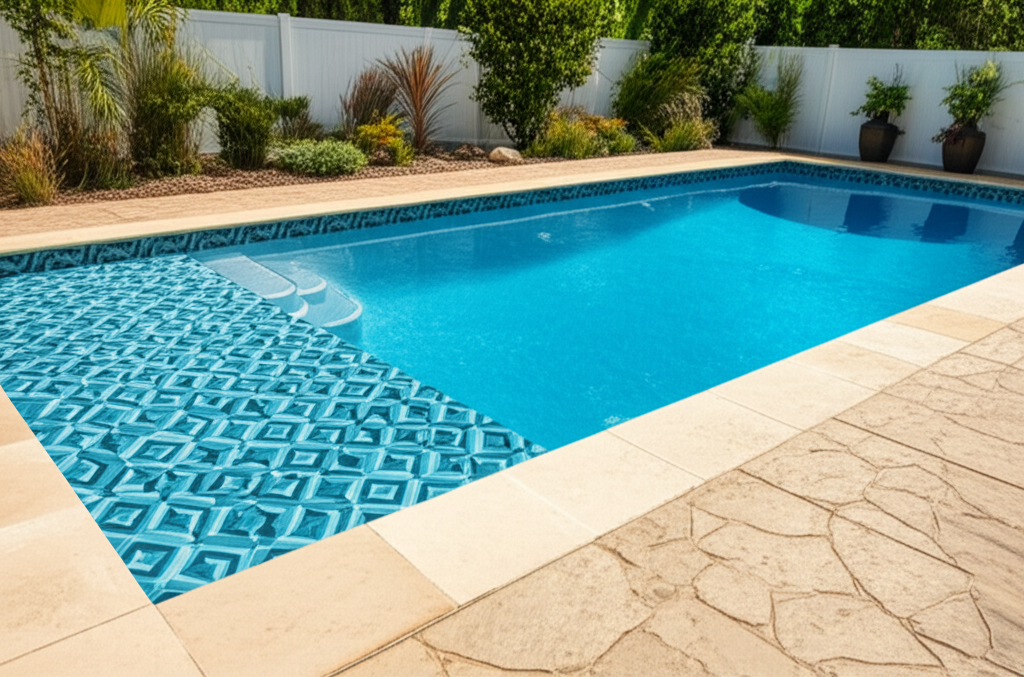
Pool Plaster is the quintessential foundation for any swimming pool’s interior, serving as both a protective barrier and the primary aesthetic surface. Far more than just a coating, it’s a critical component that dictates the look, feel, and longevity of your aquatic oasis. Choosing the right plaster finish transforms a simple excavation into a breathtaking backyard retreat, impacting everything from water color perception to resistance against algae and wear.
What is Pool Plaster?
At its core, pool plaster is a cement-based mixture applied to the gunite or shotcrete shell of a swimming pool. Traditionally, this involved a simple blend of white cement and marble dust, troweled onto the surface to create a smooth, watertight, and visually bright basin. This classic approach has been the industry standard for decades, offering an affordable and familiar aesthetic that reflects light beautifully, making pool water sparkle with a vibrant blue hue.
However, modern advancements in material science have propelled pool plaster beyond its basic origins. Today’s options incorporate a diverse range of aggregate materials, polymers, and pigments to enhance durability, resistance to staining, and offer an unparalleled spectrum of colors and textures. These innovations have opened up a world of possibilities for homeowners looking to customize their pools, moving from purely functional to truly artistic expressions.
The Evolution of Pool Plaster Technology
The journey from traditional white plaster to today’s sophisticated finishes is marked by a pursuit of greater durability, enhanced aesthetics, and reduced maintenance. Early plaster was known for its susceptibility to etching, staining, and a relatively shorter lifespan compared to the underlying shell. These challenges spurred manufacturers to innovate, leading to the development of reinforced plaster blends and the introduction of various aggregates.
Modern plaster formulations often include pozzolans, polymers, and specialized additives that improve workability during application, increase compressive strength, and reduce permeability once cured. This evolution means that contemporary pool plaster isn’t just a surface; it’s an engineered system designed to withstand the harsh realities of pool chemistry, UV exposure, and constant water immersion for many years.
Traditional White vs. Enhanced Pool Plaster Options
While classic white plaster remains a popular choice due to its affordability and the timeless bright blue water it creates, it does come with certain considerations. Its porous nature can make it more prone to staining from minerals, metals, and environmental debris. Over time, chemical imbalances can also lead to etching or “plaster dust” issues.
Enhanced plaster options, often still cement-based but with added dyes and polymers (sometimes referred to as “quartz plaster” when mixed with quartz aggregates), offer improved performance. These formulations introduce a wider color palette, from light blues and grays to tans and blacks, which can profoundly alter the pool’s character. The addition of finely ground quartz or other aggregates not only strengthens the surface but also provides a subtle shimmer and improved resistance to surface erosion and chemical attack.
Exploring Modern Pool Plaster Finishes for Durability and Aesthetics
The true revolution in pool plaster lies in the advent of aggregate finishes. These innovative systems incorporate a variety of natural materials, creating surfaces that are not only stunningly beautiful but also incredibly resilient.
The Appeal of a Pebble Finish
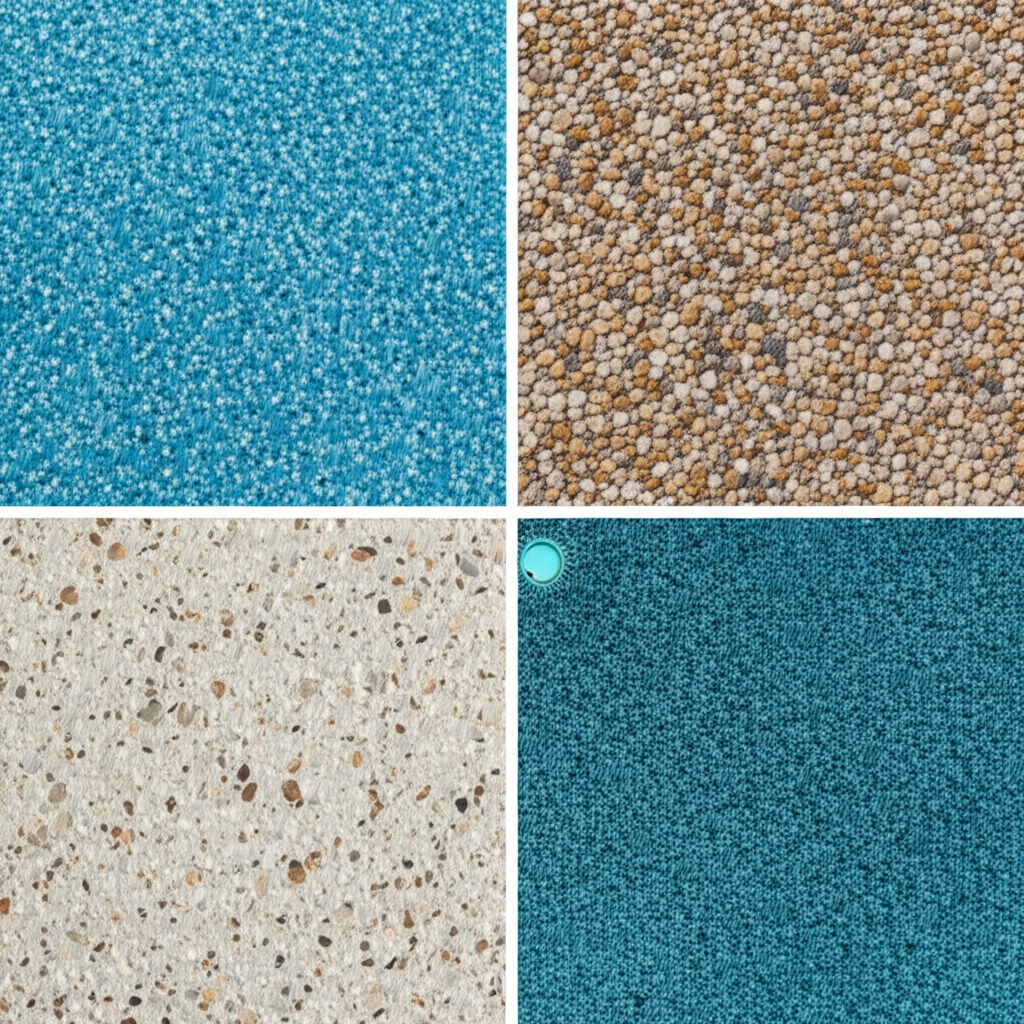
A Pebble Finish is perhaps the most enduringly popular of the aggregate options, renowned for its exceptional durability and natural beauty. This finish utilizes small, smooth, naturally tumbled river pebbles, blended with cement and additives. When applied, the plaster technician exposes the pebbles by washing away some of the cement mortar, revealing the beautiful texture beneath.
Pebble finishes offer a myriad of advantages:
Superior Durability: The hardiness of the natural pebbles makes these finishes highly resistant to chipping, fading, and chemical degradation. They typically boast a much longer lifespan than traditional white plaster.
Natural Aesthetic: The colors and textures of the pebbles mimic natural bodies of water, creating a lagoon-like appearance that integrates beautifully with outdoor landscapes.
Non-Slip Texture: The slightly textured surface provides excellent foot grip, enhancing safety in the pool.
Vast Color Range: Available in a wide variety of natural stone colors, from vibrant blues and greens to earthy browns and grays, allowing for extensive customization of water color and pool ambiance.
Stain Resistance: The dense, non-porous nature of the pebbles makes them far less susceptible to staining than traditional plaster.
While a pebble finish is a premium option, its longevity and aesthetic appeal often justify the initial investment, providing years of low-maintenance beauty.
Understanding the Versatility of an Aggregate Finish
The term Aggregate Finish encompasses a broader category that includes pebble finishes, but also extends to surfaces utilizing other types of aggregate materials like quartz, granite, glass beads, and even seashells. These finishes are created by mixing specially formulated cement with a blend of aggregates, which can then be exposed or polished depending on the desired outcome.
There are generally two main types of aggregate finishes:
1. Exposed Aggregate Finishes: Similar to pebble finishes, these involve washing away the top layer of cement to reveal the textured aggregate beneath. Beyond pebbles, these can include larger pieces of quartz, specialized colored sands, or even iridescent glass beads, offering unique shimmering effects and tactile experiences.
2. Polished Aggregate Finishes: These finishes feature fine aggregates like quartz or glass beads, which are then troweled, dried, and machine-polished to create a smooth, terrazzo-like surface. The polishing process brings out the vibrant colors and inherent luster of the aggregates, resulting in a luxurious, high-gloss appearance that is incredibly smooth to the touch.
Benefits of aggregate finishes include:
Outstanding Durability: The hardness of the aggregates significantly increases the surface’s resistance to etching, staining, and general wear and tear.
Vibrant and Lasting Colors: Aggregates, especially colored quartz and glass, inherently hold their color, resisting fading even with prolonged sun exposure and chemical treatment.
Unique Textures and Visual Effects: From the rustic feel of exposed pebbles to the sleek shimmer of polished glass, aggregate finishes offer an unparalleled range of sensory experiences.
Improved Chemical Resistance: The denser, less porous composition of aggregate finishes makes them more forgiving of minor chemical imbalances in the pool water.
Choosing Your Ideal Pool Plaster Finish
Selecting the right finish boils down to balancing your aesthetic desires with practical considerations.
Budget: Traditional white plaster is the most economical. Aggregate finishes, particularly those with rare or high-end materials, represent a greater initial investment but often pay off in longevity and reduced maintenance.
Desired Look and Water Color: Consider how the finish will interact with sunlight and the surrounding environment. Light colors create bright, clear water; darker finishes mimic deep lagoons. Aggregates introduce unique textures and sparkle.
Durability and Longevity: If low maintenance and maximum lifespan are priorities, a pebble or high-quality aggregate finish is often the best choice.
Texture and Comfort: Some prefer the super smooth feel of polished plaster, while others appreciate the gentle texture and grip of exposed aggregates.
Maintenance Commitment: While all pools require some maintenance, aggregate finishes are generally more forgiving to water chemistry fluctuations and less prone to staining.
Maintaining Your Stunning Pool Plaster
Regardless of the finish you choose, proper maintenance is crucial for maximizing its life and beauty. This includes:
Balanced Water Chemistry: Regularly test and adjust pH, alkalinity, calcium hardness, and sanitizer levels to prevent etching, scaling, or staining.
Regular Cleaning: Brush the pool walls and floor weekly to prevent algae growth and mineral deposits.
Prompt Stain Removal: Address any stains as soon as they appear to prevent them from becoming set.
Professional Inspection: Periodically have your pool inspected by a professional to catch and address potential issues early.
In conclusion, modern pool plaster offers an extraordinary blend of resilience and beauty. From the classic simplicity of white plaster to the rugged elegance of a pebble finish and the sophisticated shimmer of aggregate blends, homeowners today have an incredible array of choices to craft a pool that is not only a functional swimming space but a true work of art designed for lasting enjoyment.