- Unraveling the Mystery: Why Your Pool Pump Is Loud
- Tackling Pool Pump Noise: Practical Solutions
- Maintaining a Peaceful Pool Environment
Pool Pump Noise can transform your backyard oasis into a cacophony of whirring, grinding, and vibrating sounds. What should be a tranquil space for relaxation quickly becomes an annoyance, disturbing your peace and potentially your neighbors’. Fortunately, most sources of pump noise are identifiable and solvable, allowing you to restore serenity to your poolside experience without excessive effort.
Unraveling the Mystery: Why Your Pool Pump Is Loud
Before you can silence the beast, you need to understand why it’s making a racket. Pool pumps are complex pieces of machinery, and various issues can contribute to excessive noise. Identifying the specific type of sound can often point directly to the problem:
Grinding or Squealing: This is a classic indicator of worn-out motor bearings. Bearings allow the motor’s shaft to spin smoothly, and over time, they can corrode or wear down, creating significant motor noise. If ignored, this can lead to motor failure.
Humming or Clicking (without turning on): Often points to a capacitor issue or another electrical problem preventing the motor from starting. While not outright “noise,” it’s a sign of a struggling system.
Loud Rushing Water or Gurgling: This typically suggests cavitation, a phenomenon where air bubbles form and collapse within the pump. Cavitation can be caused by low water levels, clogged skimmers or filters, air leaks in the suction line, or a pump that’s too powerful for your plumbing.
Knocking, Scraping, or Rubbing: Something might be physically interfering with the impeller – the spinning component that moves water. This could be debris like leaves, twigs, or small rocks caught inside the pump housing.
Excessive Vibration: If the entire pump unit is shaking excessively, it could be due to loose mounting bolts, worn-out motor mounts, or rigid plumbing that transmits vibrations directly to the pump. Sometimes, the ground surface itself might resonate with the pump’s vibrations.
Constant Loud Whirring/Humming: While some operational noise is normal, an excessively loud hum can indicate the pump is simply working too hard, possibly due to a clogged filter, undersized plumbing, or simply being an older, less efficient model.
Tackling Pool Pump Noise: Practical Solutions
Once you’ve identified the type of noise, you can implement targeted solutions to quiet your pool pump.
Address Worn Bearings (Grinding/Squealing Motor Noise):
If the motor bearings are the culprit, there are two primary solutions: replacing the bearings or replacing the entire motor. Replacing bearings requires expertise and specialized tools, so many homeowners opt for a new motor. If your pump is old, replacing the entire pump with a newer, more efficient model might be a better long-term investment.
Optimize Water Flow and Prevent Cavitation (Gurgling/Rushing):
Check Water Level: Ensure your pool’s water level is at least halfway up the skimmer opening. Low water can draw air into the pump.
Clean Strainer Baskets: Regularly empty your skimmer and pump baskets. Clogged baskets restrict water flow.
Inspect for Air Leaks: Examine all suction-side plumbing (from skimmer to pump) for cracks, loose fittings, or worn O-rings. A common trick is to apply shaving cream around suspected leaks; if the cream gets sucked in, you’ve found a leak.
Backwash/Clean Filter: A dirty filter can restrict flow and cause the pump to work harder, leading to cavitation.
Verify Valve Positions: Ensure all valves are fully open on the suction side and correctly positioned for optimal flow.
Clear Impeller Debris (Knocking/Scraping):
Always turn off the power to the pump at the circuit breaker before performing any maintenance. Once the power is off, open the pump’s hair and lint pot, remove the basket, and carefully inspect the impeller area. Use a pair of needle-nose pliers or a thin wire to gently remove any lodged debris. Reassemble and test.
Isolate and Dampen Vibrations (Excessive Vibration):
Tighten Mounting Bolts: Ensure your pump is securely fastened to its pad. Loose bolts are a common cause of vibration.
Rubber Isolation Pads: Place heavy-duty rubber mats or vibration-dampening pads directly under the pump. These absorb vibrations before they can transmit to the ground or surrounding structures.
Flexible Connectors: Replace rigid PVC pipe sections directly connected to the pump with flexible connectors (e.g., rubber hoses with clamps). This prevents pump vibrations from traveling through the plumbing system.
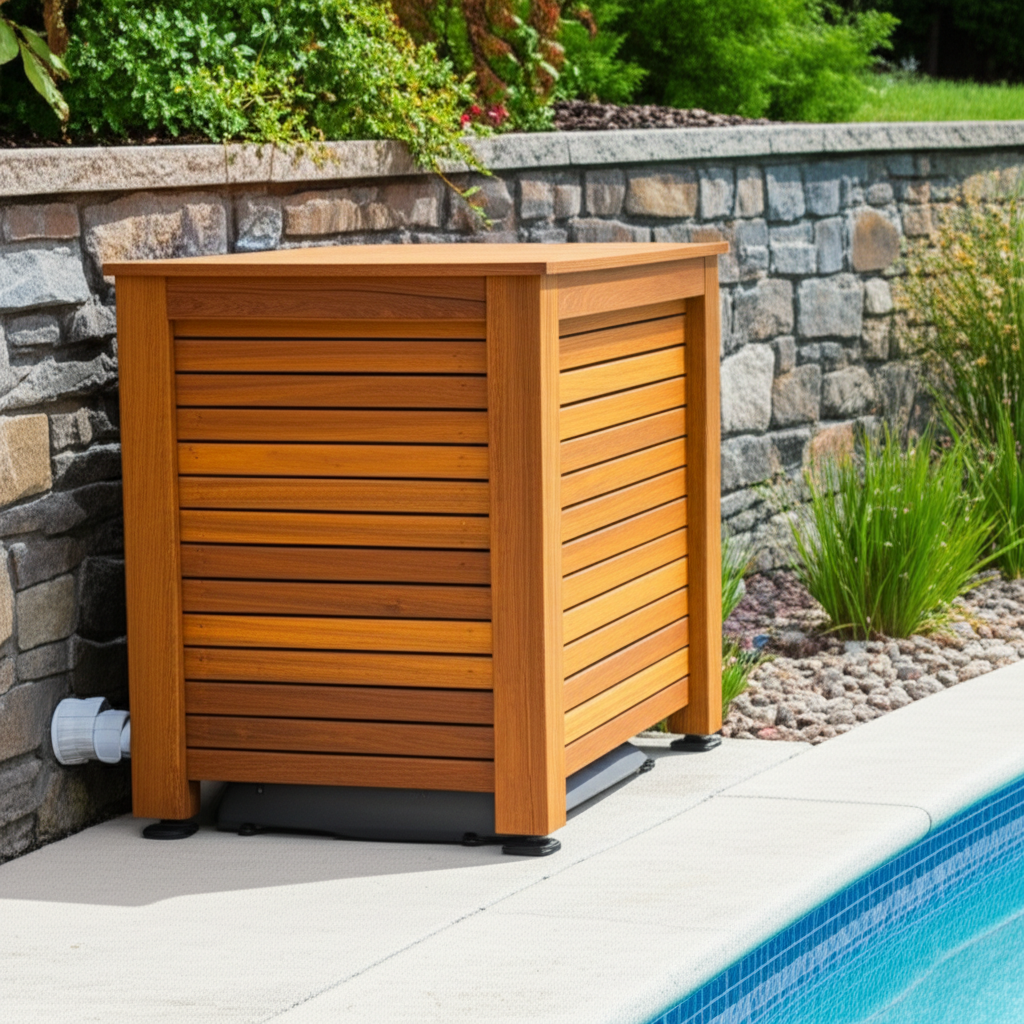
Sound Enclosures: For more persistent noise, consider building or purchasing a ventilated soundproof enclosure around the pump. Ensure the enclosure allows for adequate airflow to prevent overheating and has clear access for maintenance. Use sound-absorbing materials like mass-loaded vinyl or acoustic foam inside.
Consider Upgrades and Professional Help:
Variable Speed Pumps (VSPs): If your pump is old and noisy, upgrading to a variable speed pump is often the best solution. VSPs run at lower, quieter speeds for most of the day, using less energy and producing significantly less pool pump noise. Many VSP models are designed with quiet operation in mind.
Proper Sizing: An oversized pump or plumbing that is too small can both contribute to noise. If you suspect your pump isn’t correctly matched to your pool, consult a pool professional.
* Professional Assessment: If you’ve tried these solutions and your pump is still excessively noisy, it might be time to call a qualified pool technician. They can diagnose complex issues, perform repairs, or recommend suitable replacements.
Maintaining a Peaceful Pool Environment
Proactive maintenance is key to keeping your pool pump running quietly and efficiently for years to come. Regularly inspect your pump, keep your baskets clean, and address any unusual sounds promptly. A little vigilance goes a long way in ensuring that the only sounds you hear by your pool are the gentle lapping of water and the distant chirping of birds, not the constant drone of unruly pool pump noise. Enjoy your quiet oasis!