Pool Pump Schedule: The Ultimate Efficiency Guide
Optimizing your pool pump schedule is not just about saving money; it’s about maintaining pristine water quality, extending the life of your equipment, and being an environmentally conscious pool owner. Many pool owners simply run their pumps for a fixed duration, perhaps all day, without fully understanding the nuances of how a properly calibrated schedule can revolutionize their pool experience. This guide will delve into the science and practicalities behind creating an efficient schedule tailored to your pool’s unique needs.
Why Optimize Your Pool Pump Runtime?
Your pool pump is, without a doubt, one of the most significant energy consumers in your home. Running it unnecessarily can lead to hundreds, if not thousands, of dollars in wasted electricity costs each year. Beyond the financial implications, an optimized pump runtime ensures your pool circulates water effectively, filters out debris, and distributes chemicals evenly, all while minimizing wear and tear on the pump motor itself. A well-managed schedule prevents over-filtration (wasting energy) and under-filtration (leading to cloudy water and algae growth).
Understanding Your Pool Pump and Its Impact on Your Pool Pump Schedule
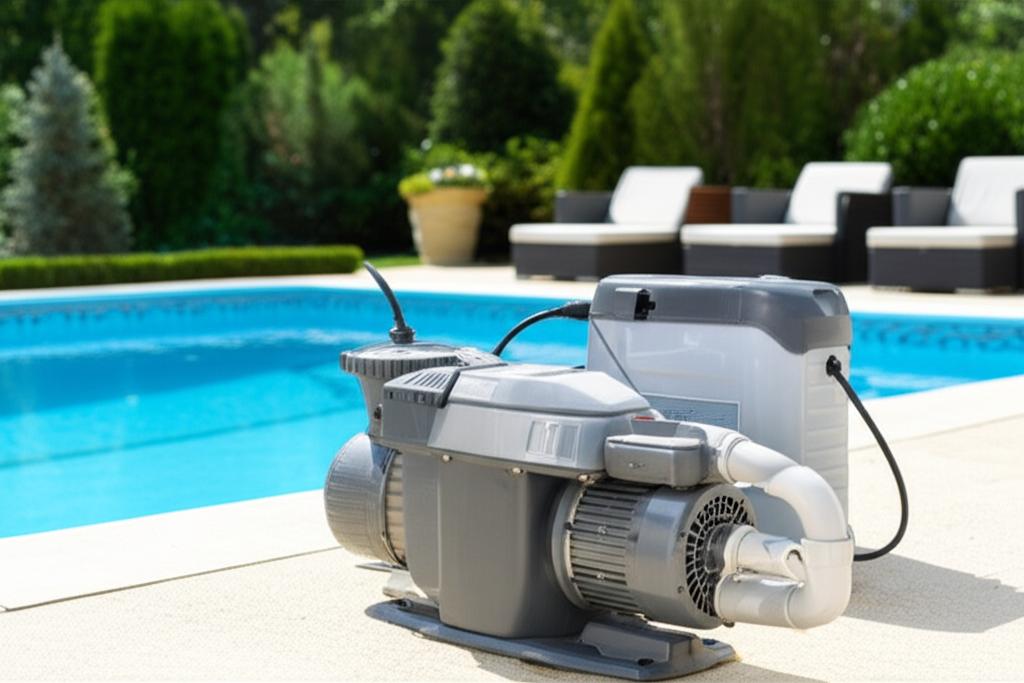
Before diving into specific timings, it’s crucial to understand the type of pump you have. This significantly impacts your potential for efficiency.
Single-Speed Pumps: These older models run at a constant, high speed whenever turned on, consuming a substantial amount of electricity. While effective for circulation, their energy inefficiency makes them costly to operate for long periods.
Dual-Speed Pumps: Offering both a high and a low speed, these pumps provide some flexibility. The low speed uses significantly less energy, making them more efficient than single-speed models.
Variable-Speed Pumps (VSPs): These are the gold standard for efficiency. VSPs allow you to precisely control the motor’s RPM, enabling you to run the pump for longer durations at much lower, energy-sipping speeds. This flexibility is key to maximizing efficiency and minimizing costs.
Key Factors Influencing Your Ideal Pump Runtime
Determining the perfect Pool Pump Schedule involves evaluating several critical factors:
1. Pool Size and Volume: Larger pools naturally require more time for all the water to pass through the filtration system.
2. Bather Load: A pool used frequently by many people will accumulate more contaminants (sweat, oils, lotions, hair) and require more diligent filtration.
3. Environmental Factors: Pools in areas with heavy leaf litter, dust, or high pollen counts will need more circulation. Similarly, hotter climates increase the demand for filtration and evaporation.
4. Filtration System Type: Different filters (sand, cartridge, DE) have varying micron filtration capabilities and flow rates.
5. Chemical Balance: Proper chemistry helps the filtration process, but an unbalanced pool may require longer filtration.
6. Desired Water Clarity: While turnover is key, some owners prefer exceptionally sparkling water, which might necessitate slightly longer run times.
The Science of Circulation: Turnover Rate
The core principle behind pump scheduling is the “turnover rate.” This refers to the amount of time it takes for your pump and filter to process all the water in your pool through the filtration system. For residential pools, the general recommendation is to achieve at least 1.5 to 2 turnovers per 24-hour period.
To calculate your required pump runtime, you’ll need:
Pool Volume (Gallons): Length x Width x Average Depth x 7.48 (for rectangular pools).
Pump Flow Rate (Gallons Per Minute – GPM): Check your pump’s specifications or consult a pool professional.
Filter Flow Rate (GPM): Your filter also has a maximum flow rate; your pump’s GPM should not exceed this.
Calculation Example:
1. Calculate daily GPH (Gallons Per Hour) needed: Pool Volume x 2 (for 2 turnovers) / 24 hours.
2. Calculate required runtime: Daily GPH / Pump GPH.
This calculation provides a baseline “pump runtime” for adequate turnover.
Crafting Your Optimal Pool Pump Schedule
With your turnover rate understood, you can start building a schedule:
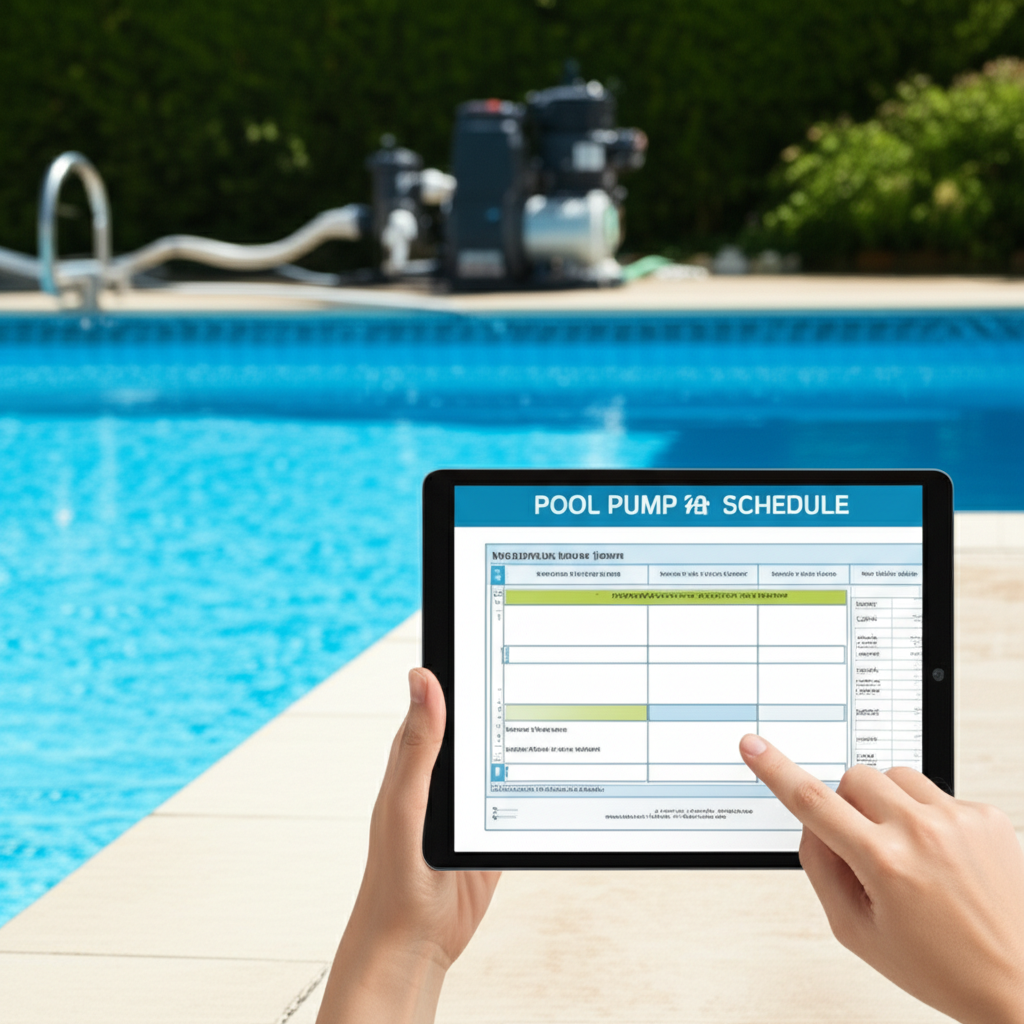
General Guideline: Most residential pools with a well-sized pump and filter will typically need to run for 8-12 hours per day using a single-speed pump to achieve sufficient turnover.
Peak vs. Off-Peak Electricity Rates: Many utility providers offer lower electricity rates during off-peak hours (often late night or early morning). Schedule your pump to run predominantly during these times to maximize savings.
Spreading Out Runtime: Instead of running the pump for 8 consecutive hours, consider breaking it into two or three shorter cycles (e.g., 4 hours in the morning, 4 hours in the evening). This helps distribute chemicals more consistently and catch debris throughout the day. However, for variable-speed pumps, longer continuous runs at lower speeds are often more efficient.
Seasonal Adjustments: In hotter months, with more sun exposure and higher bather loads, you might increase your pump runtime by an hour or two. During cooler, less active periods, you can often reduce it.
Monitoring and Adjusting: Pay attention to your pool’s clarity. If it starts to look cloudy, increase the runtime gradually until it clears. If it stays sparkling clean, you might be able to reduce runtime slightly.
Variable-Speed Pumps: The Game Changer for Pump Runtime
If you have a variable-speed pump, your approach to pump runtime changes significantly. Instead of shorter bursts at high power, VSPs allow for longer durations at much lower RPMs. Running a VSP at half its maximum speed can use as little as one-eighth of the energy, delivering significant savings.
Recommended VSP Strategy:
Aim for 24-hour turnover, but at significantly reduced speeds.
Run the pump at the lowest effective speed for the majority of the day (e.g., 1000-1500 RPM for 16-24 hours).
Increase speed for a few hours daily for more vigorous skimming or when using automatic cleaners.
Automate your VSP for seamless transitions between speeds.
Common Mistakes to Avoid
Running Too Little: Leads to cloudy water, algae bloom, increased chemical consumption, and potential health hazards.
Running Too Much: Wastes electricity, accelerates wear on pump components, and can sometimes be counterproductive by disturbing sediment.
Ignoring Off-Peak Hours: Missing out on potential energy cost savings.
Not Adjusting for Conditions: A static schedule doesn’t account for changing weather, usage, or cleanliness needs.
Beyond the Schedule: Other Efficiency Tips
While an optimal Pool Pump Schedule is vital, consider these additional tips for maximum efficiency:
Keep Filters Clean: A dirty filter restricts flow and forces your pump to work harder, consuming more energy.
Maintain Proper Water Chemistry: Balanced water chemistry helps the filtration process and reduces the need for the pump to compensate for poor water quality.
Use a Pool Cover: Covers prevent debris from entering the pool, reduce evaporation (saving water and chemicals), and retain heat, lessening the load on your heater and filter.
* Regular Maintenance: Ensure valves are open, skimmer baskets are clear, and there are no leaks in your system.
By understanding the factors that influence your pool’s needs and leveraging the capabilities of your equipment, you can create a pool pump schedule that keeps your water crystal clear, your energy bills low, and your equipment running smoothly for years to come. It’s an investment in both your wallet and your enjoyment of your backyard oasis.