- What Exactly Is Pool Shocking?
- Why and When to Use Pool Shock: The Core Benefits
- Choosing the Right Pool Shock Product
- Step-by-Step Guide to Applying Pool Shock Safely and Effectively
- Common Pitfalls to Avoid When Using Pool Shock
- Maintaining Optimal Pool Health Beyond Pool Shock
Pool shock is an indispensable tool for any pool owner seeking to maintain pristine, healthy, and inviting water. While regular chlorination keeps bacteria at bay day-to-day, pool shocking, also known as superchlorination, is the power boost your pool needs to tackle stubborn contaminants, eliminate chloramines, and restore that dazzling sparkle. It’s the secret weapon against cloudy water, pesky algae, and the unpleasant odors that can sometimes plague even the best-maintained pools.
What Exactly Is Pool Shocking?
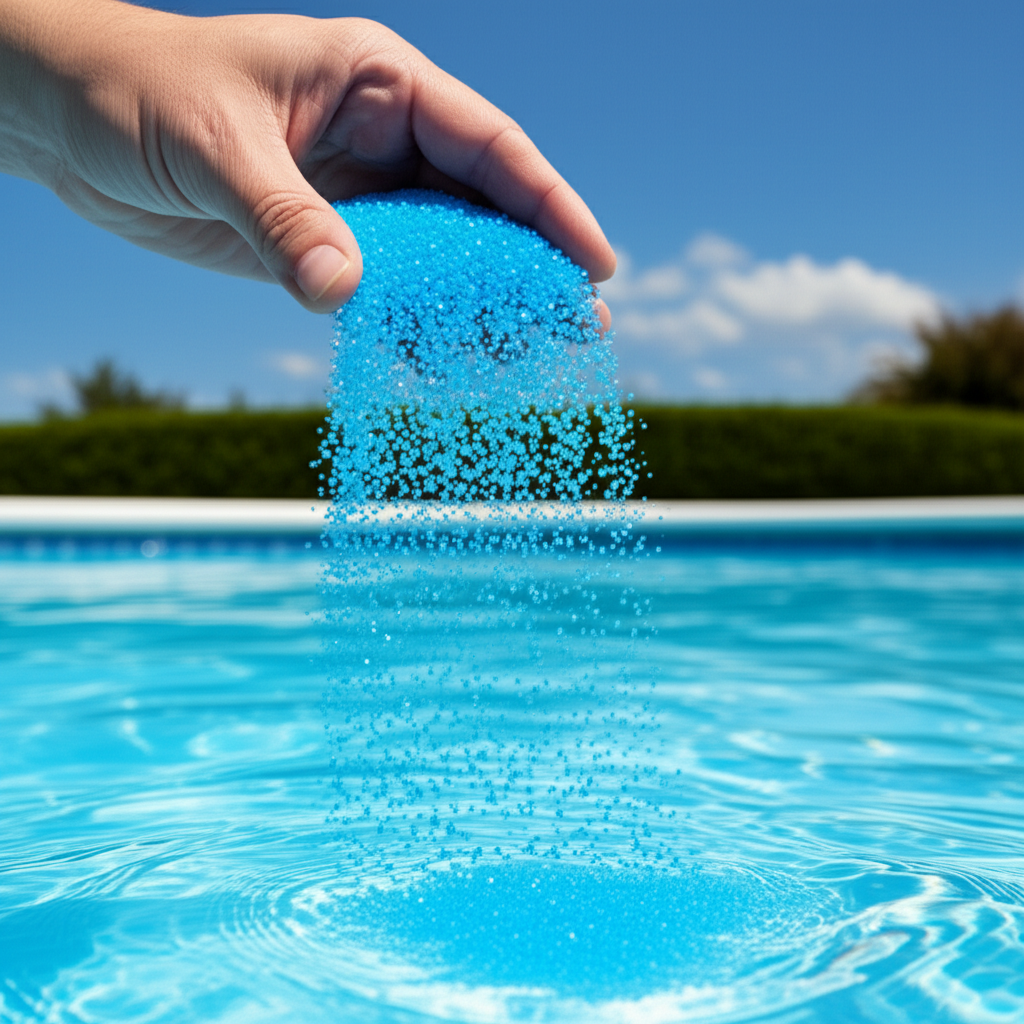
At its core, pool shocking involves adding a concentrated dose of chlorine or a non-chlorine oxidizer to your pool water. This sudden surge in sanitizing power is designed to overwhelm and neutralize a wide range of organic contaminants that regular chlorine levels might struggle to manage. Think of it as a reset button for your water chemistry. The primary goals of this process are:
Killing Bacteria and Algae: A high dose of sanitization effectively eradicates bacteria, viruses, and algae spores that can lead to cloudy water or green outbreaks.
Breaking Down Chloramines: This is where the term superchlorination often comes into play. Chloramines are formed when chlorine reacts with nitrogen-based compounds like sweat, urine, and cosmetics. They are responsible for the strong “chlorine smell” often associated with pools, as well as eye and skin irritation. Shocking oxidizes these chloramines, breaking them down into harmless byproducts and freeing up your chlorine to sanitize more effectively.
Oxidizing Organic Contaminants: Everything from dead skin cells to pollen and suntan lotion contributes to the organic load in your pool. Shocking helps to break these down, improving water clarity and reducing the demand on your regular sanitization system.
Why and When to Use Pool Shock: The Core Benefits
Understanding the “why” and “when” of shocking is crucial for effective pool maintenance. Integrating it into your routine can prevent a host of common pool problems.
Cloudy Water: If your water looks hazy or milky, shocking is often the first step to restore clarity. Cloudy water can be a sign of increased organic load or insufficient sanitation.
Algae Outbreaks: The appearance of green, black, or yellow algae demands immediate action. A powerful shock treatment can kill existing algae and prevent further proliferation.
Strong Chlorine Odor/Eye Irritation: Contrary to popular belief, a strong “chlorine smell” doesn’t mean there’s too much chlorine, but rather too many chloramines. Shocking eliminates these, making your pool more pleasant and comfortable.
After Heavy Bather Loads: Post-party, after a heatwave with lots of swimming, or following inclement weather (like heavy rain), your pool’s chlorine demand will skyrocket. A shock treatment rebalances the water chemistry.
Seasonal Opening and Closing: Shocking is a vital step when opening your pool for the season to kill any contaminants that have built up over winter, and when closing it to ensure all organic matter is oxidized before dormancy.
Weekly Maintenance: Many experts recommend a weekly or bi-weekly shock treatment, especially during peak swimming season, to keep chemical levels stable and prevent problems before they start.
Choosing the Right Pool Shock Product
Selecting the correct type of pool shock depends on your specific needs and pool chemistry.
1. Calcium Hypochlorite (Cal-Hypo): This is the most common and often most economical type of shock. It’s powerful and effective but can raise calcium hardness levels, which may be a concern for pools in hard water areas. Cal-Hypo typically comes in granular form and often needs to be pre-dissolved before adding to the pool to prevent bleaching liners and etching plaster.
2. Sodium Dichlor (Dichlor): Known for its rapid dissolving properties and stabilization with cyanuric acid (CYA). This is a good choice for stabilizing chlorine in outdoor pools, but continuous use can lead to excessively high CYA levels, which can make chlorine less effective.
3. Lithium Hypochlorite: A fast-dissolving and unstabilized option that won’t contribute to calcium hardness or CYA levels. It’s generally more expensive than Cal-Hypo or Dichlor but can be a great choice for specific situations where calcium or CYA are already high.
4. Potassium Monopersulfate (Non-Chlorine Shock): While not a sanitizer, this oxidizer is effective at breaking down chloramines and organic contaminants without adding active chlorine. This is ideal for quickly clearing cloudy water or eliminating odors, and allows you to swim sooner, often within 15 minutes. However, it won’t kill bacteria or algae, so it’s best used in conjunction with a regular chlorine regimen.
Step-by-Step Guide to Applying Pool Shock Safely and Effectively
Proper application is key to maximizing the benefits of pool shock while ensuring safety.
1. Test Your Water: Before shocking, test your pH, alkalinity, and existing chlorine levels. Adjust pH to between 7.4 and 7.6 for optimal shock effectiveness.
2. Calculate Dosage: Read the product label carefully to determine the correct amount of shock for your pool’s volume. Overdosing can be wasteful and potentially harmful; underdosing may be ineffective.
3. Safety First: Always wear protective gloves and eyewear when handling pool chemicals. Shock products are strong oxidizers and can irritate skin and eyes.
4. Shock at Dusk or Night: UV rays from the sun rapidly degrade chlorine. Applying shock after sunset allows it to work more efficiently without being immediately burned off.
5. Pre-Dissolve (if required): For granular shocks like Cal-Hypo, it’s often essential to pre-dissolve the product in a bucket of pool water. Slowly add the granules to the bucket water (never the other way around) and stir until fully dissolved.
6. Apply Evenly: Slowly pour the dissolved shock solution or granular product (if specifically designed for direct addition) around the perimeter of the deepest part of your pool. Avoid concentrating it in one area, especially on liners or near sensitive equipment.
7. Run the Filter: Keep your pool’s circulation system running for at least 8-12 hours after shocking to ensure the product is evenly distributed and can work effectively.
8. Wait Before Swimming: The waiting period varies by product and initial dosage, but generally, you should wait until chlorine levels have dropped back to 1-3 ppm and are stable before allowing anyone to swim. Always test your water before re-entry.
Common Pitfalls to Avoid When Using Pool Shock
Shocking During the Day: As mentioned, the sun’s UV rays will quickly diminish the effectiveness of chlorine-based shocks.
Not Dissolving Granular Shock: Adding undissolved granules directly to the pool can cause bleaching of liners, plaster discoloration, or even corrosion of metals as the concentrated chemical settles.
Improper Dosage: Too little shock won’t kill contaminants; too much can lead to excessively high chlorine levels and prolonged wait times.
Mixing Chemicals: Never mix different types of shock or other pool chemicals together. This can create dangerous reactions, including toxic gases or explosions.
Swimming Too Soon: Entering a freshly shocked pool can cause severe skin and eye irritation, and even discoloration of swimwear. Always wait for chlorine levels to stabilize.
* Neglecting Other Chemistry: Shocking is not a substitute for regular pH and alkalinity balance. Ensure all other parameters are within recommended ranges for optimal results.
Maintaining Optimal Pool Health Beyond Pool Shock
While pool shock is a powerful tool, it’s part of a broader strategy for pool maintenance. Regular tasks like brushing, vacuuming, cleaning your filter, and maintaining consistent sanitizer levels (chlorine, bromine, etc.) are equally vital. By combining a diligent weekly routine with strategic shocking, you empower your pool to sparkle with clarity and remain a safe, inviting oasis throughout the swimming season.
In conclusion, understanding and correctly utilizing pool shock is fundamental to unlocking and maintaining crystal clear, healthy water. It’s not just about adding chemicals; it’s about making an informed decision to combat contaminants effectively, ensuring your pool remains a source of enjoyment, not frustration.