- Why Your Pool Waterline Needs Regular Attention
- The Culprits Behind Waterline Stains
- Mastering Pool Waterline Cleaning: DIY Approaches
- Dealing with Stubborn Stains: Prevention is Key
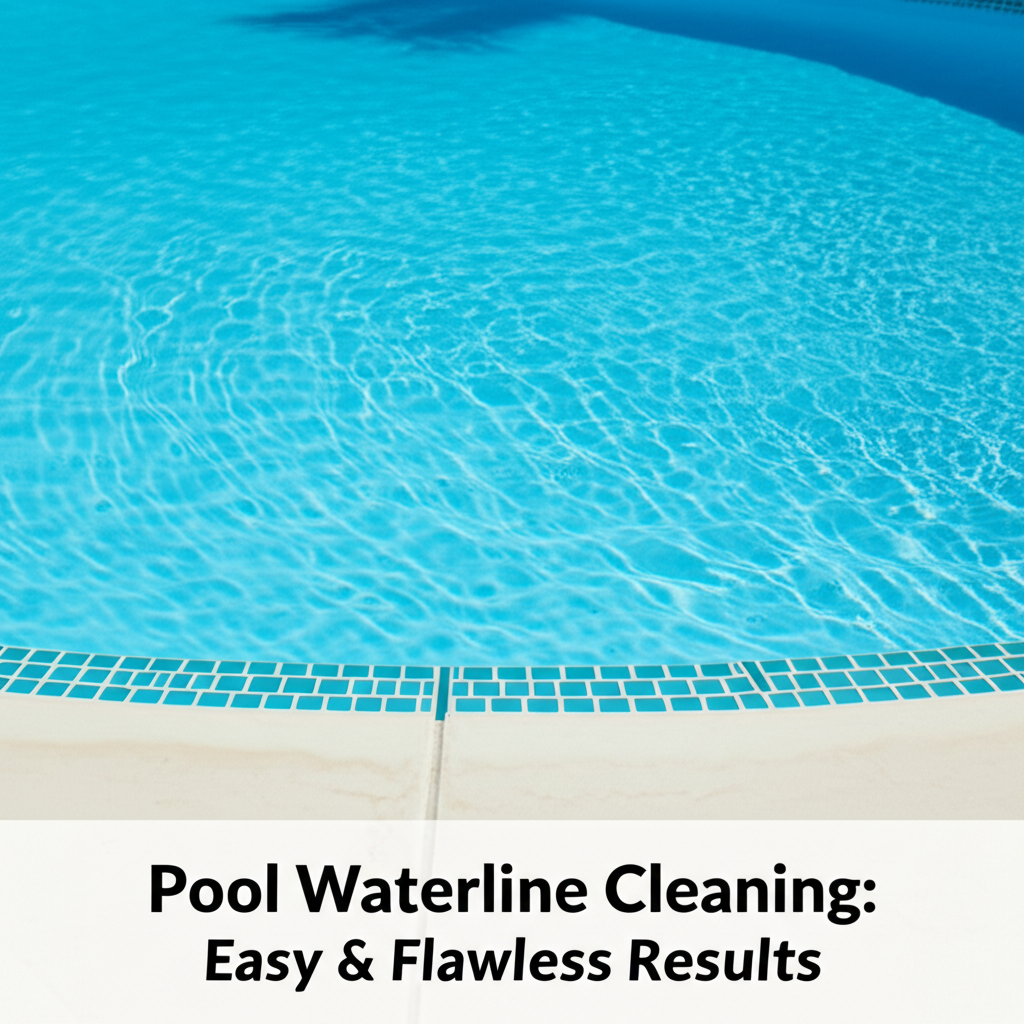
Pool Waterline Cleaning: A pristine swimming pool is the centerpiece of any outdoor oasis, but even the most dazzling water can be overshadowed by a dirty, grimy waterline. That unsightly ring of grime and mineral deposits can detract from your pool’s aesthetic appeal and even harbor unwanted bacteria and algae. Fortunately, achieving easy and flawless results in cleaning your pool’s waterline is entirely within reach with the right knowledge and some consistent effort.
The waterline, often referred to as the “tile line,” is where the water meets the pool shell or tiles, making it a prime location for various residues to accumulate. Over time, these residues solidify into a stubborn band that can be challenging to remove without proper techniques. Understanding the culprits behind this buildup is the first step toward effective cleaning and long-term prevention.
Why Your Pool Waterline Needs Regular Attention
Beyond the obvious aesthetic improvements, keeping your pool waterline clean is crucial for several practical reasons:
Elevated Aesthetics: A clean waterline instantly enhances the visual appeal of your entire pool, making it look well-maintained and inviting. It elevates the beauty of your tiling and the sparkle of your water.
Preventing Algae and Bacteria Growth: The film that builds up at the waterline can become a breeding ground for algae, mold, and bacteria. Regular cleaning helps to disrupt this cycle, contributing to healthier water quality.
Protecting Pool Surfaces: Hard water contains minerals like calcium and magnesium. When water evaporates from the waterline, it leaves these minerals behind, forming scale buildup. Over time, this scale can etch or permanently stain your pool tiles and finishes if not addressed. Early tile cleaning prevents costly damage and replacement.
Maintaining Water Chemistry: Excessive organic matter and mineral deposits at the waterline can subtly affect your pool’s chemical balance, making it harder to maintain optimal levels.
The Culprits Behind Waterline Stains
To effectively tackle waterline stains, it helps to know what you’re up against:
Calcium Buildup (Calcium Scale): This is the most common and often toughest stain. As water evaporates, particularly in hard water areas, it leaves behind dissolved calcium and other minerals that crystallize onto the surfaces at the waterline. This appears as a white or grayish crust.
Body Oils, Sunscreen, and Cosmetics: Bathers inadvertently introduce these into the pool. These oily substances float to the surface and adhere to the waterline, creating a greasy film.
Organic Debris and Algae: Pollen, dust, leaves, and other organic matter can settle at the waterline. If nutrient levels are high or sanitation is low, algae can also proliferate, staining the line green or black.
Chemical Residue: Improper chemical shocking or unbalanced water chemistry can sometimes lead to staining or residue deposits.
Mastering Pool Waterline Cleaning: DIY Approaches
Tackling scum line removal yourself is a satisfying and cost-effective way to preserve your pool’s sparkle. Here’s a step-by-step guide to achieving outstanding results:
1. Lower the Water Level Slightly: For optimal access, it’s often easiest to lower your pool’s water level by a few inches so the entire stained area is exposed and dry.
2. Gather Your Tools:
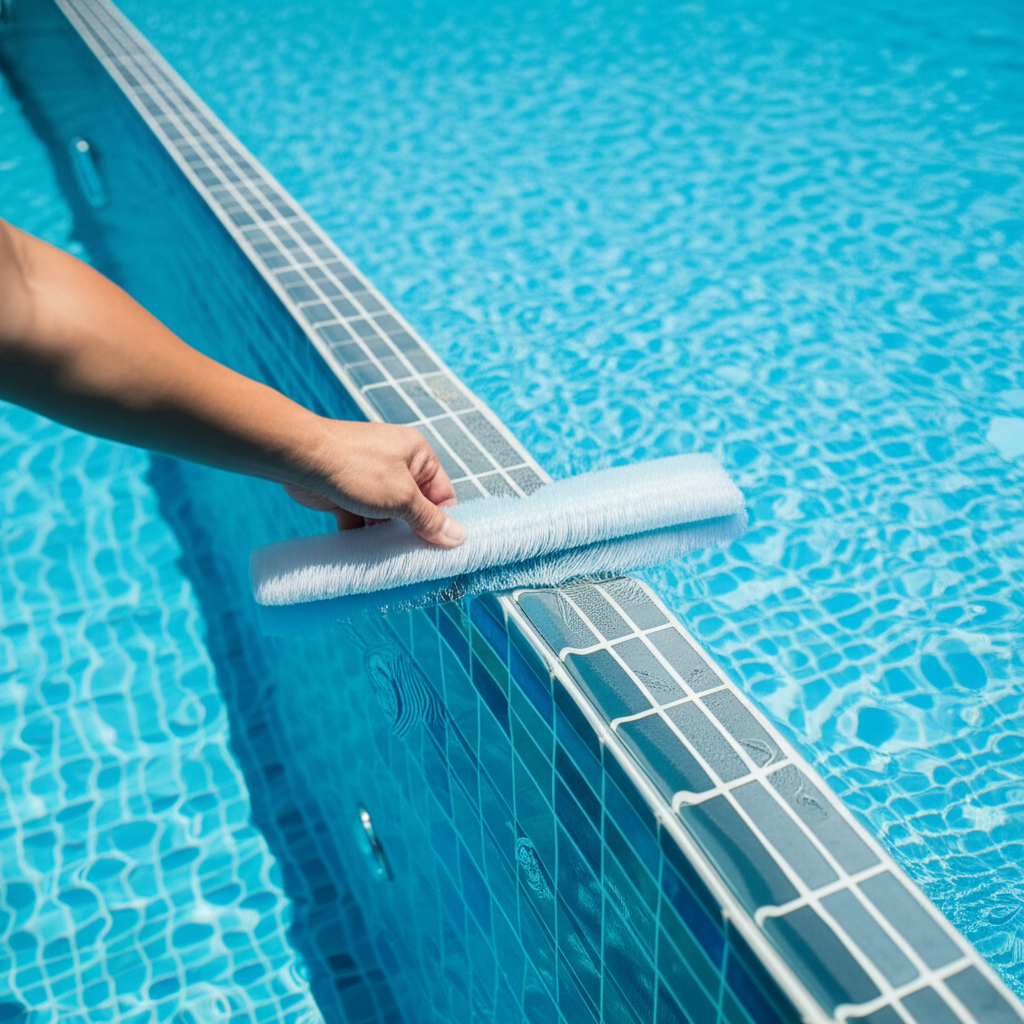
Non-Abrasive Brushes/Sponges: A specialized pool tile cleaning brush, a magic eraser, or a soft scrubbing pad are often sufficient for lighter stains. Avoid steel wool or overly stiff brushes that can scratch surfaces.
Pumice Stone: A dedicated pool pumice stone (designed not to scratch tiling) can be incredibly effective on stubborn calcium deposits, but use it with caution and always test a small, inconspicuous area first.
Cleaning Solutions:
Vinegar & Baking Soda Paste: For light stains and general grime, a paste of baking soda and water or a spray of white vinegar can work wonders. Apply, let sit for 15-30 minutes, then scrub.
Citrus-Based Cleaners: Many commercial pool waterline cleaners are formulated with citrus acids, which are effective at dissolving mineral deposits. Always choose cleaners specifically designed for pools and check if they are safe for your specific tile type.
Enzyme Cleaners: These are excellent for breaking down greasier stains from body oils and sunscreens.
3. Application and Technique for Effective Scum Line Removal:
Test First: Always apply your chosen cleaner to a small, hidden section of the tile to ensure it doesn’t cause discoloration or damage.
Apply and Dwell: Apply the cleaning solution liberally to the stained area. Allow it to sit for the recommended time (check product labels or give natural solutions 15-30 minutes to work). This “dwell time” allows the cleaner to penetrate and loosen the grime.
Scrub Gently But Firmly: Using your chosen brush or pad, scrub the waterline in small sections. For calcium buildup, you may need to apply more pressure or use a pumice stone.
Rinse Thoroughly: After scrubbing each section, rinse the area with fresh water (you can use a garden hose or a bucket) to remove the loosened grime and cleaner residue. This is crucial to prevent the dissolved contaminants from re-depositing into your pool water.
Work in Sections: Don’t try to clean the entire pool waterline at once. Work on manageable sections (e.g., 5-10 feet at a time) to prevent cleaners from drying out before you can scrub and rinse.
Dealing with Stubborn Stains: Prevention is Key
For extremely heavy calcium scale, you might need stronger, usually acid-based, commercial calcium removers. These products require strict adherence to safety guidelines, including wearing protective gloves and eyewear, and ensuring proper ventilation. In some severe cases, professional services offering bead blasting or pressure washing specific to pool tiles might be the only solution.
However, the best defense against a dirty waterline is a good offense:
Maintain Balanced Water Chemistry: Regularly test and adjust your pH, alkalinity, and calcium hardness levels. Proper balance significantly reduces mineral scaling and algae growth.
Skim and Brush Regularly: Daily skimming removes surface oils and debris before they can adhere to the waterline. A quick weekly brush of the waterline during your regular pool cleaning routine can prevent buildup from solidifying.
Use Enzyme Products: Adding enzyme-based pool clarifiers regularly can help break down oils and organic matter, reducing their accumulation at the waterline.
Waterline Wipes: Keep a stash of pool-specific waterline wipes handy for quick touch-ups of fresh greasy rings.
Scum Absorbers: Scum “balls” or “bunnies” that float in your skimmer can absorb oils and lotions, preventing them from reaching the waterline.
By integrating these proactive measures with occasional targeted scum line removal, you can easily maintain a sparkling clean waterline, ensuring your pool remains a beautiful and inviting haven all season long. With a little diligence, flawless results are not just possible, but sustainable.