- Why Consider Resurfacing Your Pool?
- Beyond Aesthetics: The Practical Reasons for Resurfacing Your Pool
- Understanding Pool Resurfacing Materials
- New Plaster, Aggregate, and More: Choosing Your Finish
- The Resurfacing Process: What to Expect
- Achieving Stunning, Effortless Results
- Maintenance After Resurfacing
- Conclusion
Resurfacing a pool is often the transformative touch your backyard oasis needs, turning a tired, dated, or damaged swimming area into a stunning, inviting feature. More than just a cosmetic upgrade, it’s a vital investment in the longevity, safety, and overall enjoyment of your pool. If your pool finish is showing its age with cracks, stains, or a rough texture, a professional resurface can deliver truly effortless results, making your pool feel brand new plaster without the need for extensive structural rebuilding.
Why Consider Resurfacing Your Pool?
Over time, even the most robust pool finishes succumb to the relentless forces of water chemistry, UV exposure, and general wear and tear. What might start as minor discoloration can escalate into more significant issues.
Beyond Aesthetics: The Practical Reasons for Resurfacing Your Pool
While a beautiful pool is certainly appealing, there are several compelling practical reasons why resurfacing a pool should be a priority:
Addressing Cracks and Leaks: Small cracks in the plaster can expand, leading to costly leaks and compromising the structural integrity of your pool shell. Resurfacing seals these imperfections, preventing water loss and further damage.
Improving Safety and Comfort: A rough, pitted, or delaminating surface can be abrasive on skin and swimwear. Resurfacing creates a smooth, comfortable surface that’s pleasant to touch and safer for swimmers, reducing the risk of scrapes and cuts.
Preventing Algae Growth: Worn surfaces often become porous, creating ideal breeding grounds for algae and bacteria, even with proper chemical treatment. A new, non-porous finish inhibits algae growth, making your pool easier to clean and maintain.
Enhancing Curb Appeal and Property Value: A pristine-looking pool significantly boosts your home’s curb appeal and can add substantial value to your property, making it more attractive to potential buyers.
Modernizing Your Look: Outdated finishes can make your entire backyard look dated. Resurfacing offers an opportunity to choose modern colors and textures that complement contemporary landscaping and architectural styles, creating a truly stunning outdoor living space.
Understanding Pool Resurfacing Materials
The industry offers a diverse range of materials, each with unique characteristics, aesthetics, durability, and price points. Your choice profoundly impacts the final look and feel of your rejuvenated pool.
New Plaster, Aggregate, and More: Choosing Your Finish
Traditional Plaster (New Plaster): The classic choice, standard white plaster, remains popular for its smooth finish and affordability. It delivers that quintessential aquamarine glow. However, plaster is the most susceptible to etching, staining, and chemical wear over time, typically lasting 5-10 years. Modern plaster formulations often include additives to enhance durability and stain resistance.
Aggregate Finishes: These finishes mix cement with various aggregates like pebbles, quartz, or glass beads.
Exposed Aggregate (Pebble): Offering superior durability and slip resistance, pebble finishes provide a natural, riverbed-like appearance. They are highly resistant to staining and chemical imbalances, lasting 15-20 years or more. While slightly rougher than plaster, many find the texture appealing and secure.
Polished Aggregate (Quartz): Combining quartz aggregates with a specialized cement blend, these finishes are polished to reveal sparkling flecks of quartz. They offer a smoother texture than exposed aggregate while sharing much of their durability and stain resistance, with a lifespan similar to pebble finishes.
Tile: For the ultimate in luxury and customization, full tile finishes are peerless. Tiles can be ceramic, porcelain, glass, or stone, offering an almost infinite array of colors, patterns, and textures. Tile pools are incredibly durable, easy to clean, and virtually impervious to chemical damage, lasting decades. They represent the highest investment but provide a truly stunning and unique aesthetic.
Painted or Epoxy Coatings: While often presented as a DIY-friendly, budget-conscious option, these are generally temporary solutions and not true resurfacing. They offer less durability and a shorter lifespan compared to plaster or aggregate finishes and rarely deliver the “stunning” results of professional-grade materials.
The Resurfacing Process: What to Expect
While the results are often described as “effortless” for the homeowner, the actual resurfacing process is a meticulously planned and expertly executed operation by skilled professionals.
1. Drainage: The pool is completely drained of water.
2. Surface Preparation: This crucial step involves chipping out any loose or delaminated sections of the old plaster, cleaning the surface thoroughly, and often applying a bond coat to ensure proper adhesion of the new material.
3. Application of New Finish: The chosen material (plaster, aggregate, etc.) is expertly applied to the pool shell, typically sprayed or hand-troweled by a crew. This is a very time-sensitive process to achieve a uniform and smooth finish.
4. Curing and Initial Fill: After application, the new surface begins its curing process. The pool is then carefully refilled with water, adhering to specific guidelines to ensure even curing and prevent streaking or damage.
5. Chemical Start-Up: A specialized start-up regimen, often spanning several days to weeks, is initiated. This involves precise chemical balancing to properly cure the new plaster or aggregate finish, preventing issues like scaling or staining.
Achieving Stunning, Effortless Results
The “effortless” aspect comes from entrusting this complex work to experienced professionals. They handle everything from material selection to the intricate application and initial water treatment. For the homeowner, it truly is a process of sit back and watch your pool transform. The “stunning” results are a direct consequence of:
Expert Craftsmanship: Skilled applicators ensure a smooth, even, and durable finish.
Quality Materials: Investing in high-grade plaster, aggregate, or tile ensures lasting beauty and performance.
Thoughtful Design Choices: Collaborating with your contractor to select a finish that complements your home, landscaping, and personal style.
* Proper Curing and Start-Up: Following the recommended procedures for curing and chemical balancing is paramount for the longevity and pristine appearance of your new surface.
Maintenance After Resurfacing
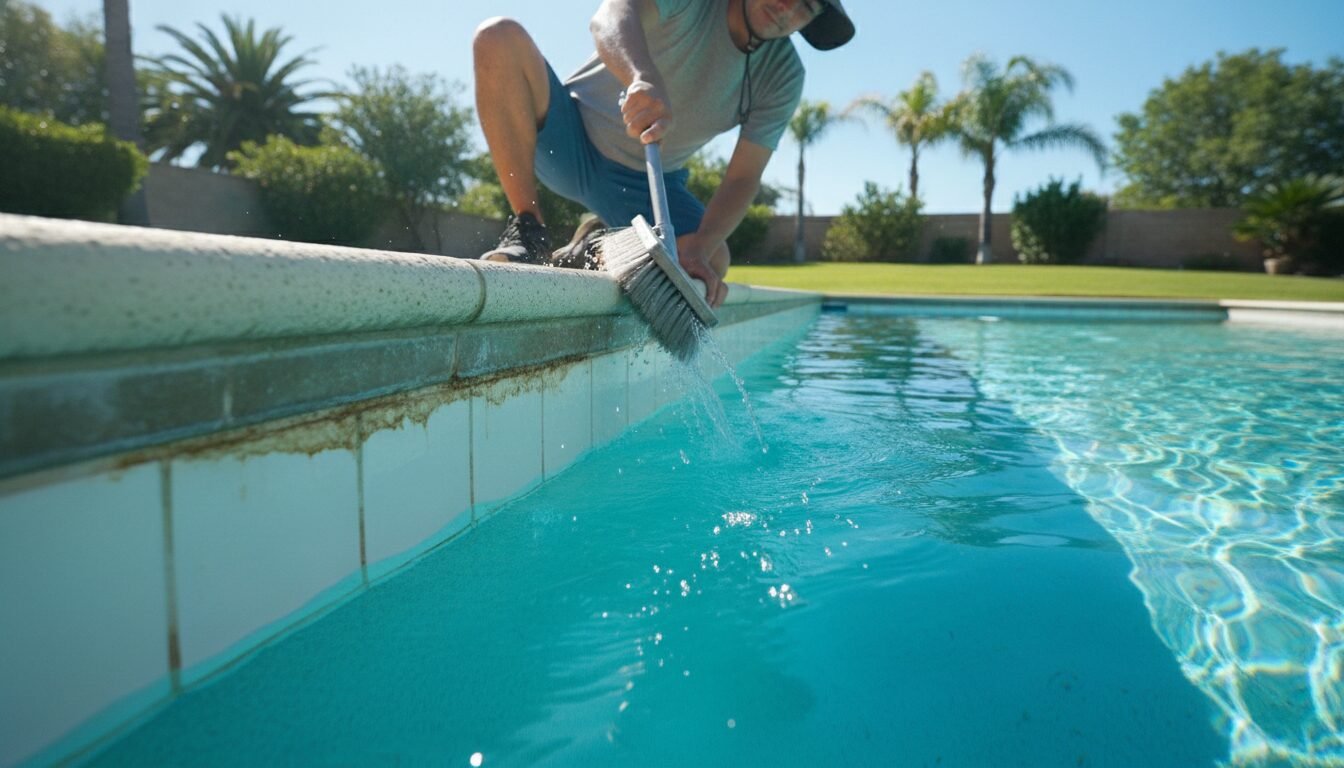
Once your pool has been beautifully resurfaced, proper care is essential to maintain its stunning appearance and extend its lifespan. For new plaster and aggregate surfaces, an initial brushing and chemical balancing phase is crucial for the first few weeks to ensure proper curing and prevent issues like plaster dust or scaling. Ongoing, consistent maintenance including regular brushing, vacuuming, and diligent chemical balancing will prevent premature wear, staining, and algae growth, keeping your pool looking its best for years to come.
Conclusion
Resurfacing a pool is far more than a simple repair; it’s a comprehensive renovation that breathes new life into your entire outdoor living space. From the enhanced safety and comfort of a smooth surface to the vibrant aesthetic of a modern finish, the benefits are expansive. With the right materials and experienced professionals, you can achieve stunning, effortless results that transform your old pool into a dazzling centerpiece, ready for years of enjoyment, relaxation, and memorable moments. It’s an investment that pays dividends in beauty, function, and property value.