- How Salt Water Chlorinators Work: The Science Behind the Sparkle
- The Unparalleled Benefits of a Salt Water Chlorinator System
- Essential Components: Understanding Your Salt System
- Maintaining Your Salt Water Chlorinator for Lasting Performance
- Is a Salt Water Chlorinator Right for Your Pool?
Salt Water Chlorinators have revolutionized pool care, offering a sophisticated and convenient alternative to traditional chlorine methods. For pool owners seeking the ultimate in effortless maintenance, superior water quality, and a more pleasant swimming experience, embracing a salt water chlorination system is a transformative step. Gone are the days of manually adding harsh chemicals; instead, these intelligent systems generate chlorine naturally and continuously, ensuring crystal-clear water with minimal effort.
How Salt Water Chlorinators Work: The Science Behind the Sparkle
At its core, a salt water chlorinator operates on a simple yet brilliant principle: electrolysis. Instead of adding chlorine directly, you add a measured amount of special pool salt (sodium chloride) to the pool water, creating a very mild saline solution – roughly ten times less salty than ocean water. As this slightly salted water passes through a device called a salt cell, an electrical charge is applied. This charge converts the dissolved sodium chloride into hypochlorous acid (free chlorine), the same sanitizing agent found in traditional chlorine products.
Once the chlorine has done its job of sanitizing the water and neutralizing contaminants, it naturally reverts back into salt. This continuous cycle means the salt is never “used up” – it’s simply converted, used, and then converted back. You only need to replenish the salt lost through splash-out, backwashing, or dilution from rain, making it an incredibly efficient and self-sustaining sanitization method.
The Unparalleled Benefits of a Salt Water Chlorinator System
The move to a salt water chlorination system comes with a host of advantages that enhance both the swimming experience and the owner’s peace of mind:
Softer, Gentler Water: Perhaps the most immediate and noticeable benefit is the incredibly soft feel of the water. Unlike traditional chlorine, which can leave skin dry and eyes irritated, salt water pools are far gentler. Swimmers report less redness in their eyes and no “chlorine smell” clinging to their skin or swimwear.
Automated Chlorine Production: This is where the “ultimate pool care” truly comes into play. Once your salt water chlorinator is set up, it automatically generates chlorine based on your pool’s needs. This eliminates the daily chore of adding chlorine, freeing up your time and ensuring consistent sanitation.
No More Chemical Handling: Say goodbye to storing and handling potentially hazardous chlorine tablets, liquid, or shock. A salt system drastically reduces the need for these chemical products, making your pool area safer and less cluttered.
Consistent Sanitization: Fluctuation in chlorine levels is a common issue with manual dosing. A salt water chlorinator maintains a much more stable and consistent level of free chlorine, providing superior protection against algae and bacteria growth around the clock.
Long-Term Cost Savings: While there’s an initial investment, the ongoing cost of pool salt is significantly lower than continually purchasing chlorine products. Over several years, a salt water chlorinator can lead to substantial savings on chemicals.
Essential Components: Understanding Your Salt System
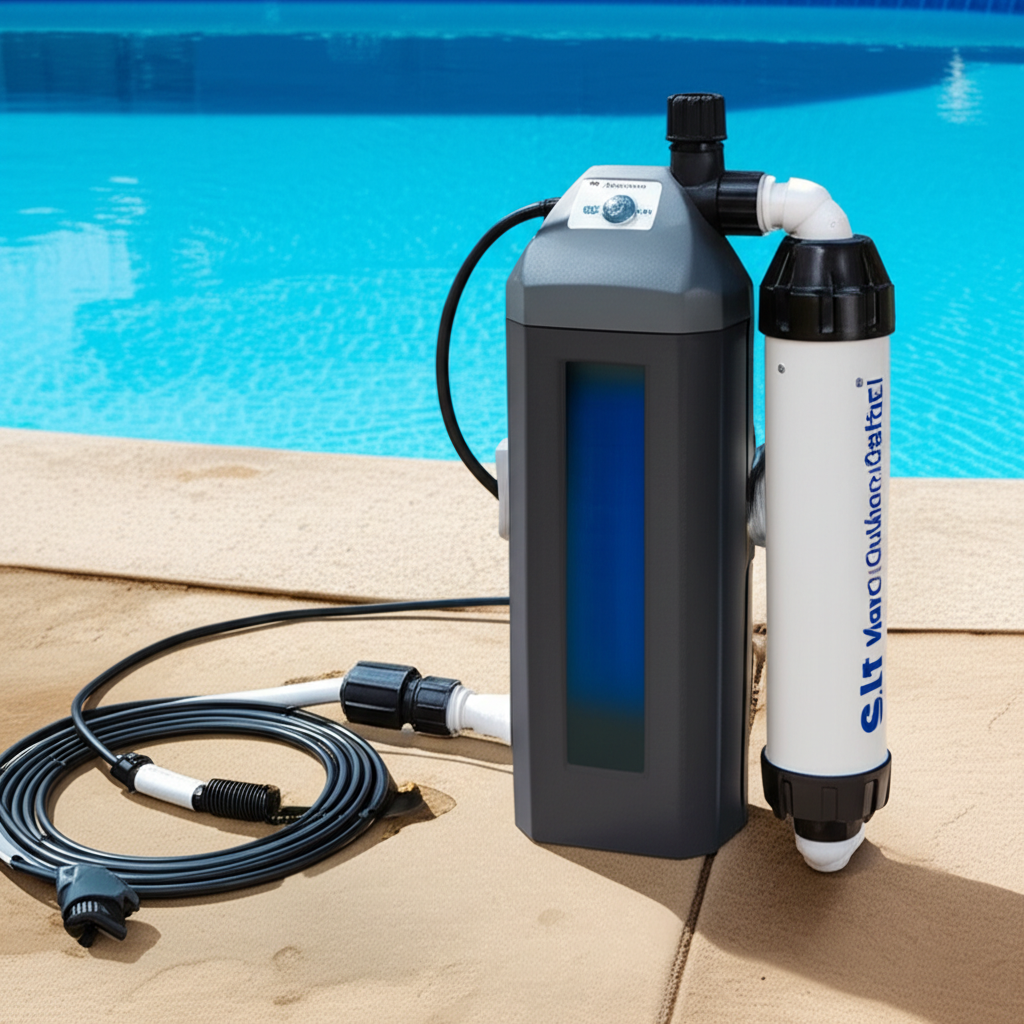
To fully appreciate the efficiency of your pool’s salt system, it’s helpful to understand its main components:
1. The Salt Cell: This is the heart of the system. Inside the salt cell are a series of titanium plates coated with precious metals, across which an electrical current passes. It’s where the magic of electrolysis happens, converting salt into chlorine. The size and capacity of the salt cell are crucial, as they determine how much chlorine it can produce.
2. The Control Panel/Power Supply: This unit connects to your pool’s filtration system and controls the salt cell. It allows you to adjust chlorine output levels, monitor salt levels, and often displays important information like water temperature and cell status.
3. Pool Salt: Not just any salt, specific pure, evaporated, or solar salt (sodium chloride) is used. It should be at least 99.8% pure, non-iodized, and free of anti-caking additives.
Maintaining Your Salt Water Chlorinator for Lasting Performance
While salt water chlorinators simplify maintenance, they aren’t entirely maintenance-free. Regular checks ensure optimal performance and longevity:
Maintain Proper Salt Levels: The most crucial aspect of operating a salt system is ensuring the salt concentration in your pool water is within the manufacturer’s recommended range. Too low, and the cell won’t produce enough chlorine; too high, and it can be hard on equipment. Test regularly and add salt as needed.
Clean the Salt Cell: Over time, calcium and other minerals can build up on the plates of the salt cell, reducing its efficiency. Most chlorinators have a “self-cleaning” mode (reverse polarity), but manual cleaning with a dilute acid solution is periodically necessary. Check your owner’s manual for specific instructions and frequency.
Balance Water Chemistry: While the chlorinator handles sanitation, you still need to monitor and balance other crucial water parameters. pH, alkalinity, and calcium hardness are particularly important. High pH can cause calcium scaling on the cell, and high calcium hardness exacerbates this problem.
* Inspect and Winterize: Regularly visually inspect your salt cell and connections for wear or damage. If you live in a colder climate, remember to properly shut down and remove your salt cell during winterization to prevent freeze damage.
Is a Salt Water Chlorinator Right for Your Pool?
For most pool owners, the benefits of a salt water chlorinator far outweigh any considerations. The initial cost of installation is typically offset by long-term savings on chemicals and the immense convenience it offers. While corrosion on certain metal components (like heaters or ladders) can be a concern with poorly maintained pH or excessive salt levels, modern systems and proper water chemistry management effectively mitigate these risks.
Ultimately, a Salt Water Chlorinator represents the pinnacle of modern pool care. It transforms the often-tedious task of pool maintenance into a nearly effortless operation, delivering consistently clean, comfortable, and healthy swimming water. If you’re seeking to elevate your pool experience and simplify your life, a salt water chlorination system is undoubtedly worthy of strong consideration.