- What is a UV Pool Sanitizer and How Does it Work?
- Why UV Pool Sanitizers Are Becoming a Must-Have
- Reduced Chemical Dependency
- Superior Disinfection
- Improved Pool Environment and Swimmer Comfort
- Eco-Friendly Choice
- Ease of Maintenance
- The Science Behind Ultraviolet Sanitizer Effectiveness
- Integrating a UV System into Your Existing Pool
- Maintenance and Longevity of Your UV System
UV Pool Sanitizers are rapidly becoming a cornerstone for homeowners seeking a healthier, more environmentally friendly, and ultimately more enjoyable swimming experience. Gone are the days when heavy chlorine use was the only perceived path to sparkling clean pool water. Modern technology, specifically the power of ultraviolet light, has revolutionized pool sanitation, offering a potent, chemical-reducing solution that elevates water quality and comfort to unprecedented levels. Embracing this innovation means stepping into a world of fewer irritants, enhanced protection against resistant pathogens, and remarkably clear water.
What is a UV Pool Sanitizer and How Does it Work?
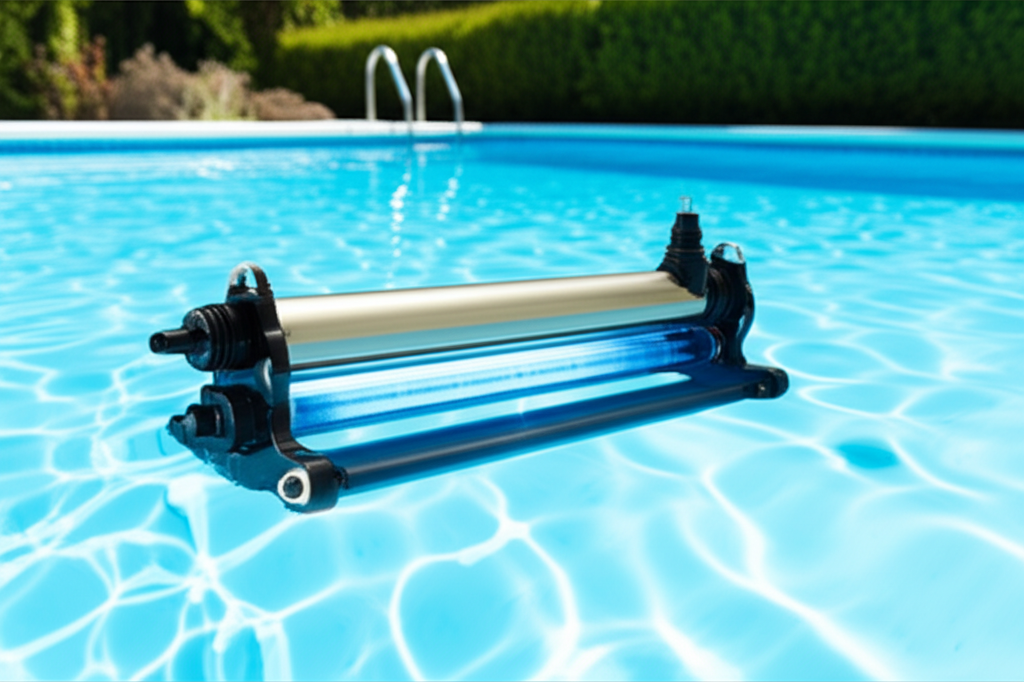
At its core, a UV System for pools harnesses the germicidal power of ultraviolet-C (UV-C) light. This specific wavelength of UV light is incredibly effective at inactivating microorganisms by disrupting their DNA. Within a specialized chamber, pool water flows past a powerful UV-C lamp. As the water is exposed, bacteria, viruses, algae, and even chlorine-resistant parasites like Cryptosporidium and Giardia have their genetic material scrambled, rendering them unable to reproduce or cause illness. It’s a physical purification process, working instantaneously without adding any chemicals to your water.
Unlike traditional chemical sanitizers that oxidize contaminants, a UV Pool Sanitizer specifically targets and neutralizes pathogens. This process occurs within the closed system of the UV unit, ensuring that the sanitized water returning to your pool is free of these microscopic threats. It acts as a powerful secondary sanitizer, vastly improving the overall effectiveness of your primary sanitizer (like chlorine or bromine) and allowing you to significantly reduce its usage.
Why UV Pool Sanitizers Are Becoming a Must-Have
The benefits of incorporating a UV Pool Sanitizer into your pool’s circulation system are numerous and substantial, addressing many of the common drawbacks associated with conventional pool care.
Reduced Chemical Dependency
One of the most compelling advantages is the ability to drastically cut down on your pool’s chemical demand. By doing the heavy lifting of pathogen inactivation, the UV System allows you to maintain lower, yet still effective, levels of chlorine or bromine. This not only saves money on chemicals but also minimizes exposure to harsh substances for swimmers and the environment. Many users report being able to reduce their chlorine usage by 50-80%.
Superior Disinfection
While chlorine is effective, it struggles against certain hardy pathogens like Cryptosporidium (Crypto) and Giardia. These microscopic parasites are resistant to standard chlorine levels and are a common cause of recreational water illnesses. An Ultraviolet Sanitizer, however, is highly effective at inactivating these chlorine-resistant microorganisms, providing an unparalleled layer of protection for you and your family.
Improved Pool Environment and Swimmer Comfort
Fewer chemicals in the water translate directly to a more pleasant swimming experience. The harsh chemical odors, red eyes, itchy skin, and faded swimwear often associated with chlorinated pools are largely (if not entirely) due to chloramines – irritating byproducts formed when chlorine reacts with organic contaminants. By neutralizing these contaminants before they can react with chlorine, a UV Pool Sanitizer dramatically reduces chloramine formation, leading to softer water, virtually no chemical smell, and greater comfort for swimmers, especially those with sensitive skin or respiratory issues.
Eco-Friendly Choice
Reducing the amount of chemicals discharged into the environment, whether through backwashing or evaporation, makes an Ultraviolet Sanitizer a more sustainable and environmentally conscious choice. It lessens your pool’s ecological footprint by minimizing reliance on manufactured chemicals.
Ease of Maintenance
Once installed, the ongoing maintenance for a UV System is relatively simple. The main task is typically replacing the UV lamp annually or every two years, depending on usage and manufacturer recommendations, and occasionally cleaning the quartz sleeve that protects the lamp. This is a small trade-off for the significant benefits reaped.
The Science Behind Ultraviolet Sanitizer Effectiveness
The effectiveness of an Ultraviolet Sanitizer lies in its ability to generate UV-C light within a very specific wavelength range (200-280 nanometers). This particular range is known as the germicidal spectrum because it is readily absorbed by the DNA and RNA of microorganisms. When these light waves penetrate the cells of bacteria, viruses, and other pathogens, they create photochemical damage to their genetic material. This damage inhibits the organisms’ ability to replicate, effectively rendering them inactive and harmless.
This process is continuous and doesn’t rely on chemical reactions, making it highly reliable and consistent. Unlike chlorine, which can dissipate or become less effective with varying pH levels or temperature, UV-C light’s germicidal power remains constant as long as the lamp is functioning. For maximum efficacy, the flow rate of the pool water through the UV System is carefully calibrated to ensure sufficient exposure time to the UV-C light.
Integrating a UV System into Your Existing Pool
Installing an Ultraviolet Sanitizer is generally straightforward for most professional pool technicians and can often be a manageable DIY project for handy homeowners. The unit is plumbed directly into your pool’s return line, after the filter and heater, but before any chemical feeders. This ensures that the water is already clean and ready for UV treatment, but that a minimal residual sanitizer can still be added to the circulating water.
Most units are compact and designed to be compatible with various pool sizes and types, from small above-ground pools to large residential or commercial installations. Proper electrical connection is necessary, and it’s always advisable to consult with a qualified electrician or pool professional to ensure correct and safe installation.
Maintenance and Longevity of Your UV System
While a UV Pool Sanitizer substantially reduces the need for chemical adjustments, it does require periodic maintenance to ensure optimal performance. The primary maintenance task is replacing the UV-C lamp. Over time, the intensity of the UV-C light diminishes, even if the lamp still appears to be lit. Therefore, it’s crucial to replace the lamp according to the manufacturer’s recommendations, typically every 9,000 to 13,000 operational hours (equivalent to approximately one to two swimming seasons).
Additionally, the quartz sleeve that encases the lamp should be periodically inspected and cleaned. Mineral deposits or debris can accumulate on the sleeve, reducing the transparency and thus the effectiveness of the UV light. A simple cleaning with a mild acid solution usually restores its clarity. Users should also remember that while UV dramatically reduces the need for traditional sanitizers, it doesn’t eliminate it entirely. A small residual of chlorine or bromine is still often recommended or required to handle contaminants introduced after the water has passed the UV System and to prevent algae growth on pool surfaces.
In conclusion, investing in a UV Pool Sanitizer represents a significant upgrade to your pool’s sanitation system. It offers a powerful combination of enhanced disinfection, reduced chemical dependency, environmental responsibility, and a vastly improved swimming experience. For anyone serious about maintaining truly healthy water with minimal effort and irritation, an Ultraviolet Sanitizer is no longer just an option – it’s a smart, essential choice for modern pool ownership.