Variable Speed Pump: The Smart Choice for Sustainable Efficiency
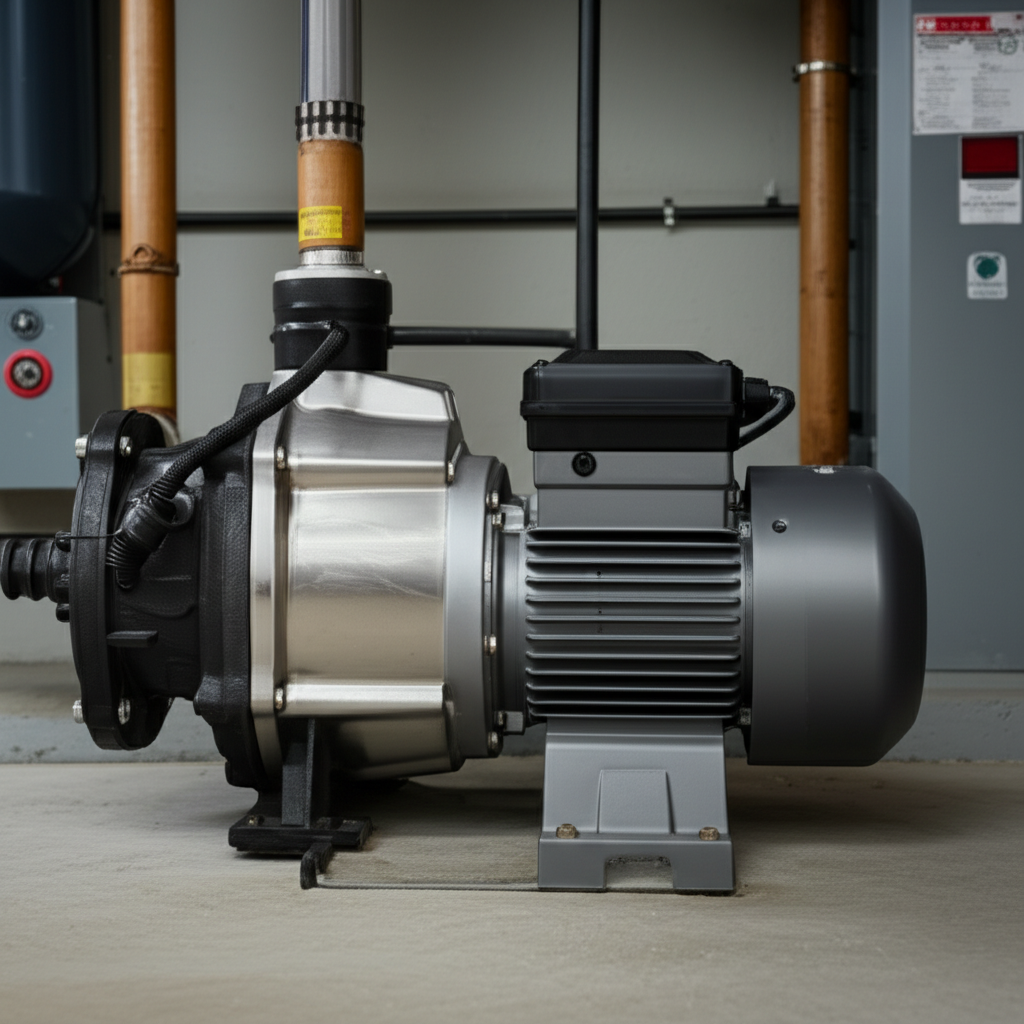
A variable speed pump represents a revolutionary leap in fluid handling technology, offering unparalleled efficiency and significant operational advantages over traditional single-speed models. In an era where energy costs are escalating and environmental consciousness is paramount, understanding and adopting this technology is not just savvy—it’s essential. These advanced pumps adjust their motor speed precisely to match the system’s current demand, drastically reducing energy consumption and delivering a host of other benefits.
The Inefficiency of Traditional Pumps
To truly appreciate the power of a variable speed pump, it’s crucial to understand the limitations of its predecessors. Conventional single-speed pumps operate at a constant, maximum flow rate, regardless of whether that full capacity is needed. Imagine driving your car everywhere with the accelerator pushed to the floor, even when cruising or in light traffic. This “all or nothing” approach leads to considerable wasted energy, especially in applications where demand fluctuates throughout the day or season.
Many systems are designed for peak demand scenarios, meaning that for most of their operational life, a single-speed pump is oversized. It cycles on and off, or operates continuously at a higher power than necessary, often controlled by throttling valves which further restrict flow and waste additional energy by creating unnecessary pressure drops. This constant, high-power operation translates directly into inflated utility bills and increased wear on components.
How a Variable Speed Pump Works Its Magic
At the heart of a variable speed pump lies a sophisticated sensor and control system paired with a Variable Frequency Drive (VFD). The VFD constantly monitors system parameters—such as pressure, flow rate, or temperature—and adjusts the electrical frequency supplied to the motor. By altering the frequency, the VFD precisely controls the motor’s rotational speed.
The real magic, and the epic energy savings, come from the “pump affinity laws.” These laws dictate that:
Reducing a pump’s speed by half reduces the flow rate by half.
Reducing the speed by half reduces the head (pressure) by a factor of four.
Crucially, reducing the speed by half reduces the power consumption by a factor of eight.
This exponential relationship means that even a small reduction in pump speed can lead to a dramatic decrease in energy usage. Instead of running at full throttle all the time, a variable speed pump only uses the power necessary for the task at hand, making it incredibly efficient across a wide range of operating conditions.
Unlocking Major Energy Savings with a Variable Speed Pump
The primary driver for adopting this technology is undoubtedly the potential for substantial energy savings. For applications like swimming pools, HVAC systems, or industrial processes where demand is rarely constant, variable speed pumps can often reduce electricity consumption by 50% to 80% compared to their single-speed counterparts. This translates into significant cost reductions over the pump’s lifespan, often providing a very rapid return on investment.
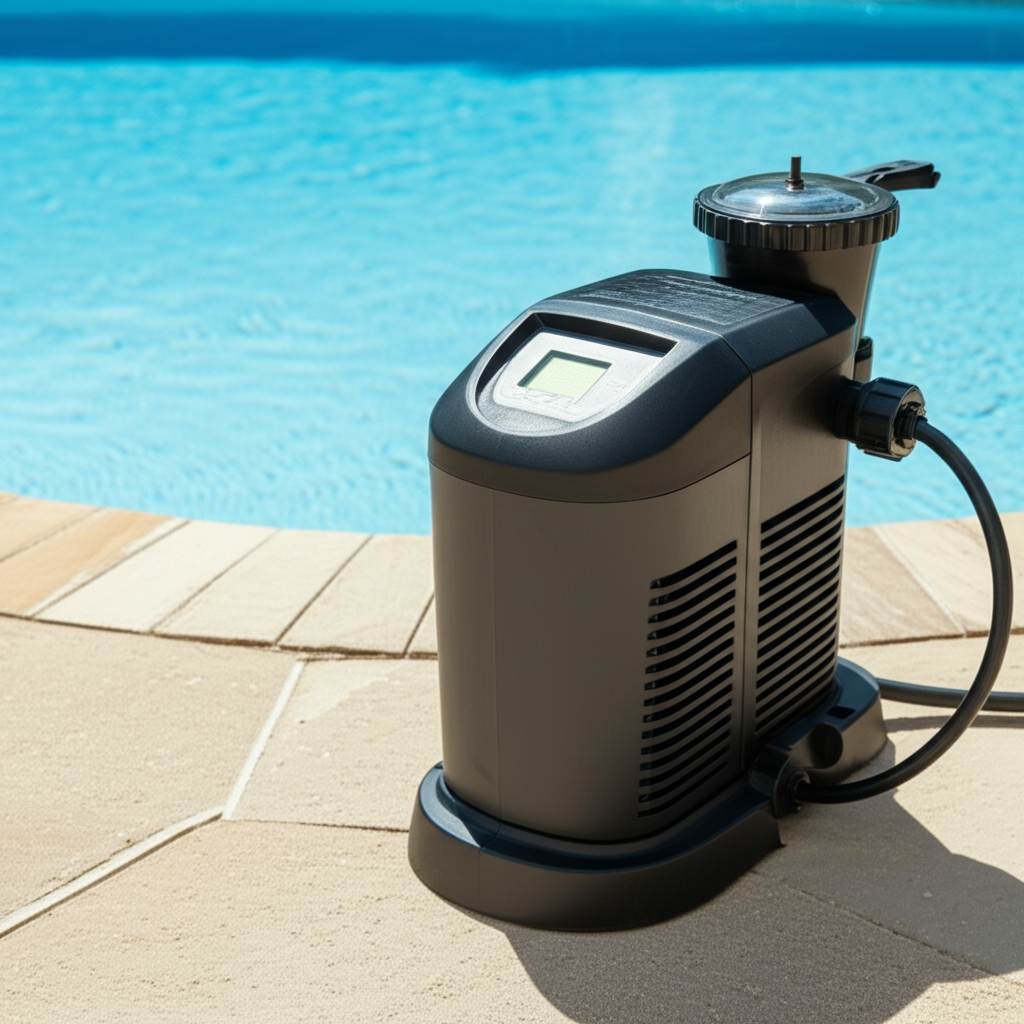
Consider a residential swimming pool, a classic example. A traditional pump might run for 8-12 hours a day at full power. A variable speed pool pump, however, can run for longer periods at lower speeds, achieving the same filtration and circulation with a fraction of the power input. The lower speed is sufficient for daily filtration, while higher speeds can be engaged briefly for backwashing or active swimming. This nuanced control leads to dramatic reductions in monthly electricity bills.
Beyond Energy: Additional Benefits of Variable Speed Technology
While energy savings are the headline benefit, variable speed pumps offer a suite of other advantages that contribute to overall system efficiency and longevity:
Extended Equipment Life: By operating at lower, more consistent speeds, the motors and other pump components experience less wear and tear. This reduces the frequency of maintenance and costly replacements, extending the pump’s lifespan.
Quieter Operation: Lower motor speeds often mean significantly reduced noise levels, a welcome benefit in residential, commercial, and even some industrial settings.
Improved System Control and Comfort: Precise control over flow and pressure leads to more stable system operation, preventing pressure surges and drops. In HVAC systems, this means more consistent temperatures and better indoor comfort. In water delivery, it means more reliable pressure.
Reduced Carbon Footprint: Lower energy consumption directly translates to a reduced demand for electricity, often generated from fossil fuels, thereby significantly lowering your operation’s carbon emissions.
Reduced Water Usage (in some applications): By providing precise control, variable speed pumps can help prevent overflows or excessive water distribution in specific industrial or irrigation applications.
Where Variable Speed Pumps Shine Brightest
The versatility of variable speed technology makes it suitable for a diverse array of applications:
Pool and Spa Systems: The most common residential application, where the ability to run longer at lower, quieter, and more efficient speeds is a game-changer.
HVAC Systems: Chilled water and hot water circulation pumps benefit immensely from matching flow rates to cooling or heating demands.
Water and Wastewater Treatment: Optimizing flow for filtration, pumping, and transfer processes.
Industrial Manufacturing: Processes requiring precise flow control for chemicals, coolants, or lubrication.
Agricultural Irrigation: Delivering precise amounts of water where and when needed, saving both energy and water.
Commercial Building Management: Maintaining pressure in domestic water booster systems.
Is a Variable Speed Pump Right for You?
Given the compelling benefits, a variable speed pump is increasingly becoming the standard for new installations and a highly recommended upgrade for existing systems. While the initial investment might be slightly higher than a traditional pump, the rapid payback period from the drastic energy savings, combined with extended equipment life and improved system performance, makes it an intelligent and sustainable choice. For anyone serious about cutting operational costs, reducing environmental impact, and enhancing system reliability, embracing variable speed pump technology is undoubtedly the way forward.