- The Effortless Charm of Vinyl Liner Pools
- Why Vinyl Liners Are Synonymous with Easy Maintenance
- Essential Vinyl Liner Pool Maintenance Practices
- Beyond the Basics: Advanced Tips for Your Vinyl Liner
- The Long-Term Advantages of Simplified Vinyl Liner Care
The Effortless Charm of Vinyl Liner Pools
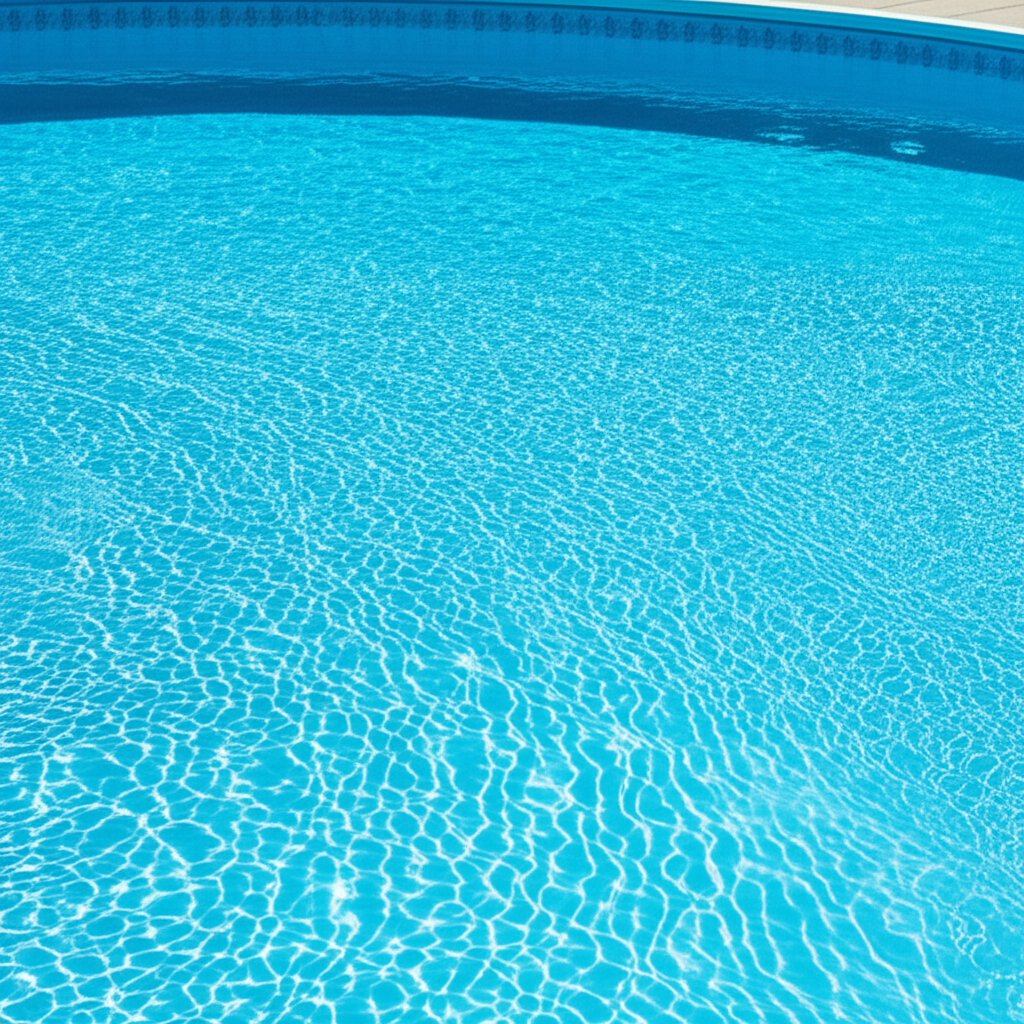
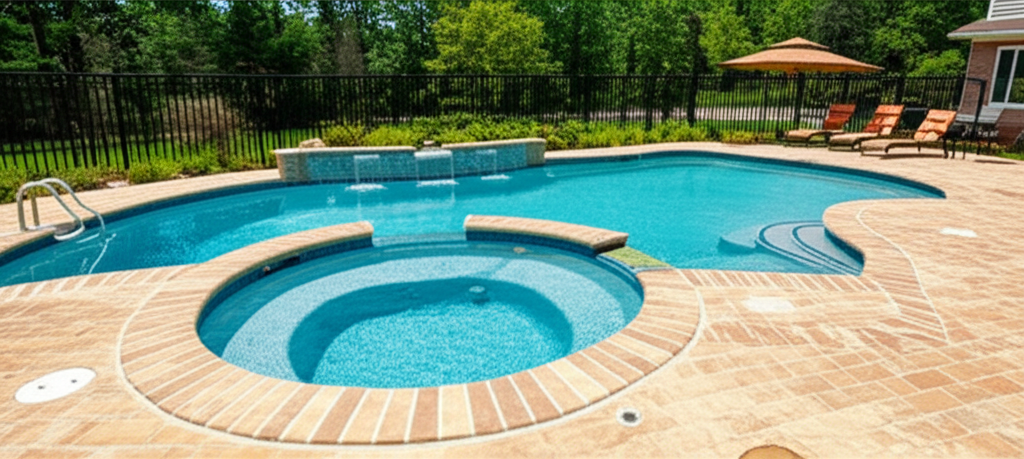
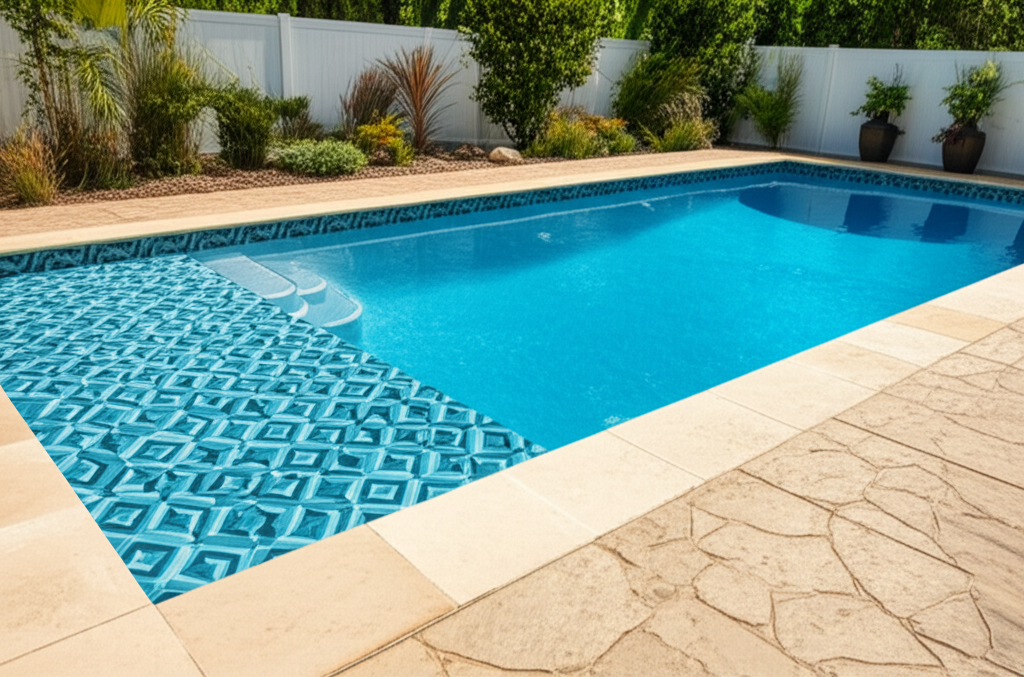
Vinyl Liner pools have long been celebrated for their appealing aesthetics and comfortable swimming experience, but perhaps their most underrated benefit is the remarkably low-stress maintenance they require. For pool owners seeking an elegant swimming solution without the constant upkeep often associated with other pool types, a vinyl liner offers an ultimate pathway to effortless pool enjoyment. Its unique characteristics inherently simplify many aspects of pool care, allowing you to spend more time swimming and less time scrubbing.
Why Vinyl Liners Are Synonymous with Easy Maintenance
The very nature of a vinyl liner contributes significantly to its reputation for simplicity. Unlike porous surfaces found in concrete or gunite pools, vinyl liners present a smooth, non-porous surface. This crucial difference means algae and mineral deposits struggle to take hold, greatly reducing the frequency and intensity of scrubbing needed. The liner material naturally resists the adherence of contaminants, making routine cleaning far more effective and less time-consuming. Furthermore, the inherent flexibility of vinyl means it’s less prone to the cracks and structural issues that can plague other pool types, eliminating complex repair work down the line.
Essential Vinyl Liner Pool Maintenance Practices
While a vinyl liner simplifies maintenance, some fundamental practices remain essential to ensure its longevity and pristine appearance. These are typically straightforward and can be incorporated into a routine without much fuss.
1. Regular Brushing and Vacuuming: Even with a non-porous surface, microscopic debris and fine particles can settle. A quick weekly brush-down of the walls and floor, followed by vacuuming, will dislodge any potential buildup and keep your liner sparkling. Choose brushes specifically designed for vinyl liners to prevent damage.
2. Water Chemistry Management: This is perhaps the most critical aspect of any pool maintenance, and vinyl liners are no exception. Maintaining balanced pH, alkalinity, and sanitizer levels is vital. Incorrect chemical levels can prematurely age the liner, leading to fading, brittleness, or wrinkles. Test your water two to three times per week and adjust chemicals as needed. The good news is that vinyl liners are less prone to plaster-etching issues from slightly imbalanced water compared to concrete pools, offering a slight leniency.
3. Skimming and Debris Removal: Regularly remove leaves, insects, and other floating debris from the pool surface using a skimmer net. This prevents organic matter from sinking and potentially staining the liner or clogging your filtration system.
4. Inspecting the Liner: Periodically walk around your pool and inspect the liner for any signs of wear, tear, or wrinkling. Addressing small issues like a minor wrinkle or a tiny tear quickly can prevent them from escalating into bigger, more costly problems. Vinyl patch kits are readily available and make minor repairs simple.
5. Correct Winterization: If you live in a climate that requires pool closing, follow proper winterization procedures appropriate for vinyl liner pools. This typically involves lowering the water level, adding winterizing chemicals, and correctly covering the pool, all of which protect the liner from harsh winter conditions and prolonged exposure to ice.
Beyond the Basics: Advanced Tips for Your Vinyl Liner
To further enhance the effortless maintenance of your vinyl liner, consider these additional tips:
Use Vinyl-Specific Cleaning Products: When spot-cleaning or dealing with stubborn marks, always opt for cleaning agents explicitly labeled safe for vinyl liners. Harsh, abrasive cleaners can damage the material or cause discoloration.
Prevent Sharp Objects: Educate swimmers about avoiding sharp toys or objects in the pool that could puncture or tear the liner. Keep pets with sharp claws out of the pool itself.
Professional Inspections: While DIY maintenance is largely sufficient, consider a professional inspection every few years. An expert can spot subtle issues, like potential leaks in fittings or areas of wear that might be missed by an untrained eye.
Proper Cover Usage: A good quality pool cover can significantly reduce the amount of debris entering your pool, minimizing cleaning time. It also helps with chemical retention and can extend the life of your liner by protecting it from UV degradation.
The Long-Term Advantages of Simplified Vinyl Liner Care
Choosing a vinyl liner pool not only offers immediate benefits in terms of reduced cleaning effort but also provides long-term financial and peace-of-mind advantages. The relatively lower cost of liner replacement compared to comprehensive resurfacing of other pool types is a significant draw. With proper, yet simple, maintenance, a quality vinyl liner can last 10-15 years, or even longer, maintaining its vibrant colors and smooth texture.
Ultimately, the goal of pool ownership is enjoyment, relaxation, and creating lasting memories. The “Ultimate Effortless Maintenance” promised by a vinyl liner pool delivers precisely that. By embracing its inherent low-maintenance qualities and adhering to a few simple weekly tasks, you ensure a beautiful, inviting swimming environment that demands minimal effort and offers maximum pleasure.